Tiger Eye Bracelet Benefits: Wholesale Guide to Meaning, Wear Rules, Authenticity, and Pricing
Written by: Rocrystal Team, Last Update Time: December 28, 2025
Start with what buyers mean by “benefits”
What a Tiger Eye Stone Bracelet is (quick buyer-friendly definition)
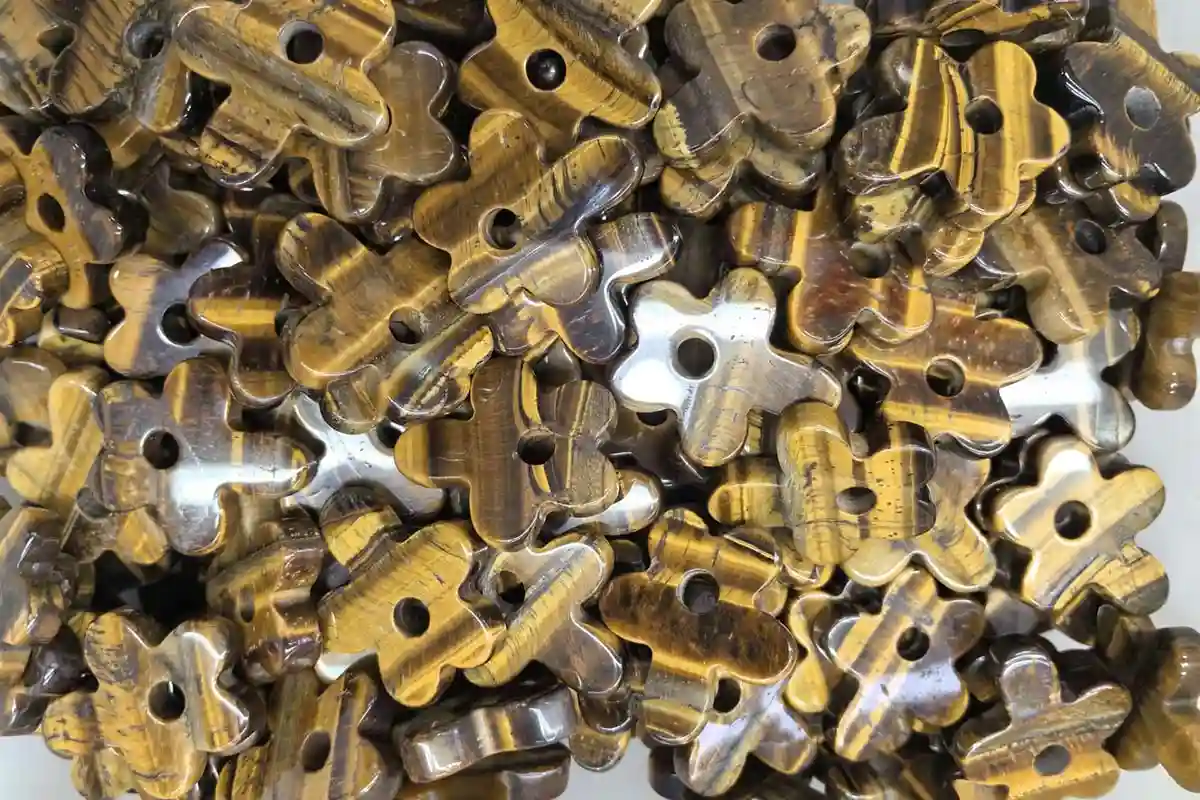
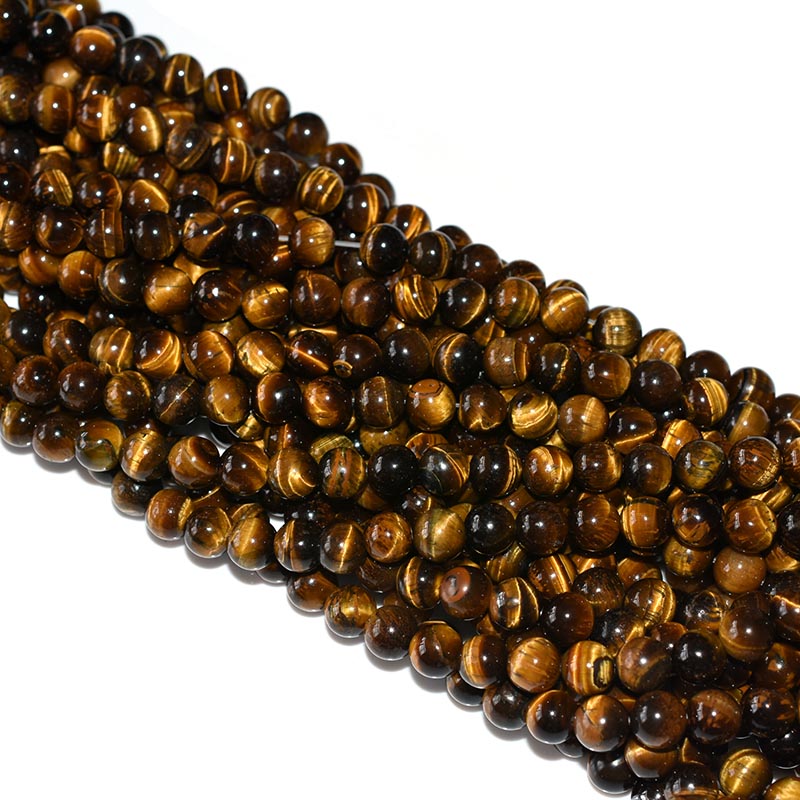
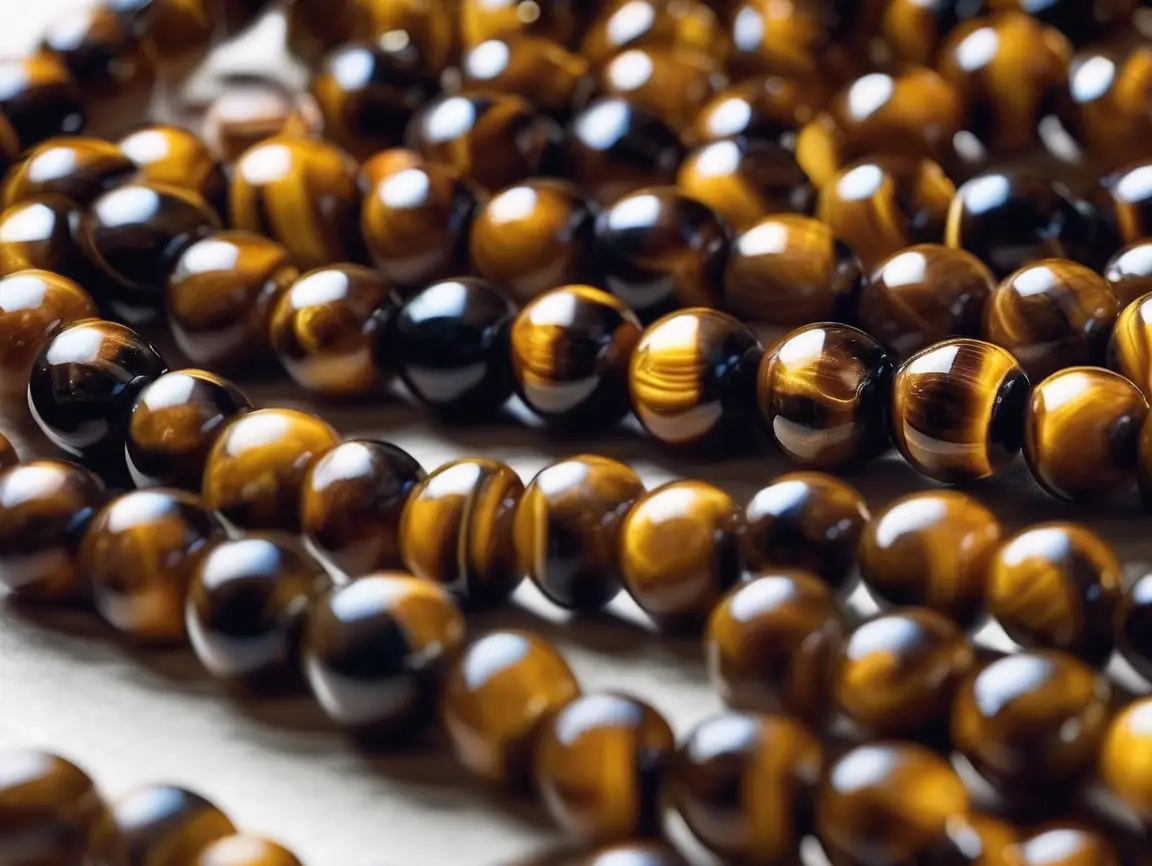
A Tiger Eye Stone Bracelet is typically a strand of polished tiger’s eye beads—golden to brown quartz with a signature “cat’s eye” shimmer (chatoyancy) that moves as you turn the wrist. Most retail bestsellers use 6–12 mm round beads on durable elastic, sometimes mixed with onyx, hematite, or a leather strap for a more rugged men’s look. For wholesalers, consistency in banding and shine is key when marketing Tiger Eye Bracelet Benefits. “Gemologically, tiger’s-eye is a chatoyant variety of quartz, and its signature ‘cat’s-eye’ band comes from aligned fibrous structures within the stone.”
What “benefits” can realistically mean (no medical claims)
When shoppers search Tiger Eye Bracelet Benefits, they’re usually looking for a mix of style value and symbolic meaning—things they can feel in daily life, like confidence before a meeting, staying focused during a busy week, or using the bracelet as a reminder to act with courage. These are personal experiences, not medical outcomes, so it’s best to avoid claims about curing pain, anxiety, or other health conditions. In product copy, frame tiger’s eye as a wearable intention piece: visually bold, easy to match, and culturally associated with protection and determination.
Why Tiger Eye keeps selling (what customers actually like)
From a wholesale perspective, Tiger Eye Bracelet Benefits translate into clear merchandising wins: the stone is instantly recognizable, photographs well, and works across men’s and women’s collections without changing the core story. Customers also love that it looks premium even at entry-level price points, especially when the chatoyancy is strong and the golden bands are clean. It’s a reliable “first crystal bracelet” purchase and an easy gift item, which drives repeat orders. If you stock a few bead sizes and consistent grades, you can build bundles, seasonal promos, and best-seller racks around tiger’s eye year-round.
Core benefits customers use for everyday decisions
Confidence & decision-making (work, interviews, sales)
In real buying behavior, Tiger Eye Bracelet Benefits are often framed as “confidence you can wear”—especially for interviews, sales calls, negotiations, and public-facing roles. Customers like having a simple ritual: put it on before a big meeting, then treat it as a cue to speak clearly, stay calm, and commit to decisions. For wholesale listings, this works best when you tie the bracelet to specific moments (job search, new business, promotion season) rather than vague promises.
Focus & productivity (students, office, entrepreneurs)
Many shoppers describe Tiger Eye Bracelet Benefits as a “focus helper” for study sessions, deep work, and staying on track with goals. The stone’s high-contrast bands and moving shine make it visually grounding, which pairs well with simple routines—wear it during planning, time-blocking, or while working through a tough task. For wholesale buyers, this angle sells well in back-to-school periods and Q1 “new goals” campaigns, especially when you offer clean, uniform bead strands in 6–10 mm sizes.
Grounded style + symbolism (giftable, easy to match)
One reason Tiger Eye Bracelet Benefits convert well is that the product looks “meaningful” even before a customer reads the description. The warm gold-brown tones match neutrals, denim, leather, and darker outfits, so it’s easy to wear daily without thinking. As a gift, tiger’s eye is often chosen to symbolize courage, protection, and steady progress—messages that fit birthdays, graduations, and career milestones. For your independent wholesale site, highlight this as a versatile accessory first, then offer the symbolism as optional storytelling customers can connect with.
Practical uses shoppers ask about (home, work, daily wear)
In daily routines, Tiger Eye Bracelet Benefits are usually explained through simple “where and when” use cases: wearing it at work as a reminder to stay decisive, keeping it on during commuting or travel for a steady, grounded feel, or placing it on a desk when not worn to reinforce the same intention during calls and planning. For retailers, this practical framing reduces skepticism because it focuses on habits, not hype. In merchandising, pair tiger’s eye with workwear accessories and gift sets for easy upsells.
CTA: get listing-ready copy + photos for your store
If you want product-page text that matches your audience and highlights Tiger Eye Bracelet Benefits without risky health claims, message us on WhatsApp and tell us your target customer (men’s, women’s, or unisex), bead size, and preferred style (elastic, leather, or mixed-stone). We can share recent batch photos/videos so you can see the banding and chatoyancy before you order. For a faster quote, use our inquiry form with your quantity, destination country, and packaging needs—then we’ll reply with tiered pricing and a suggested best-seller SKU set.
Male vs female intent: what sells and how to merchandise
Tiger Eye bracelet benefits for Male (style angles + bead sizes)
When customers search Tiger Eye bracelet benefits for Male, they usually want a bracelet that looks confident and “clean” rather than flashy—think strong chatoyancy, darker brown bands, and minimal metal accents. For men’s lines, 8–12 mm beads tend to move fastest, especially in elastic styles that feel easy and daily-wear friendly. Retailers also do well with rugged pairings like leather + tiger’s eye, or tiger’s eye mixed with matte onyx/hematite for a masculine, grounded aesthetic and gift appeal.
Tiger Eye bracelet benefits for female (stacking + gifting angles)
For shoppers searching Tiger Eye Bracelet Benefits with a women’s intent, the appeal is often “wearable meaning” plus easy styling—golden-brown tones that stack well with gold jewelry, pearls, or minimalist bangles. If you’re merchandising to boutiques, 4–8 mm bead sizes usually sell best because they look lighter on the wrist and pair nicely in sets of two or three. Position Tiger Eye bracelet benefits for female around confidence, steady progress, and giftable symbolism for graduations, new jobs, and birthdays.
Quick SKU plan (3 bead sizes + 2 materials)
To keep your assortment tight while still covering most demand for Tiger Eye Bracelet Benefits, start with three bead sizes and two base builds. Sizes: 6 mm (light, stackable), 8 mm (unisex bestseller), and 10–12 mm (men’s statement). Builds: (1) full tiger’s eye on elastic for volume sales, and (2) a mixed style (tiger’s eye + matte onyx or hematite) for higher AOV. Add two finishes (silver-tone and gold-tone spacers) and you’ve got a clean, scalable wholesale lineup.
Which hand to wear (high-intent Qs, answered clearly)
Left vs right: the simplest explanation customers accept
A simple way to explain Tiger Eye Bracelet Benefits by wrist is to use the “receiving vs giving” tradition—while making it clear it’s a cultural framework, not a scientific rule. Many shoppers say the left wrist feels more personal and reflective (good for inner focus and self-support), while the right wrist feels more action-oriented (good for confidence in social or work settings). The best answer for retail is practical: choose the wrist that’s comfortable and fits the customer’s routine.
Which hand to wear Tiger Eye bracelet for female (everyday + special occasions)
For shoppers asking Which hand to wear Tiger Eye bracelet for female, the easiest guidance is: start with the left wrist for everyday wear if she wants a more personal, “keep me centered” reminder, and switch to the right wrist on days she wants extra outward confidence (presentations, networking, first dates). This keeps Tiger Eye Bracelet Benefits practical and relatable without sounding mystical. If she stacks bracelets, prioritize comfort—whichever wrist avoids typing friction or snagging is usually the best choice.
Which hand to wear tiger Eye bracelet for Male (work, travel, training)
For men searching Which hand to wear tiger Eye bracelet for Male, a practical approach is to match the wrist to the day’s activity. Many start on the left wrist for routine wear—commuting, desk work, or quiet focus—then move it to the right wrist when they want a more “outward” cue for action, like sales meetings, travel days, or training sessions. This keeps Tiger Eye Bracelet Benefits grounded in habits and comfort, not strict rules.
Color variants that shoppers ask for (gold, red, blue, green)
Classic golden Tiger Eye (evergreen bestseller)
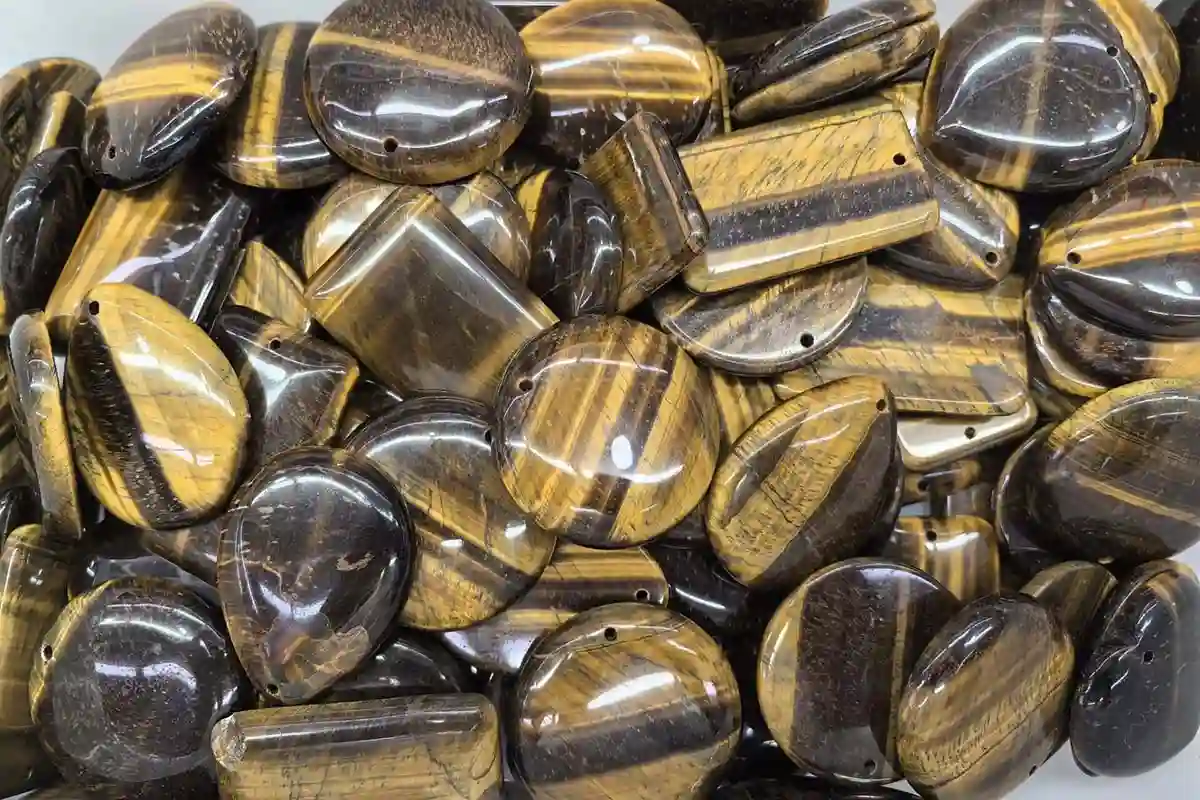
Classic golden tiger’s eye is the safest volume seller because it’s the color most shoppers recognize instantly and it looks premium in photos, even at entry price points. The best strands show a clear moving “cat’s eye” band and warm gold-to-brown transitions without looking muddy. For wholesalers, consistent tone across beads matters more than perfection in one bead, since customers judge the bracelet as a whole. This is where Tiger Eye Bracelet Benefits are easiest to communicate: bold style plus everyday versatility.
Blue Tiger Eye / Hawk’s Eye (how to describe it without overpromising)
Blue tiger’s eye, often marketed as Hawk’s Eye, usually shows cooler blue-gray tones with a softer, more calming look than classic gold. It’s a great add-on SKU for customers who want something subtler or more “modern,” especially in men’s collections. When you position blue tiger eye benefits for this variant, keep it honest: natural pieces tend to look smoky and layered, while extremely bright or neon blues can indicate treatment. Offer clear photos under natural light so buyers know what to expect. “Gemologically, tiger’s-eye is a chatoyant variety of quartz, and its signature ‘cat’s-eye’ band comes from aligned fibrous structures within the stone.”
Red Tiger Eye (statement look + gifting)
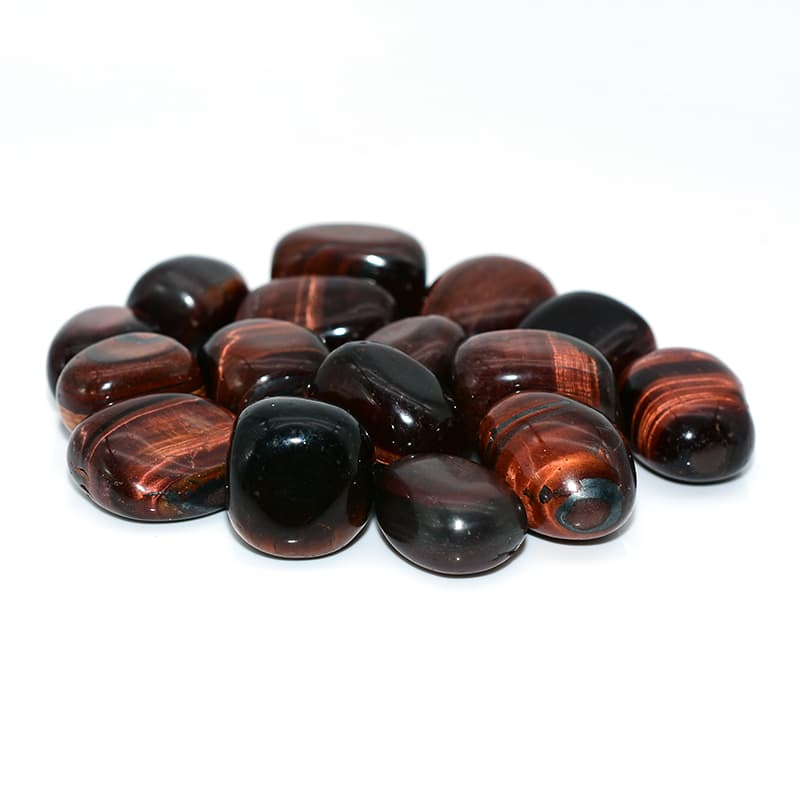
Red tiger’s eye is popular with shoppers who want a stronger statement piece—deeper reddish-brown tones that read bold in winter styling and gift seasons. It’s often chosen for “motivation” or “drive” messaging, but your product copy should stay grounded in symbolism rather than promises. In wholesale assortments, red tiger’s eye works well as a limited-color drop or bundle add-on next to gold and black stones. This keeps red tiger eye stone benefits fresh for repeat customers without expanding your SKU count too far.
Green Tiger Eye bracelet benefits (how to talk about “green” honestly)
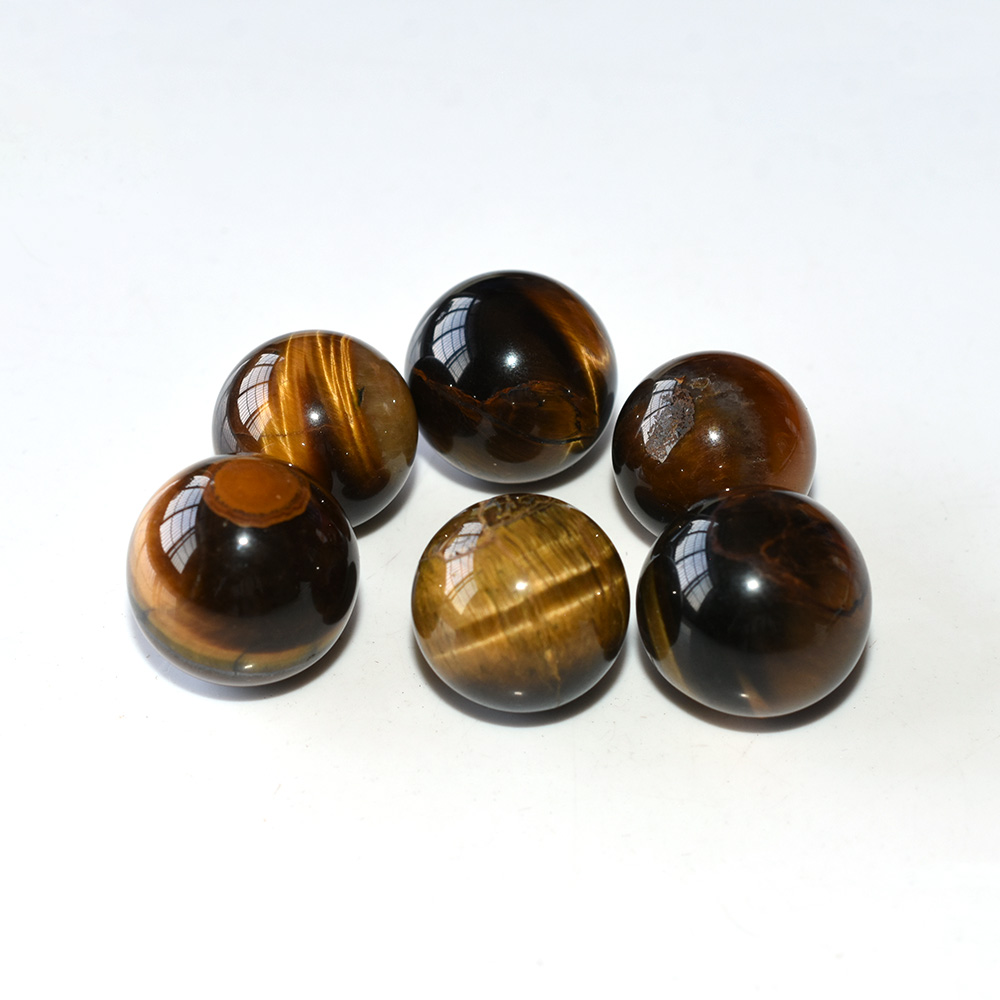
When customers ask about Green Tiger Eye bracelet benefits, they’re usually drawn to the unusual color and want a clear, trustworthy explanation. In the market, “green tiger’s eye” can refer to naturally cooler, blue-gray-to-greenish hawk’s eye tones, but very bright green strands are often color-treated. The safest approach is transparency: show real photos/videos, describe the hue as “green-leaning” or “smoky green,” and position tiger eye stone benefits as style + symbolism, not guaranteed effects.
Who should avoid it + “is it dangerous?” done the right way
Who should not wear Tiger eye stone (practical cautions)
For shoppers asking Who should not wear Tiger eye stone, keep the guidance practical and safety-first. Anyone with sensitive skin should avoid rough beads or nickel-heavy spacers, and choose smooth, well-polished stones with hypoallergenic findings. If a customer works around chemicals, heavy sweat, or frequent water exposure, recommend removing the bracelet to prevent surface dulling and elastic wear. Kids and pets shouldn’t handle loose beads due to choking risk. These common-sense tips support Tiger Eye Bracelet Benefits without making health promises.
Is tiger eye stone dangerous? (dust vs wearing, plus allergy notes)
For the question is tiger eye stone dangerous, the most accurate answer is about context. Finished beads and bracelets are generally safe to wear because the stone is sealed and polished, but cutting, grinding, or drilling any mineral can create dust that shouldn’t be inhaled—so workshop handling requires proper ventilation and masks. The more common “real-world” issue for customers is metal allergy from spacers or clasps, not the tiger’s eye itself. Framing it this way keeps Tiger Eye Bracelet Benefits credible and responsible. “Health authorities note that asbestos risk is primarily linked to inhalation of airborne fibers in occupational settings—so the realistic caution is about cutting/drilling dust, not wearing a polished bracelet.”
Wear & care rules that prevent returns (water, sweat, chemicals, sleep)
To protect the look of a bracelet and reduce returns, tell customers to treat it like everyday jewelry, not a shower accessory. Remove it before swimming, showering, heavy workouts, or applying perfume and lotions, since chemicals and sweat can dull the polish and weaken elastic over time. Sleeping with bead bracelets can also stretch the cord and increase breakage risk. Simple care habits like wiping with a soft cloth after wear help preserve shine and make Tiger Eye Bracelet Benefits feel “premium” for longer.
Cleaning & “charging” in a practical, non-mystical way
For routine cleaning, gently wipe the bracelet with a soft, dry cloth, and use a slightly damp cloth only when needed—then dry it immediately to protect elastic and metal parts. Avoid harsh cleaners, saltwater soaking, or long sun exposure that can fade some finishes and damage cords. If customers like the idea of “charging,” keep it simple: set the bracelet somewhere clean and bright for a short time as a personal reset ritual, not as a guaranteed power-up. This keeps Tiger Eye Bracelet Benefits aligned with lifestyle habits and buyer trust.
Authenticity and wholesale QC (your strongest differentiator)
Tiger eye bracelet original: what real chatoyancy should look like
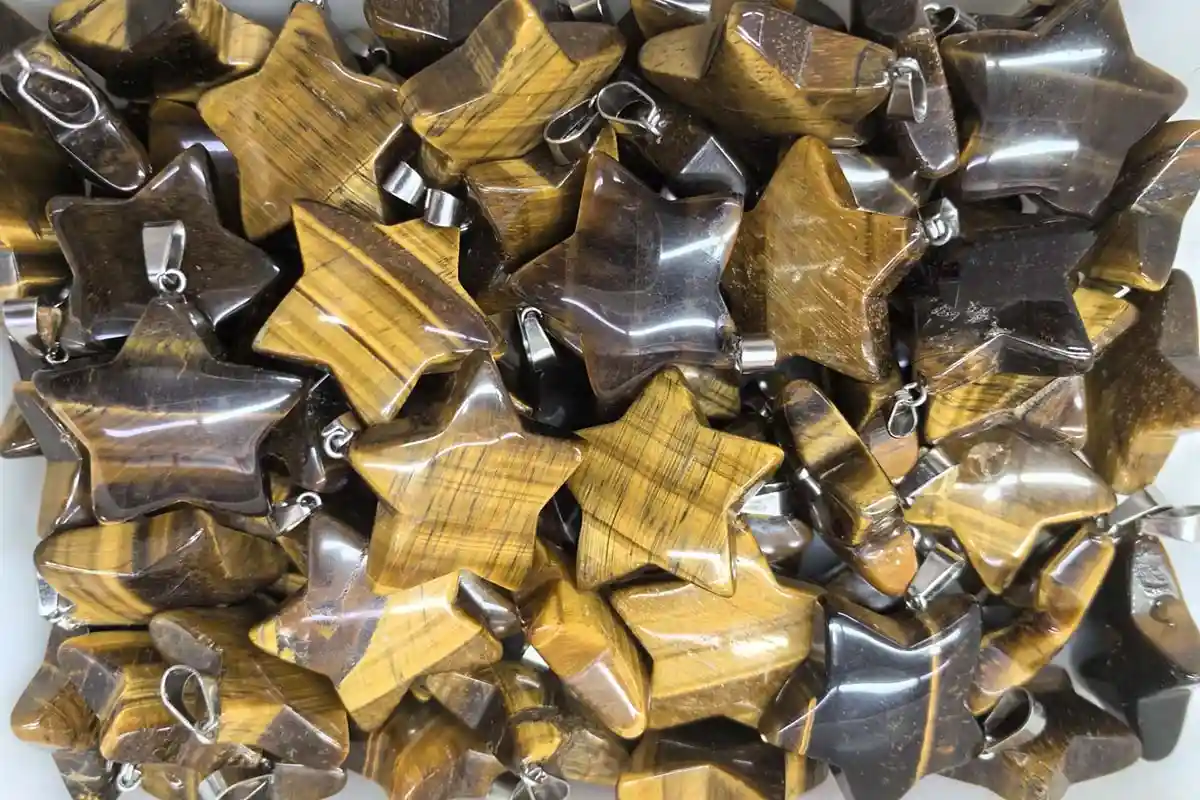
A tiger eye bracelet original should show a clear, moving “cat’s eye” band when you rotate the beads under a single light source—like a flashlight or window light. The shimmer should slide smoothly across each bead, not sit flat like paint. Natural strands usually have slight variation in brown-to-gold banding, but the overall tone should still look consistent as a bracelet. When explaining Tiger Eye Bracelet Benefits, strong chatoyancy and clean polish are the visual proofs customers trust most.
Fast screening for treatments and fakes (without damaging goods)
For quick screening, start with a flashlight test: rotate the strand and confirm each bead shows a natural-looking moving band, not a “printed” shine. Under a 10× loupe, check for dye pooling around drill holes, overly uniform color, and surface coatings that look like a thin film. Genuine stone usually feels cooler and heavier than plastic, and glass often shows different internal reflections than tiger’s eye banding. Avoid scratch tests that damage inventory—buyers judge Tiger Eye Bracelet Benefits visually, so consistency and honest photos matter most.
How we grade beads for wholesale (color banding, cracks, drill holes)
When we source tiger’s eye for wholesale orders, we grade batches the same way a retail customer will judge them on first glance: banding clarity, chatoyancy strength, and how consistent the tone looks across the full strand. We also inspect for cracks that may widen later, uneven polishing that dulls the shine, and drill holes that are off-center or too sharp (a common cause of cord failure). This process protects the perceived Tiger Eye Bracelet Benefits your customers expect—premium look, smooth wear, and fewer complaints.
Elastic vs metal vs leather: what reduces complaints at scale
For wholesale, the “best” build is usually the one that minimizes sizing issues and breakage. Elastic bead bracelets are the easiest to fit across customers, but they need quality cord and smooth drill holes to prevent snapping. Metal chain styles look premium, yet complaints often come from sizing or plating allergies, so specify hypoallergenic materials upfront. Leather adds a rugged men’s feel, but stitching and hardware quality matter. Choosing the right construction supports Tiger Eye Bracelet Benefits by keeping the bracelet comfortable, durable, and gift-ready.
“Nickel is a common cause of allergic contact dermatitis, so nickel-free findings (e.g., surgical-grade stainless steel, titanium) reduce complaints.” “For EU-bound items intended for prolonged skin contact, nickel release compliance is commonly demonstrated under REACH Annex XVII restrictions using CEN standards (e.g., EN 1811).”
CTA: ask for a sample pack + real batch videos
If you’re building a reliable tiger’s eye line and want fewer surprises, contact us on WhatsApp for a small sample pack and recent batch videos that show chatoyancy, color range, and drill quality in real lighting. We can also recommend a best-seller mix based on your audience and target price point while keeping Tiger Eye Bracelet Benefits positioned in a safe, buyer-friendly way. For formal quotes, submit your specs through our inquiry form (bead size, quantity, finish, packaging, destination), and we’ll respond with lead time and tiered pricing.
Pricing and ordering (make it easy to buy wholesale)
Tiger Eye Bracelet price: what drives cost in wholesale (bead size, grade, findings, packaging)
In wholesale, Tiger Eye Bracelet Benefits only convert if the product looks consistent at the price point, so it helps to explain what actually drives the Tiger Eye Bracelet price. The biggest factors are bead size (6mm vs 12mm), chatoyancy strength, color-band clarity, and how many visible cracks or dull beads a strand contains. Hardware also matters—stainless steel vs plated spacers, plus packaging (pouches, cards, gift boxes). Finally, order quantity, QC level, and shipping method all affect your landed cost.
What we need to quote fast (MOQ, sizes, destination, timeline)
To quote quickly and accurately, we rely on the same inputs that prevent misunderstandings after production starts: bead size (and any mixed-stone combo), wrist size range or target fit, spacer material/finish, packaging type, and your destination country for shipping. We also confirm your MOQ, whether you need private labeling (cards, pouches, barcode), and the deadline you’re working toward. Clear specs help us match grade and consistency so Tiger Eye Bracelet Benefits stay aligned with the look your customers expect.
Cross-sell sets that raise AOV (bracelet + necklace + pendant bundles)
If your customers already buy bracelets, a simple way to increase average order value is to offer matching sets: a bracelet plus a short beaded necklace, a dog tag/pendant option, or a gift bundle with a pouch and meaning card. Keep the set tight—same tone family, similar bead size, and consistent metal finish—so it looks intentional on photos. This strategy lets retailers resell Tiger Eye Bracelet Benefits as a “complete look” without adding too many SKUs, and it works especially well for men’s gifting seasons.
CTA: get tiered pricing on WhatsApp + submit specs via inquiry form
If you’re ready to stock a dependable bestseller, reach out on WhatsApp with your preferred bead sizes, target market (men’s, women’s, or unisex), and estimated quantity, and we’ll share tiered options plus current batch photos/videos. To keep the process fast for larger orders, use our inquiry form to submit specs in one place—bead size, finish, packaging, destination, and timeline—so we can quote accurately and keep Tiger Eye Bracelet Benefits consistent with your listing photos and customer expectations.
FAQ
Are Tiger Eye Bracelet Benefits mainly about style, symbolism, or something else?
Most shoppers experience Tiger Eye Bracelet Benefits as a blend of three things: visual style (the “cat’s eye” shine looks premium), symbolism (courage, protection, steady progress), and a simple habit cue (put it on before work or a big decision as a reminder to stay focused). That’s why tiger’s eye sells so consistently in retail—customers can enjoy it even if they’re purely buying for aesthetics. For product pages, keep claims lifestyle-based, not medical.
How can I tell a real tiger’s eye bracelet from dyed beads?
Start with the light test: rotate the bracelet under a single light source and look for a clean “cat’s eye” band that slides across each bead, not a flat painted shine. Then check drill holes—dyed beads may show darker color pooling around the holes or unusually uniform color across the whole strand. A real stone strand usually has natural variation in banding and tone. For wholesale buying, ask for batch videos in daylight and confirm whether any color treatment is used.
Which bead sizes sell best for men vs women in retail?
Most retailers do well with a simple size ladder. For women’s styles, 4–6 mm tends to stack easily and looks lighter on the wrist, especially with gold-tone accents. Unisex bestsellers are often 8 mm because the bracelet feels substantial without being bulky. For men’s collections, 10–12 mm moves well, particularly in darker, high-contrast tiger’s eye or mixed with matte onyx for a rugged look. If you’re buying wholesale, stock 6/8/10 mm first and expand from sales data.
Which hand should I wear it on if I’m gifting it?
If you’re gifting a bracelet and want a simple rule, explain Tiger Eye Bracelet Benefits using the traditional “left = receiving, right = giving” idea—then keep it flexible. Most people start on the left wrist for everyday wear because it feels personal and comfortable, especially for intention-based jewelry. On days the wearer wants a more outward “confidence cue” (events, interviews, networking), they can switch to the right wrist. The best choice is still the wrist that fits their daily routine—typing, watch-wearing, and comfort matter most.
Can I wear tiger’s eye in the shower, gym, or while sleeping?
It’s better to remove bead bracelets for showers, swimming, heavy workouts, and sleep. Water and soap can dull the polish over time, sweat and chemicals (perfume, lotion, cleaning products) can weaken elastic and damage plated spacers, and sleeping can stretch the cord and increase breakage risk. If someone wants to wear it daily, suggest taking it off during these high-wear moments and wiping it with a soft cloth after use. This keeps the bracelet looking premium longer and reduces returns.
What’s the safest way to clean and store tiger’s eye bracelets?
For safe care, wipe the bracelet with a soft, dry cloth after wear, and use a lightly damp cloth only when needed—then dry it immediately. Avoid harsh cleaners, ultrasonic machines, and long soaking, especially if the bracelet uses elastic or plated metal parts. Store it separately in a pouch or lined box so harder stones and metal edges don’t scratch the polish. If you’re a retailer, including a simple care card can cut down on “lost shine” complaints and improve repeat purchases.
Do Tiger Eye Bracelet Benefits change by color (gold/red/blue/green)?
To shoppers, Tiger Eye Bracelet Benefits feel most different by color because the style impression changes. Gold tiger’s eye reads classic and versatile, red looks bolder and more “statement,” and blue (often called hawk’s eye) feels cooler and more modern. “Green” can vary widely—some strands are naturally green-leaning and smoky, while very bright green may be treated—so clear photos matter. The most consistent value across colors is still the visual chatoyancy and the symbolism customers attach to wearing it daily.
Conclusion (short, commercial, buyer-first)
Recap + next step
The smartest way to sell Tiger Eye Bracelet Benefits is to keep the story practical: strong visuals (chatoyancy), clear use cases (confidence, focus, gifting), and buyer-safe language that avoids medical promises. Then back it up with wholesale-ready execution—consistent grading, durable build choices, and transparent photos/videos so retailers know what they’re receiving. If you’d like a recommended best-seller mix for your audience, message us on WhatsApp for current batch options, or send your specs through the inquiry form for a fast quote.
https://www.britannica.com/topic/tigereye
https://www.gia.edu/gia-museum-exhibit-tigers-eye-quartz
https://geology.com/gemstones/chatoyancy/
https://www.who.int/teams/environment-climate-change-and-health/chemical-safety-and-health/health-impacts/chemicals/asbestos
https://www.cdc.gov/niosh/npg/npgd0041.html
https://www.aad.org/public/diseases/eczema/insider/nickel-allergy
https://www.ul.com/news/eu-commission-updates-reference-standard-testing-nickel
https://www.echa.europa.eu/documents/10162/3bbe9024-52a6-8e63-5581-e686331eb459