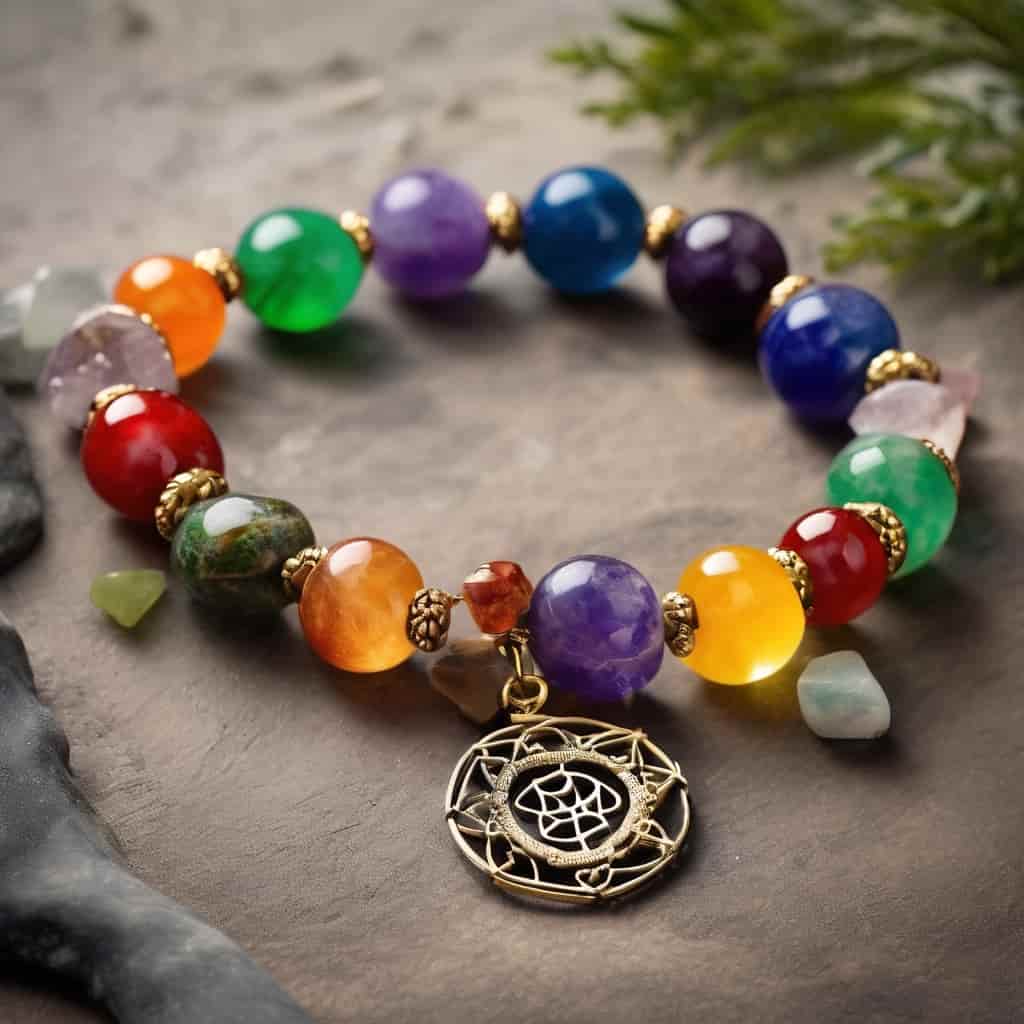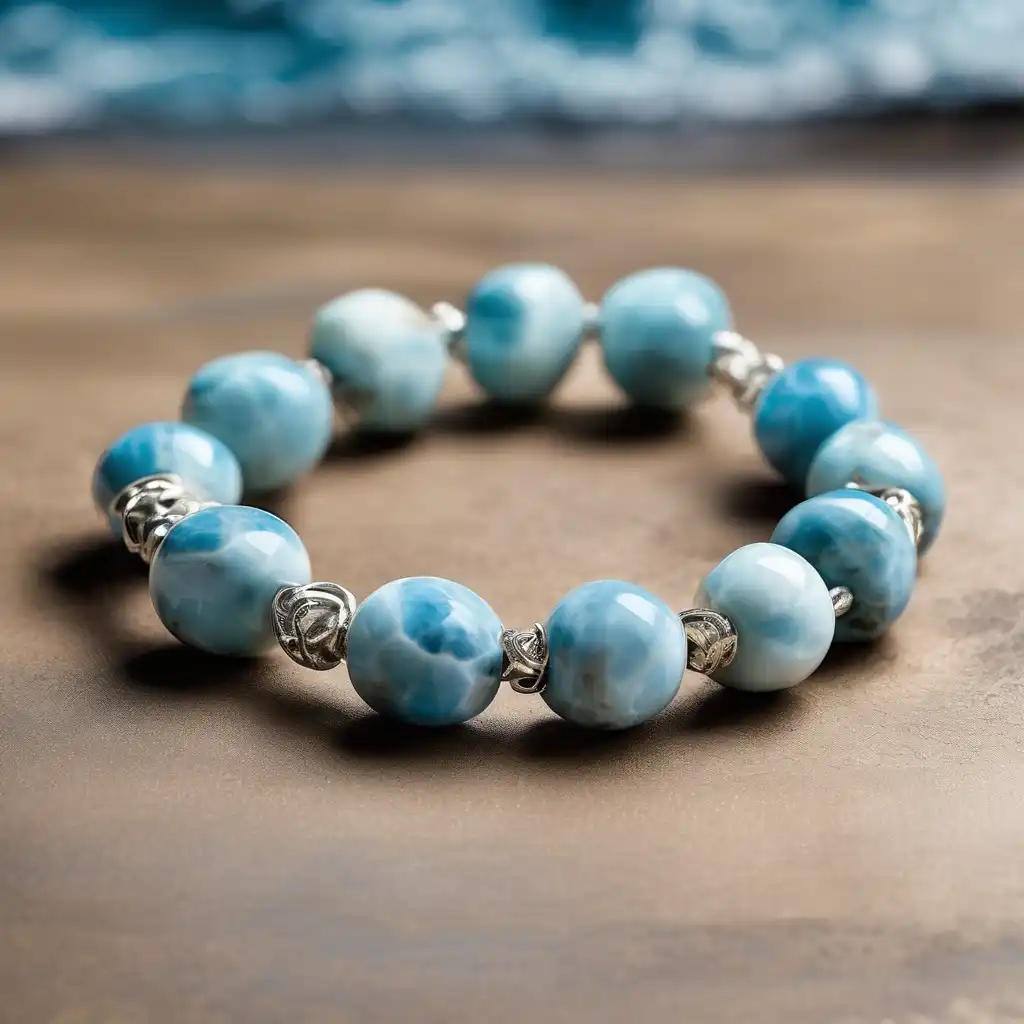
Tiger Eye Stone Meaning: Wholesale Buyer’s Guide to Colors, Benefits, Safe Use & Selling Tips
Written by: Rocrystal Team, Last Update Time: December 27, 2025
Introduction
Tiger Eye Stone Meaning and uses matter most when you’re making wholesale inventory decisions that actually sell. This guide is written for boutique owners, jewelry makers, and online resellers who buy tiger’s eye in bulk and need clear, shopper-friendly messaging—without exaggerated health claims. You’ll learn what creates the cat’s-eye shimmer, which colors move fastest, how to explain symbolism like confidence and protection, and what to check on arrival so your listings convert and returns stay low.
If you’re sourcing strands, cabochons, or tumbled pieces, Tiger Eye Stone Meaning becomes part of your product strategy—not just a blog topic. Buyers typically compare color, shimmer strength, sizing accuracy, and price per piece, so your listings need the right mix of storytelling and specs. In this article, I’ll also share a practical wholesale workflow: what details to request from a supplier, how to set MOQ-friendly assortments, and what to inspect when cartons land. For a fast quote, message us on WhatsApp or submit the inquiry form with your sizes, colors, and target quantity.
What Tiger’s Eye Is (In Buyer-Friendly Gem Terms)
Quartz, chatoyancy, and why the band “moves”
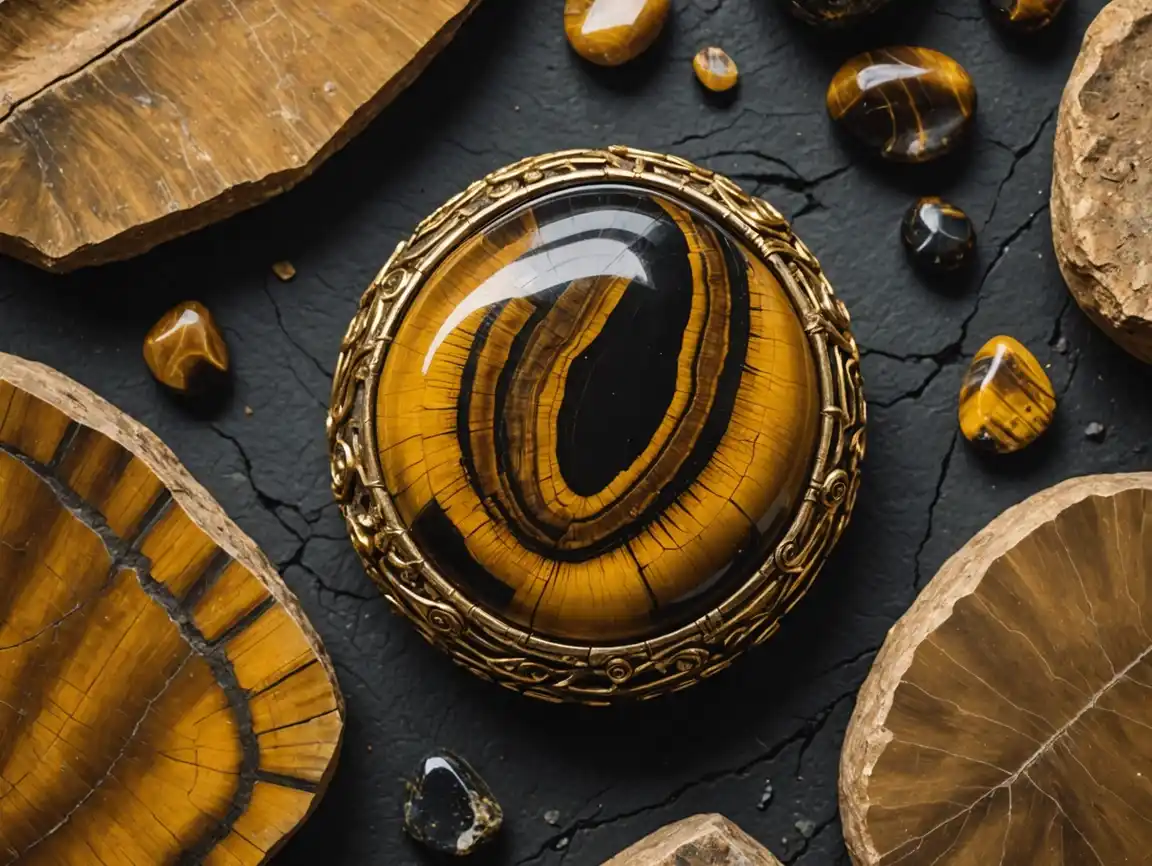
Tiger’s Eye is a quartz-based gemstone prized for chatoyancy—the “cat’s-eye effect” where a bright band of light appears to glide across the surface as you tilt it. That moving band comes from tightly aligned, fibrous structures inside the stone that reflect light in a consistent direction. For wholesale buyers, the sharpness of that band and the contrast against the base color often matter more than size alone, because they drive perceived value—and how easily Tiger Eye Stone Meaning sells in product copy.
On the practical side, Tiger’s Eye is usually rated around Mohs 6.5–7, which makes it a solid choice for everyday jewelry like bracelets, pendants, and cabochons that see regular handling. For wholesale assortments, this durability helps reduce chips and surface scratches compared with softer decorative stones—especially in bead strands that get re-strung by makers. In listings, you can tie that durability back to Tiger Eye Stone Meaning by framing it as a “daily-wear” stone that fits work-to-weekend styling.
Geologically, Tiger’s Eye is often described as a pseudomorph, meaning it keeps the “false form” of an earlier fibrous mineral while the chemistry changes over time. In many deposits, the original crocidolite fibers were altered and gradually replaced by silica (quartz), with iron oxides contributing to the signature golden-brown tones. You don’t need to go overly technical on product pages, but this origin story supports premium positioning when customers ask why the shimmer looks so “alive”—and it adds credibility to Tiger Eye Stone Meaning without overpromising.
Gem Facts (Quick Specs)
- Material: Quartz with a chatoyant “cat’s-eye” band created by aligned fibrous structures. gia.edu
- Typical durability: around Mohs ~7 (good for everyday jewelry when properly finished). Geology Science
- Formation notes: often described as silica replacement after fibrous material; some researchers interpret the texture differently, so we keep descriptions conservative. Encyclopedia Britannica+1
Tiger Eye Stone Meaning (Retail-Safe Messaging)
Core symbolism shoppers buy for
Tiger Eye Stone Meaning is most often summarized as courage, protection, and grounded confidence—the kind of language shoppers instantly understand without needing metaphysical jargon. For product copy, keep it practical: “a reminder to stay steady under pressure,” “helps you feel more decisive,” or “a protective talisman many people wear for everyday confidence.” You’re describing symbolism and personal interpretation, not guaranteed outcomes. That approach reads trustworthy, fits modern buyers, and keeps your listings safe and professional.
Many customers use it as a “steady-focus” stone for moments that require confidence—job interviews, presentations, travel days, or starting a new project—so your descriptions should connect symbolism to real-life use. You can also position it as a giftable piece for graduations, new business launches, or anyone who likes warm, earthy tones. When you explain Tiger Eye Stone Meaning this way, buyers feel the value instantly, and you avoid claims that sound like promises or medical advice.
Tiger Eye stone meaning love (how to say it without hype)
In relationships, Tiger Eye Stone Meaning is often framed as a symbol of steady confidence—staying calm, speaking clearly, and holding healthy boundaries. Instead of promising romance results, keep it grounded: many shoppers choose it as a reminder to trust their instincts, avoid people-pleasing, and act with self-respect. It also makes an easy gift angle for anniversaries or “new chapter” moments, especially in warm-toned bracelets that feel wearable every day.
Tiger Eye Stone Meaning and Uses (Mapped to Best-Selling SKUs)
From bracelets to cabochons to decor pieces
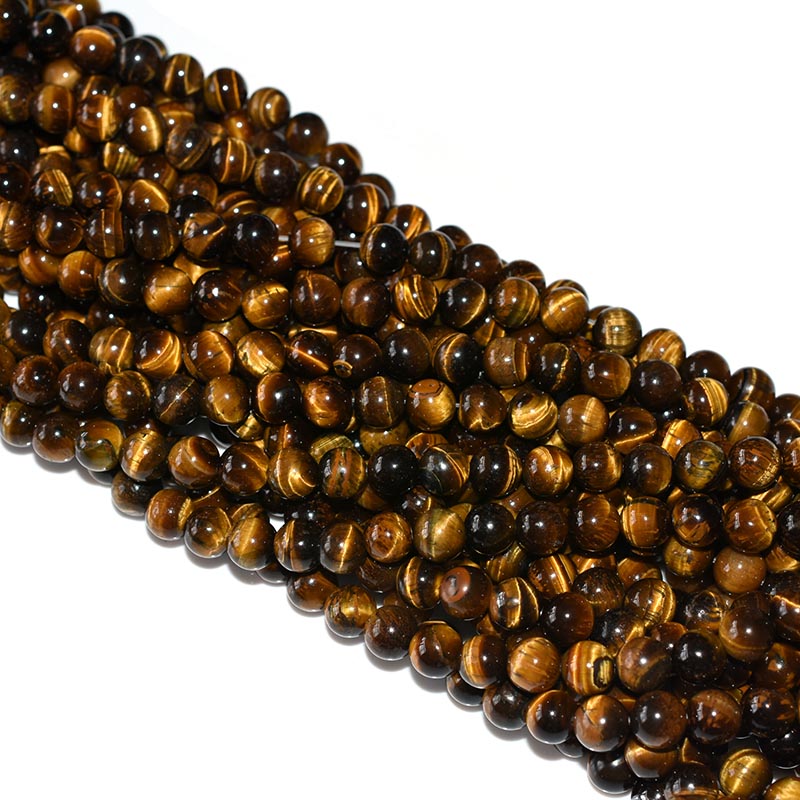
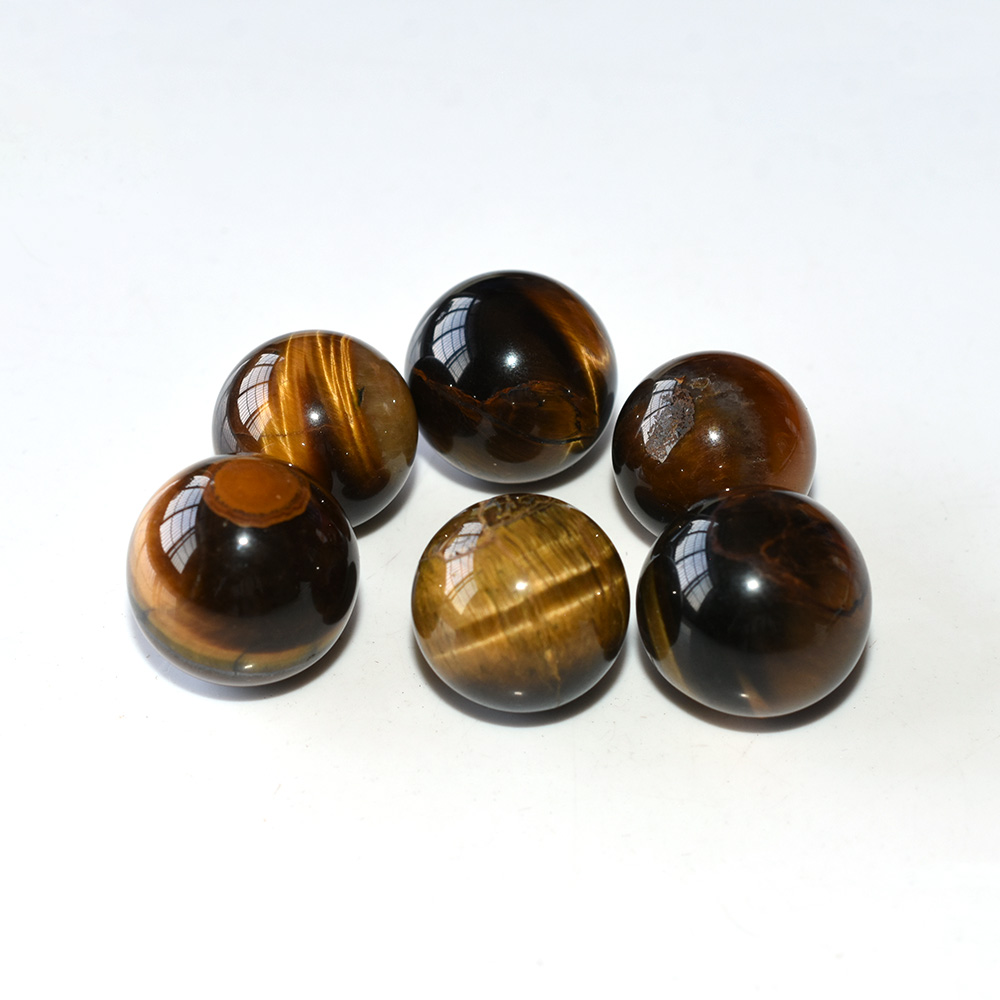
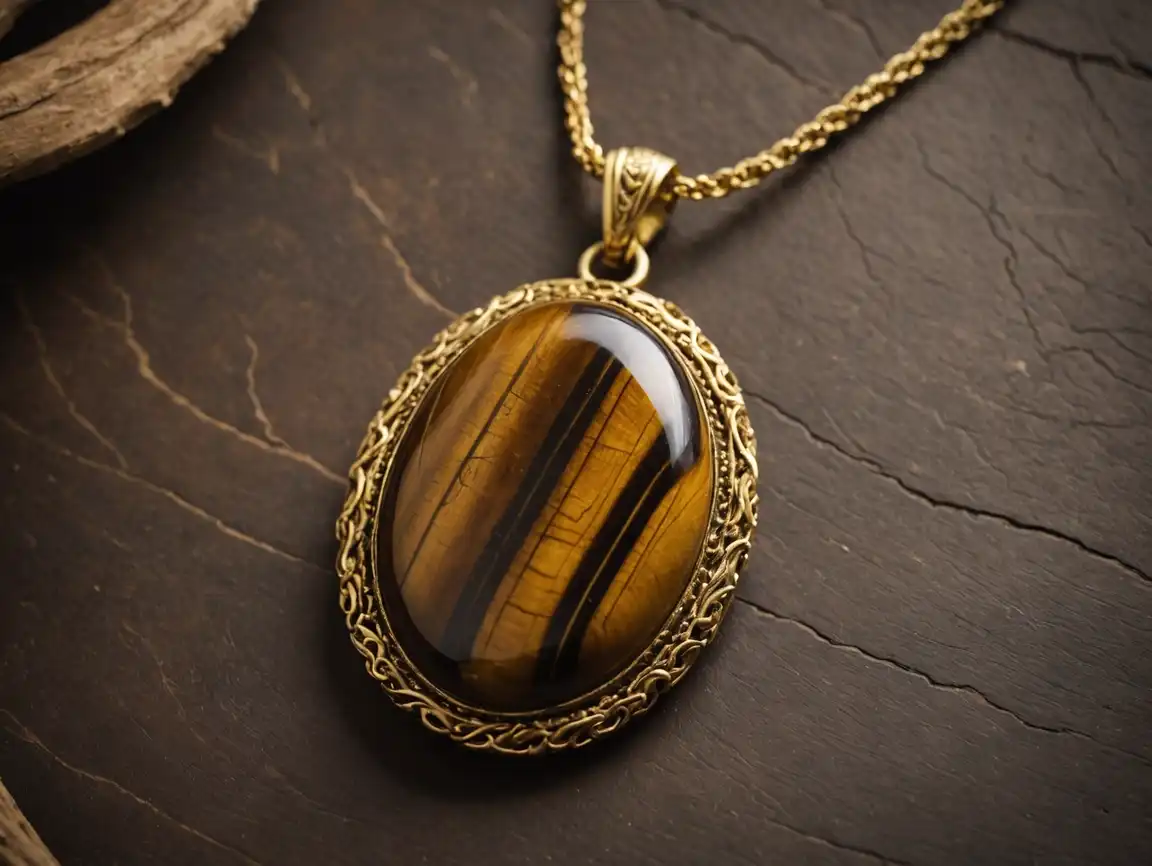
The easiest way to monetize Tiger Eye Stone Meaning is to map it to what people actually buy and how they use it. Bracelets and bead strands sell as daily-wear “confidence” pieces, while cabochons and faceted cuts appeal to makers who want that moving band as a focal point. Tumbled stones and palm stones fit pockets, desks, and gift sets, and larger carvings work for home decor. In listings, phrase this as the “meaning and uses of tiger’s eye stone” rather than promises.
For wholesale planning, start with a “core mix” that matches common buyer intent: 6–10mm round beads for bracelets, cabochons for rings and pendants, and a small add-on set of tumbled tiger’s eye for pocket stones or desk décor bundles. Aim for consistent banding across a strand, because shoppers notice when the shimmer is uneven in photos. When your assortment is built around strong visuals first, Tiger Eye Stone Meaning becomes easier to communicate—and easier for customers to justify purchasing.
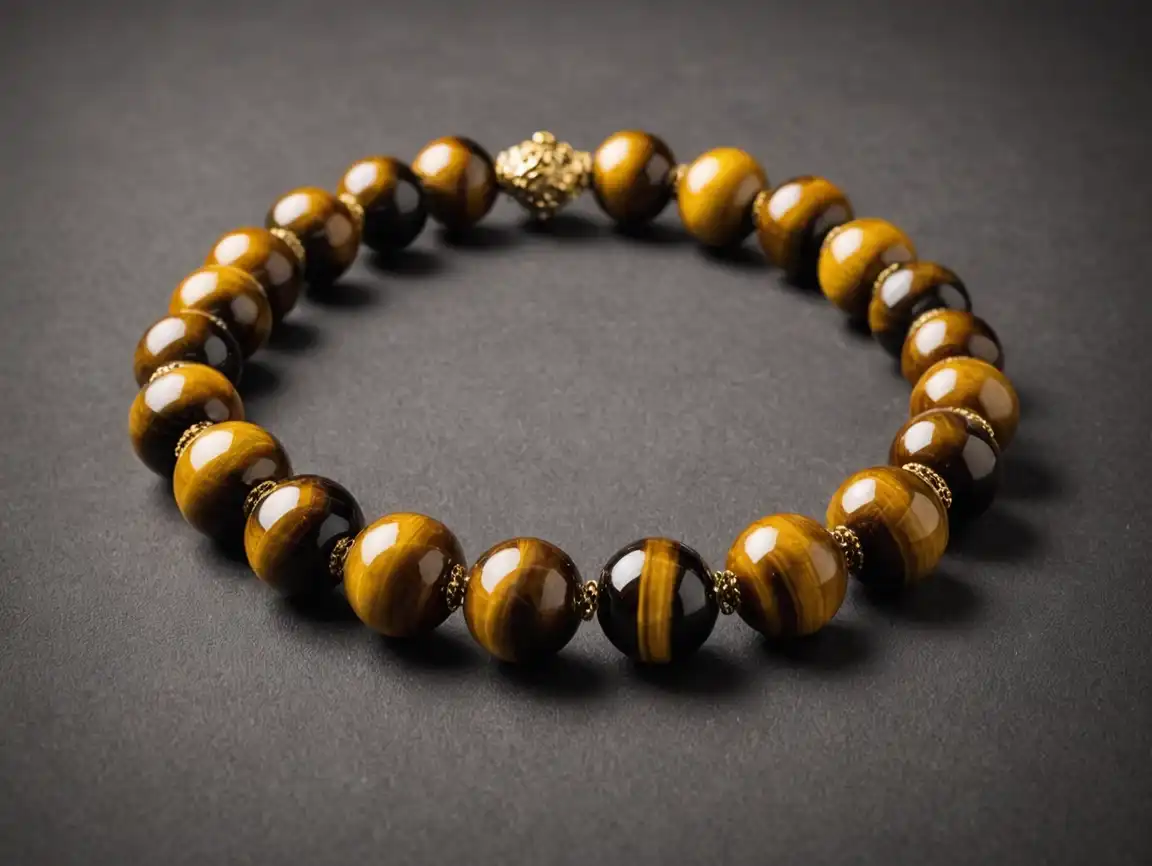
Men’s and unisex styles are another fast-moving lane, especially when you keep designs clean and minimal. Think matte black hardware, leather cord, or simple stretch bracelets where the stone does the talking. In that context, Tiger Eye Stone Meaning sells as “quiet confidence” and “grounded focus,” which fits audiences who don’t want overly spiritual language. For B2B buyers, it also means fewer size-related returns—bracelets, beads, and small pendants are easy to gift and easy to reorder.

Color Meanings Buyers Ask For
Blue Tiger Eye stone meaning (Hawk’s Eye)
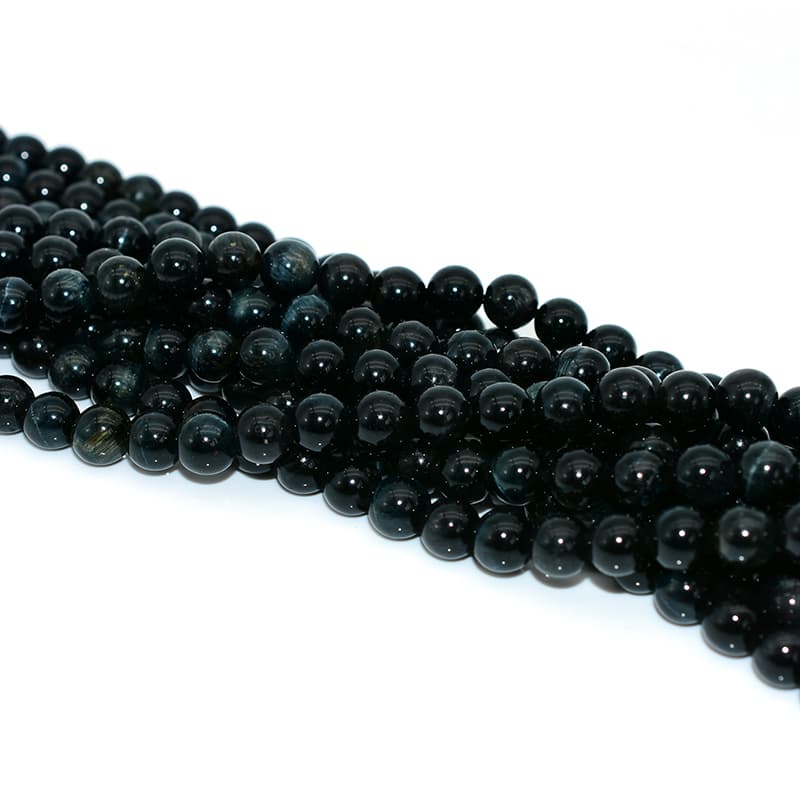
In customer searches, Blue Tiger Eye stone meaning is often tied to calmer focus, clear communication, and “cool-headed” confidence—an easy angle for office wear and minimalist jewelry. Many suppliers also label it Hawk’s Eye, so it’s smart to include both names on your product page to capture traffic and reduce confusion. For strong sell-through, prioritize even blue-gray tones and a clean, bright band on cabochons and 6–8mm beads, then connect the story back to meaning of tiger’s eye stone in one simple line.
Red Tiger Eye stone meaning (often seen as more “energizing”)
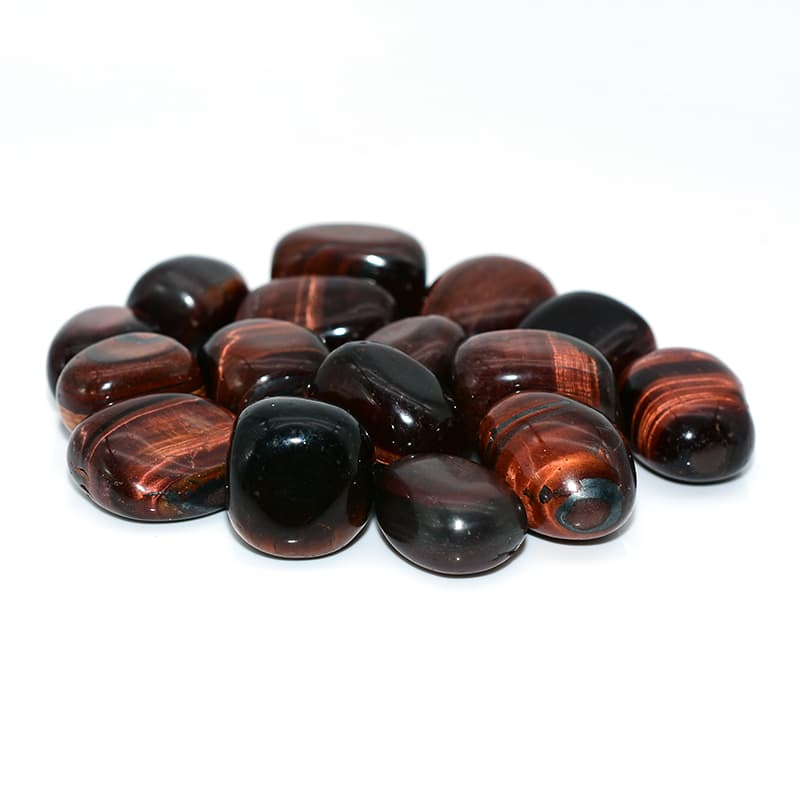
For many shoppers, Red Tiger Eye stone meaning leans into motivation, boldness, and taking action—so it performs well in “new job,” “fitness goals,” or “fresh start” gift themes. Visually, red varieties can range from warm rust to deep mahogany, and consistency matters when you’re selling strands online. If you carry it wholesale, be transparent in your listing if the color is intensified through common treatment, because clear disclosure reduces disputes. Keep the messaging aligned with Tiger Eye Stone Meaning by focusing on confidence and momentum, not guaranteed results.
Green Tiger Eye stone meaning (naming clarity for listings)
Searchers looking for Green Tiger Eye stone meaning usually want the same core themes—confidence and grounding—but with a fresher, earthier color palette that pairs well with silver settings and plant-toned aesthetics. In the trade, “green tiger’s eye” can be used loosely, so your best practice is to label it clearly (for example: “green-toned tiger’s eye quartz”) and show true-to-life photos under neutral light. That naming clarity helps protect your return rate, while still letting you anchor the story to tiger’s eye stone meaning in a single, clean sentence.
Quick color buying guide (what to stock first)
If you’re building your first bulk order, start with golden-brown as your anchor, then add one cool-toned and one statement color for variety. Golden-brown strands and tumbles tend to have the broadest audience, blue-toned pieces often do well in men’s and minimalist collections, and red-toned items sell as “energy” gifts when the color is consistent. For makers, prioritize cabochons with a strong, centered band, because they photograph beautifully. To turn this into an easy reorder plan, use Tiger Eye Stone Meaning as a single shared theme across all colors, then let the color do the segmentation. Want a ready-made mix? Message us on WhatsApp or send your sizes and quantities through the inquiry form.
Tiger Eye Stone Benefits (What You Can Say Responsibly)
Benefits language that stays compliant
When shoppers ask about Tiger Eye stone benefits, it helps to frame them as intentions and everyday support—not medical outcomes. Many people associate this stone with feeling more focused, steady, and confident during stressful seasons, which is easy to tie into Tiger Eye Stone Meaning in a retail-safe way. Try wording like “a reminder to stay grounded and decisive” or “often chosen for calm confidence.” Add a simple note that crystal traditions are personal and not a substitute for professional advice.
You can also translate those benefits into clear use-cases that convert: students buy it for study routines, professionals buy it for presentations and leadership moments, and gift shoppers buy it for “new chapter” milestones. The key is to keep your copy specific about the situation, not the body—focus, productivity, emotional balance, and personal empowerment are safer than health claims. When the language stays practical, Tiger Eye Stone Meaning reads more believable, and your product page feels premium rather than hype-driven.
Safety First — Dangerous? Side Effects? Who Should Avoid It?
Is tiger eye stone dangerous (finished jewelry vs cutting dust)
A common question is: Is tiger eye stone dangerous? For most shoppers, finished jewelry and polished stones are generally safe to wear and handle in normal use. The bigger concern is for makers who cut, grind, or polish stone—fine dust is the risk in many lapidary materials, so good ventilation, wet methods, and proper masks matter. On your product page, keep it calm and factual, and connect it back to tiger eye meaning stone as symbolism—not a health claim.
Maker Safety Note (Cutting/Polishing)
When cutting or grinding any silica-based stone, dust control matters. OSHA and NIOSH recommend engineering controls like water-fed cutting and local exhaust ventilation, plus appropriate respiratory protection when needed.
tiger eye stone side effects (comfort-based, not medical claims)
Some customers report “personal sensitivity” to certain crystals, so it’s smart to address tiger eye stone side effects in a practical way. A small number of wearers may feel the stone is too stimulating—especially if they prefer softer, calming stones—so they choose to wear it for shorter periods or avoid sleeping with it. This is not a medical statement; it’s simply a comfort guideline based on user experience. Framed this way, Tiger Eye Stone Meaning stays grounded, and you show transparency that builds trust.
Who should not wear Tiger eye stone (practical cautions)
When shoppers ask Who should not wear Tiger eye stone, the most responsible answer is about practical cautions, not diagnoses. If someone is highly sensitive to strong, energizing symbolism, they may prefer to “test wear” it for a few hours first. For children and pets, the bigger issue is choking or accidental swallowing of small tumbled stones or beads—so keep loose pieces stored safely. And if your jewelry includes metal findings, buyers with known metal allergies should choose hypoallergenic components. This keeps Tiger Eye Stone Meaning helpful and realistic.
Wholesale Buying Guide (Selection, QC, Treatments, Packaging)
Grading checklist for chatoyancy, cracks, polish, drilling
In wholesale QC, we grade tiger’s eye by what customers can see in one glance: the band’s brightness, how cleanly it “slides” under light, and how much contrast it has against the base color. Strong chatoyancy with minimal haze typically sells faster online. Next, check surface polish (fine scratches show up harshly in photos), then look for obvious fractures along the banding. For beads, verify drill holes are centered and consistent so strands hang evenly—and so Tiger Eye Stone Meaning doesn’t get overshadowed by quality complaints.
A quick receiving routine can save you weeks of back-and-forth later. Open cartons under neutral light, pull a small sample from multiple bags or strands, and do a “tilt test” to confirm the cat’s-eye band appears across most pieces—not just a few hero stones. Measure bead diameter and strand length to confirm sizing matches the invoice, and compare color consistency side by side to spot mixed lots. When you document this with a few photos on day one, you protect your margins, and your tiger eyes stone meaning listings stay focused on value instead of defects.
For bead strands, drilling is where hidden problems show up: off-center holes make bracelets sit crooked, and rough drilling can chip edges and increase breakage during restringing. Run a quick “thread test” with your most common elastic or wire to ensure the hole size is workable, then spot-check for blocked holes or sharp burrs. If you sell by size, group strands by tight diameter ranges and label them clearly, because consistent sizing is what keeps repeat buyers coming back—and keeps Tiger Eye Stone Meaning positioned as premium, not inconsistent.
Our QC Tolerances (Wholesale-Friendly)
For consistent production lots, we use simple tolerances buyers can repeat: bead diameter within ±0.2 mm on the same strand, strand length within ±0.5 in (±1.3 cm), and drill holes clean and centered with no chipping around the edges. For visual grading, we sort by band brightness (strong/medium/soft), base-color uniformity, and surface polish (no obvious scratches under neutral light). Any lot with repeated cracks or blocked holes is flagged for replacement or re-sorting.
Treatments & disclosure (reduce returns and disputes)
In the tiger’s eye market, color can be natural, enhanced, or blended across lots, so the safest approach is simple transparency. If a supplier indicates heat treatment or other common enhancement to deepen red tones or even out appearance, note it in your product details in plain language—no drama, just clarity. Clear disclosure protects your brand and reduces chargebacks, especially for makers who care about consistency. You can still sell the story through Tiger Eye Stone Meaning, but your customer should never feel surprised by what arrives.
For independent sites, the easiest disclosure format is a short, standardized line near your specs section: “Treatment: natural/standard industry enhancement (as disclosed by supplier)” plus a quick note that color may vary stone to stone. This sets expectations without scaring buyers, and it keeps your copy compliant. If you offer multiple grades, label them by visual criteria—band brightness, clarity, and color uniformity—so customers understand why one strand costs more. Done well, Tiger Eye Stone Meaning becomes the emotional hook, while your specs and transparency close the sale.
Compliance Note (Treatment Disclosure)
If a gemstone has been treated and the treatment is not permanent—or it creates special care requirements—best practice is to disclose it clearly in your listing. The FTC’s Jewelry Guides treat these details as material information that can affect a buyer’s decision. A simple line in your specs section works well, such as: “Treatment: industry-standard enhancement (as disclosed by supplier),” plus “Color may vary stone to stone.” Clear disclosure reduces disputes, returns, and chargebacks.
SKU planning for shop owners vs jewelry makers
For retail shop owners, the best sellers are usually easy-to-grab items: 8–10mm bracelets, palm stones, and small tumbled sets that feel giftable. Jewelry makers, on the other hand, prioritize repeatable inputs—2–8mm beads with consistent diameter, matched strands, and cabochons cut to standard sizes for settings. If you’re stocking both audiences, build two tiers: “display pieces” for impulse buys and “maker packs” for production. That way, Tiger Eye Stone Meaning supports both storytelling and practical sourcing without forcing one audience to compromise.
A simple starter assortment for makers might include 4mm, 6mm, and 8mm round beads (one strand each), plus a small set of calibrated cabochons in the most requested shapes (oval and pear tend to move well). For shops, add a handful of larger palm stones or small carvings to create a visual anchor in your display, then upsell matching bracelets. When your assortment is planned around who’s buying—not just what looks pretty—tiger eyes stone meaning becomes easier to merchandise across collections and seasons.
Inquiry template (what to send for a fast quote)
To get an accurate wholesale quote quickly, send a supplier a short, structured request: stone type and color (golden-brown/blue/red/green-toned), form (bead strands, cabochons, tumbles, carvings), sizes (mm range), quantity (pieces or strands), and your target market (retail shop vs makers). Add any must-haves like hole size, strand length, or grade expectations (strong banding, minimal fractures). When you request quotes this way, you avoid vague back-and-forth, and Tiger Eye Stone Meaning stays the selling story—not the sourcing headache. For pricing and lead times, message us on WhatsApp or submit the inquiry form with your specs.
Packaging & labeling (small details that prevent big returns)
Packaging is where many wholesale sellers quietly win. Use separate bags for each size or grade, add a simple batch label (size, color, quantity, lot/date), and keep strands protected so beads don’t rub and dull the polish in transit. If you sell on an independent site, that same label info can become your specs section, which reduces “item not as described” complaints. Done right, Tiger Eye Stone Meaning stays the hero in your listing—while packaging keeps customers happy when they open the box.
For gift-ready items, consider adding a short care card and a one-sentence meaning line customers can repeat. Keep it clean and non-medical: “Often chosen as a symbol of grounded confidence and protection.” This kind of insert boosts perceived value, helps shoppers explain the purchase to someone else, and reduces refund requests caused by unrealistic expectations. When your packaging and copy align, Tiger Eye Stone Meaning feels consistent across the product page, the unboxing, and the customer’s first impression.
When you’re handling mixed lots, set a simple incoming QC rule you can repeat every time: sample across multiple bags or strands, log results in a quick spreadsheet, and photograph any defects next to a ruler under neutral light. This makes supplier conversations faster and protects you if a customer questions grade consistency later. In our wholesale workflow, we treat QC notes as part of the product—because consistent grading is what lets Tiger Eye Stone Meaning remain a premium story instead of getting lost in avoidable disputes.
Incoming inspection (our 30-minute QC routine)
In our wholesale process, we treat incoming inspection as a repeatable checklist, not a one-off “look and feel” test. For each lot, we sample across multiple strands or bags, then grade three things first: band brightness, surface polish, and obvious fractures. If the order is large, we’ll increase the sample size until results are consistent, and we log photos and measurements so there’s a clear record. This protects your margins and keeps Tiger Eye Stone Meaning tied to quality, not surprises.
If we’re buying bead strands for production, we also verify hole consistency and stringability with the most common elastic or wire thickness our clients use. For cabochons, we check symmetry, doming, and whether the band sits attractively near the center—because that’s what makes finished jewelry look “expensive” in photos. These steps aren’t glamorous, but they’re what reduce returns and remake costs. And in the long run, they help meaning tiger eye stone perform better, because customers trust what they see in your listings.
When something doesn’t meet spec, we address it the same day with a short, evidence-based note: 3–5 photos, the affected count, and the exact issue (weak banding, excessive fractures, inconsistent sizing, rough drilling). Before reordering, we also ask for a quick pre-shipment video showing the chatoyancy under light and a few ruler shots for size confirmation. This kind of clear communication prevents repeat issues—and it protects how Tiger Eye Stone Meaning is perceived, because quality consistency is what keeps customers believing your story.
Selling & Merchandising (Make It Convert on an Independent Site)
Copy, bundles, and positioning
A high-converting product page balances story and specs. Start with a short hook that explains Tiger Eye Stone Meaning in one sentence, then follow with three scannable bullets: what it looks like (chatoyant banding), how people use it (daily-wear jewelry, desk stones, gifts), and what buyers get (size, grade, strand length, hole size). After that, add a simple care note and your shipping/MOQ details. This structure keeps shoppers moving toward purchase instead of hunting for missing information.
Bundles are an easy way to lift average order value without writing “salesy” copy. Pair matching items across forms—bracelet + tumbled pocket stone, bead strand + a small cabochon set, or a “confidence kit” with golden-brown and blue-toned pieces. On the page, explain the bundle in practical terms (same color family, consistent banding, ready for gifting or making) and keep the promise symbolic. When your bundle has a clear purpose, meaning of tiger’s eye stone feels tangible and worth the upgrade.
For positioning, think in collections your customers already understand: “Workday Focus,” “Grounded Confidence,” “Men’s Minimal,” or “Giftable Protection.” These names help shoppers self-select without heavy metaphysical language. You can also use a small “Who it’s for” section—students, professionals, travelers, makers—then link directly to the right sizes (4–6mm for delicate styles, 8–10mm for statement pieces). When you organize your catalog this way, Tiger Eye Stone Meaning becomes the thread that ties categories together and improves on-site browsing.
Gift positioning & occasion hooks (without treating folklore as fact)
Gift buyers love clear occasion hooks, so keep yours simple and honest: graduations, new jobs, business launches, travel gifts, and confidence-themed self-care sets. You may also see Tiger’s Eye marketed around anniversaries or zodiac themes—if you mention those, frame them as “often associated with” rather than hard facts. That way the story stays fun without sounding like a claim. Done well, Tiger Eye Stone Meaning becomes an easy, repeatable gift message that customers can share when they hand it to someone else.
Cross-sell pairings (style-first, not “guaranteed results”)
Cross-sells work best when they’re based on design harmony. Tiger’s eye pairs beautifully with onyx for a high-contrast, modern look, and with citrine or pyrite for warm, gold-toned stacks that feel cohesive. For softer collections, rose quartz can add a gentle pink accent that appeals to gift shoppers, especially in mixed-stone bracelets. Keep your copy grounded in aesthetics and intention—“a balanced stack for grounded confidence”—so Tiger Eye Stone Meaning stays symbolic, not a promise of wealth or luck.
Care & Display: Keep the Cat’s-Eye Effect Bright
Care card you can copy-paste into your listing
A simple care section reduces returns because it sets expectations. Recommend wiping Tiger’s Eye with a soft cloth, storing it separately to avoid scratches, and keeping it away from harsh chemicals like cleaners, perfumes, and chlorine. Brief water contact is usually fine for cleaning, but long soaking isn’t ideal, and extended direct sunlight may fade some pieces over time. This is also a great place to restate Tiger Eye Stone Meaning as symbolism, then add a gentle note that crystal traditions are personal—not medical advice.
How to photograph chatoyancy for higher conversion
The number-one reason shoppers doubt tiger’s eye listings is that the band can look “flat” in a single photo. To capture the effect, use one directional light source and take a short video or a 3–5 frame sequence while slowly tilting the stone—this shows the band sliding across the surface. For strands, drape them in a gentle curve so multiple beads catch light at once. When your visuals prove the shimmer, Tiger Eye Stone Meaning lands more strongly because buyers trust they’re getting the real signature look.
A strong content plan can turn blog traffic into wholesale inquiries. Create internal links from this guide to your key category pages—bead strands, cabochons, tumbled stones, and mixed wholesale packs—then add a short “Wholesale Options” box near the top and near the end. Keep the box specific: list common sizes, available colors, and typical lead times, so buyers know you’re set up for B2B. When the path from education to ordering is obvious, Tiger Eye Stone Meaning becomes a lead generator, not just an SEO keyword. If you want a starter pack list and current availability, message us on WhatsApp or submit the inquiry form.
FAQ
1) Tiger Eye Stone Meaning — what’s the one-line pitch?
For product pages, a clean one-liner beats a long spiritual essay. A strong pitch for Tiger Eye Stone Meaning is: “A symbol of grounded confidence and protection, loved for its signature cat’s-eye shimmer.” Then add one practical line that fits your SKU: “Great for daily-wear bracelets, pendants, and desk stones.” Keep it symbolic, not medical, and you’ll sound premium while staying compliant—especially important for wholesale listings that need consistency across many SKUs.
2) Tiger Eye stone meaning in the Bible — is it actually mentioned?
If you’re seeing searches for “Tiger Eye stone meaning in the Bible,” it helps to clarify expectations: Tiger’s Eye is a modern trade name, and it typically isn’t named directly in widely used biblical gemstone references. What many sellers do instead is frame it as a symbolic fit—linking its golden-brown look to themes like courage, discernment, and steadfastness—without claiming a specific scripture endorsement. That keeps Tiger Eye Stone Meaning respectful, accurate, and retail-safe for broad audiences.
3) Is tiger eye stone dangerous for cutting/polishing?
For most customers, finished jewelry and polished stones are safe to handle in normal use. The main risk is during cutting, grinding, or polishing, where fine dust can be irritating—so lapidary shops typically use wet methods, good ventilation, and a properly rated mask, plus eye protection. If you sell to makers, it’s smart to add a short safety note in your wholesale terms. That keeps tiger’s eye stone meaning focused on symbolism while you handle safety responsibly.
4) Who should not wear Tiger’s Eye jewelry?
Most people can wear tiger’s eye comfortably, but a few groups should take practical precautions. If someone feels overstimulated by energizing stones, they can “test wear” it for a short period and avoid sleeping with it. For children and pets, keep loose beads and tumbles secured to prevent choking or swallowing. Also, some “reactions” are actually metal sensitivity—so offer stainless steel, titanium, or other hypoallergenic options when possible. This keeps the guidance realistic while Tiger Eye Stone Meaning remains a personal, symbolic choice.
5) Can Tiger’s Eye go in water or the sun?
A quick rinse for cleaning is usually fine, but long soaking can dull polish over time—especially if the stone is in jewelry with glued settings or plated findings. For sunlight, short exposure is typically okay, yet extended direct sun may slowly fade some pieces or heat up bracelets enough to weaken elastic. The safest advice is simple: wipe with a soft cloth, avoid chemicals, and store separately. If you include care tips like this, customers stay happy and your listings feel more trustworthy.
6) How do I tell if Tiger’s Eye is real (not glass or dye)?
Real tiger’s eye usually shows a clear, moving chatoyant band when you rotate it under a single light source—glass imitations tend to look uniformly shiny without that “sliding” line. Check for natural variation too: authentic stones often have subtle shifts in tone and band width across a strand, while fakes can look overly perfect or painted. For beads, consistency should still exist within a grade, but you should see organic texture up close. If you’re buying wholesale, request a short video tilt test before shipment to confirm the effect.
Conclusion
Tiger Eye Stone Meaning works best when you treat it as a clean, repeatable sales message: grounded confidence, protection, and steady focus—paired with the stone’s signature cat’s-eye shimmer. If you keep your wording symbolic and practical, you’ll appeal to both spiritual shoppers and people who simply love warm, earthy gemstones. Use color as a simple way to segment intent: golden-brown for broad appeal, blue for calm minimal styles, and red/green-toned options for shoppers who want something distinctive.
For wholesale success, the profit is in consistency. Build assortments around your buyers (shop displays vs makers), then back it up with arrival checks: band brightness, polish quality, fractures, drilling consistency, and size tolerance. Keep treatment notes and color variation expectations transparent in your specs section—this reduces disputes and protects your brand. When your QC standards match your product photos, customers trust what they see, and reorders become the default outcome.
If you want to move faster, send a structured inquiry with the exact forms (strands/cabochons/tumbles), sizes, colors, and target quantity, plus any must-haves like hole size, strand length, or grade level. Message us on WhatsApp for the quickest response, or submit the inquiry form for a formal quote with lead times and packing options. We can also suggest a starter mix based on your market (retail vs makers) and your budget so you can launch or restock with confidence.
References & Standards
We keep our gem descriptions conservative and retail-safe, and we base safety/disclosure notes on widely recognized sources: GIA and Britannica for gemstone background, Mindat for mineralogical notes, OSHA/NIOSH for silica dust controls in cutting and polishing, and FTC Jewelry Guides for treatment disclosure expectations.