
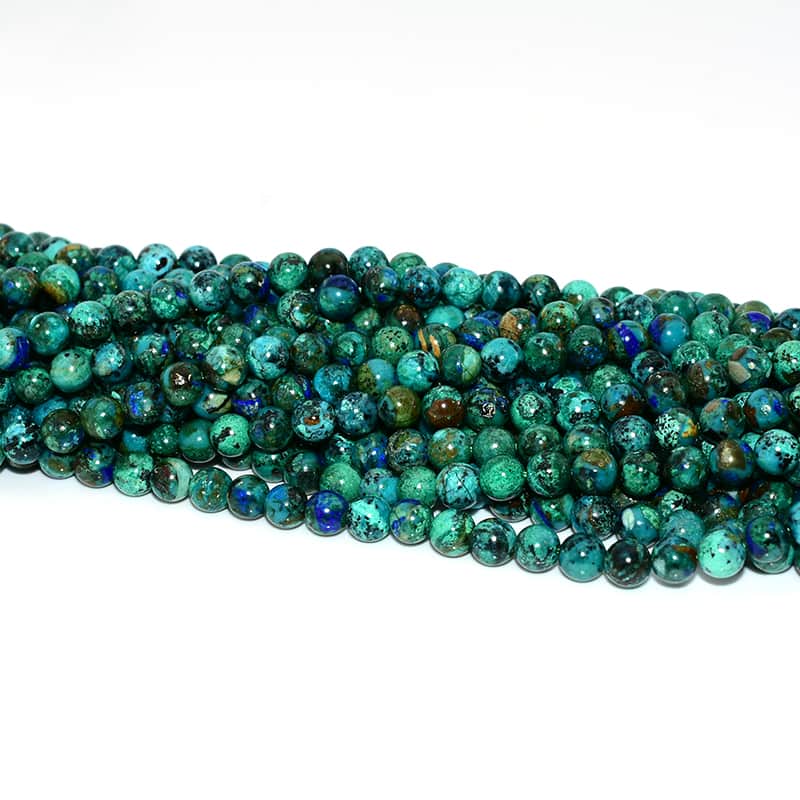
Azurite Beads Wholesale – Stable Supply for Retailers & Crystal Shops
Overview
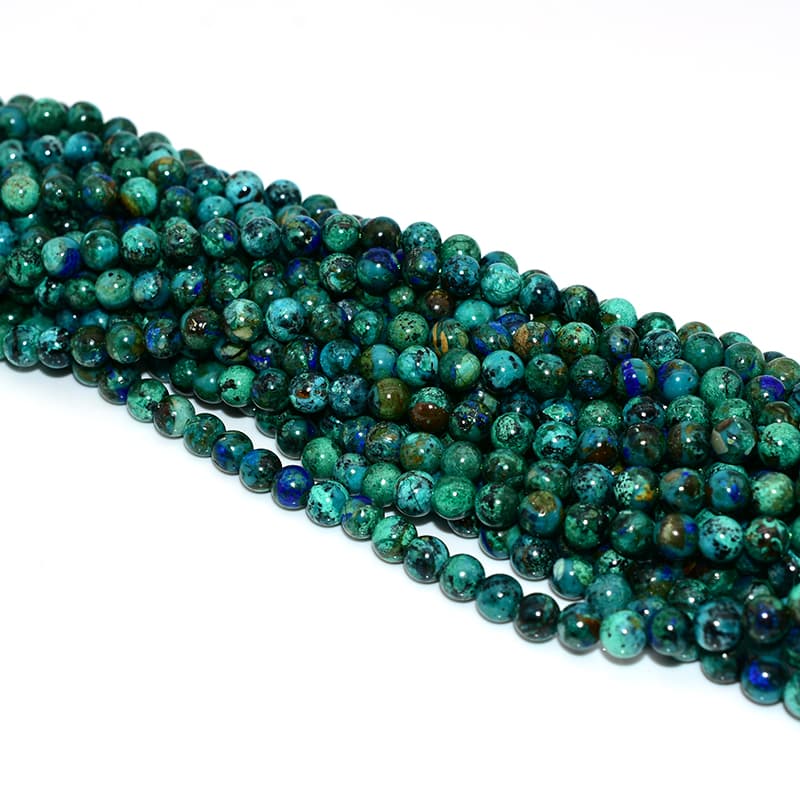
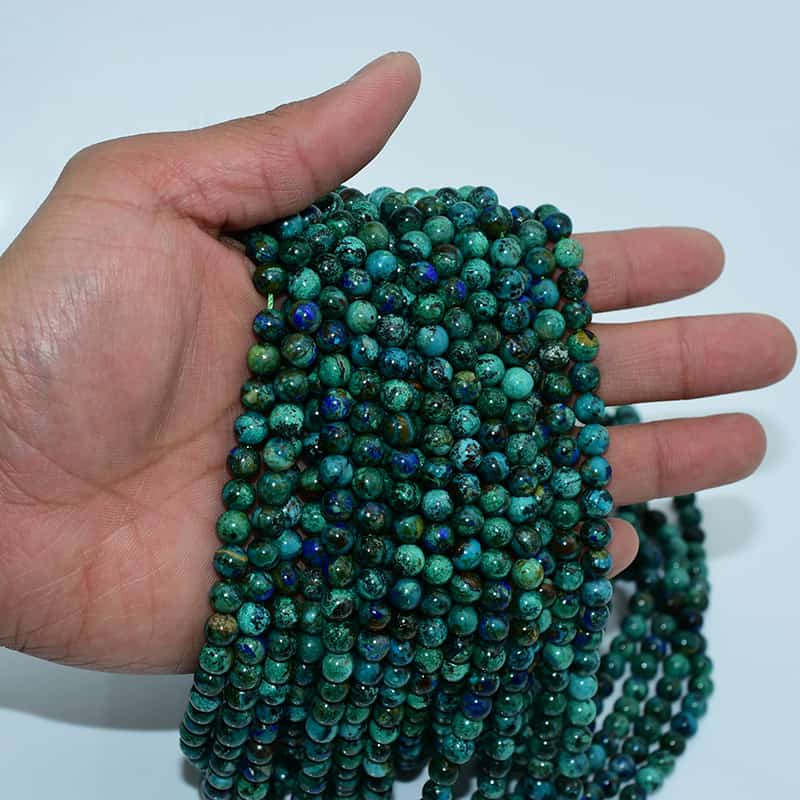
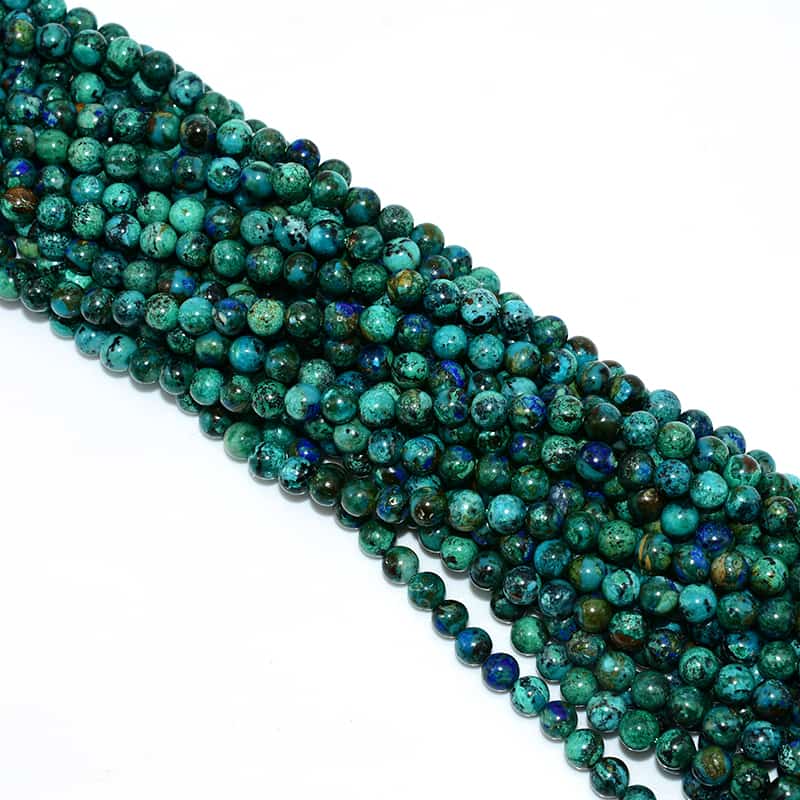
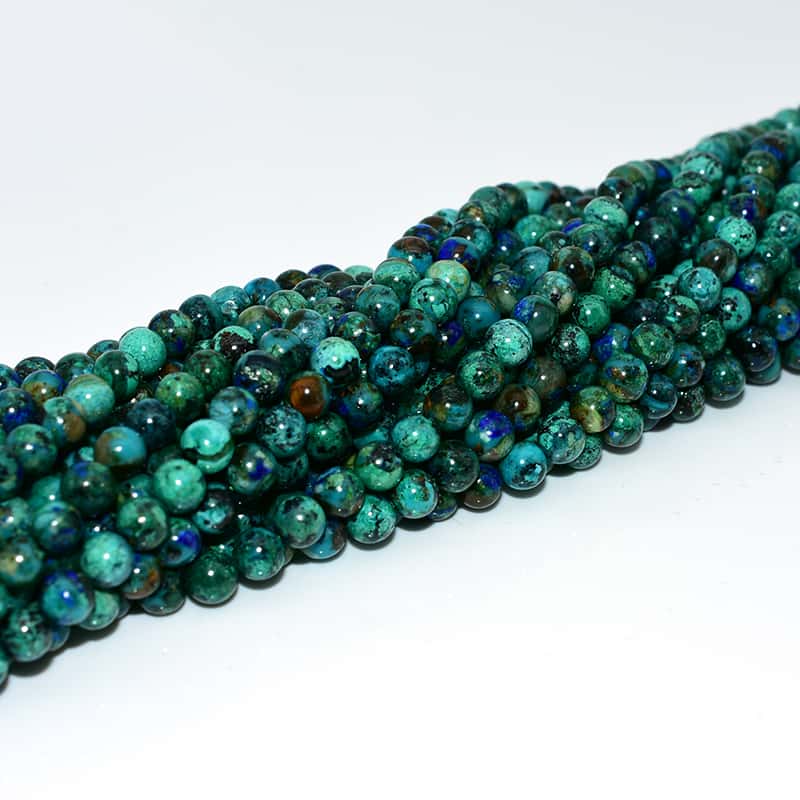
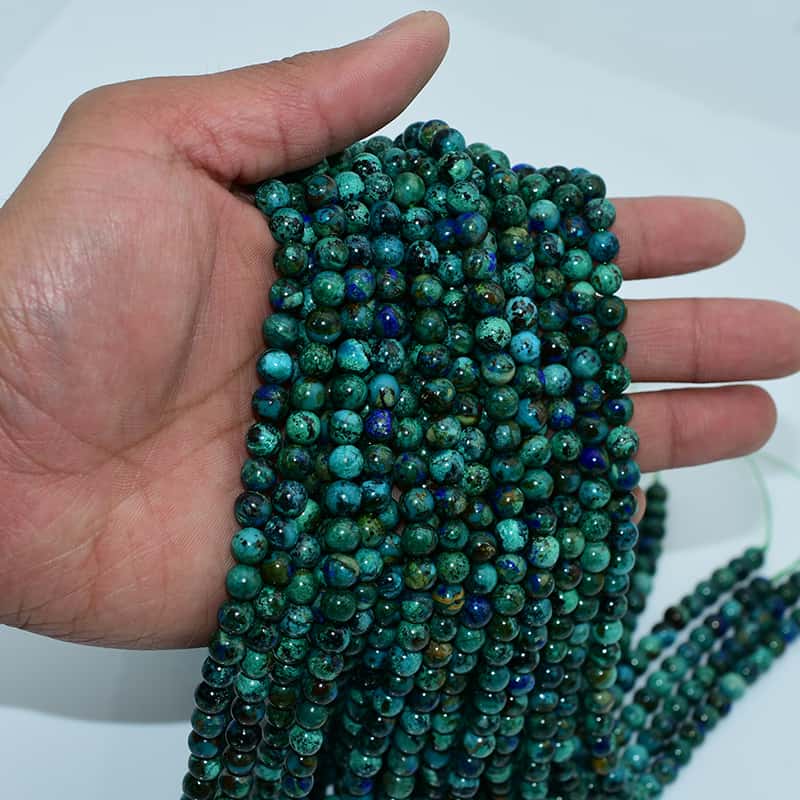
Azurite is a copper-carbonate mineral recognized for its deep navy blue and naturally layered textures. When polished into round strands, Azurite Beads display striking color contrast that appeals to jewellery makers, craft shops, and crystal retailers. This material is frequently chosen for bracelets, necklace strands, beading kits, and small décor accents. Wholesale buyers prefer this material because it provides consistent sell-through, flexible pricing tiers, and competitive margins across multiple retail categories.
Market Demand & Selling Points
Why this material sells well
Azurite Beads perform strongly in retail due to their recognizable blue tone and visually unique patterns. Customers looking for colorful gemstone options quickly notice its deep saturation. The stone sells well among hobby crafters, collectors, gift-shop shoppers, and online jewellery buyers, giving retailers predictable and stable demand.
Popular retail applications
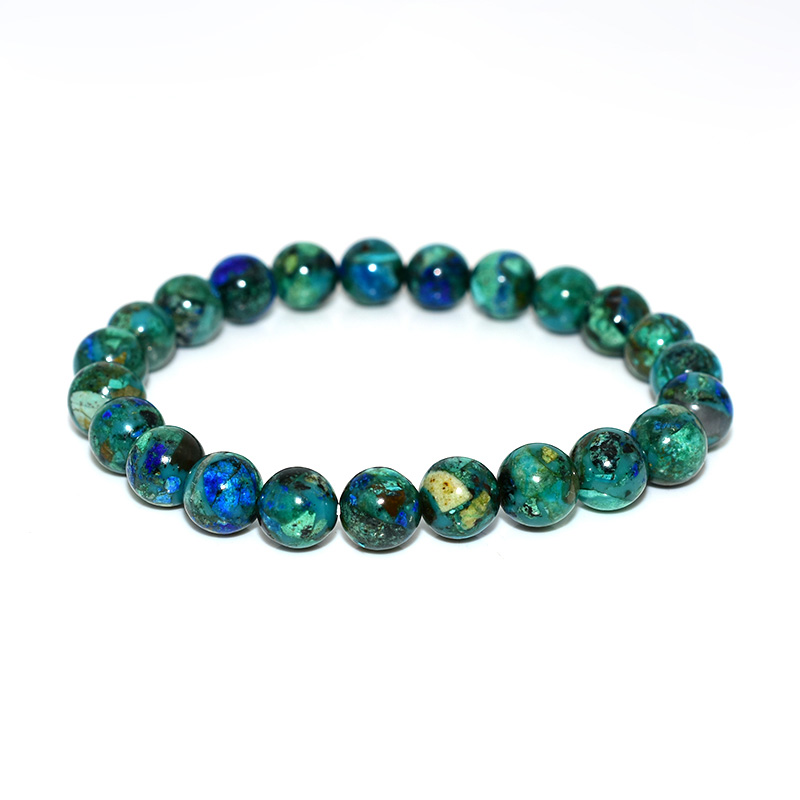
Shops often use Azurite Beads in bracelets, strand sets, pendant designs, and general craft supplies. Jewellery studios, crystal boutiques, metaphysical stores, and DIY beading workshops purchase this stone repeatedly. Its deep color also complements curated gemstone displays, especially when mixing materials in multi-stone designs.
Cross-selling potential
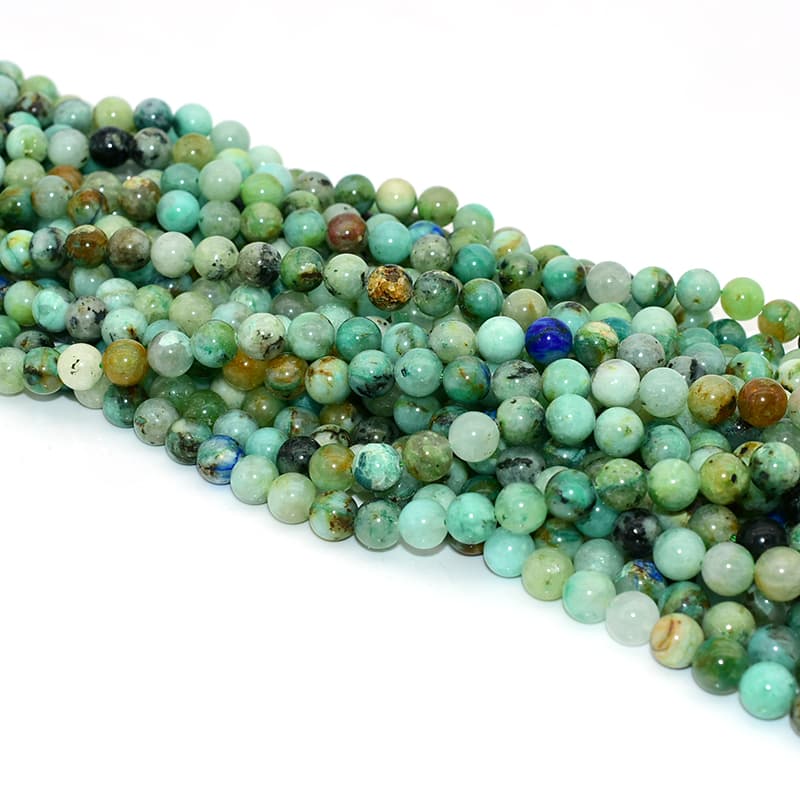
Retailers commonly pair Azurite Beads with stones like Amazonite beads, Apatite beads, and chalcedony beads for color variety. Darker textures match well with beryl beads, mica beads, and shimmering labradorite beads. Some shops also carry Azurite Malachite and Azurite Chrysocolla meaning products as category extensions.
Wholesale Grades & Pricing Logic
Available grades
High-grade Azurite Beads show rich, saturated blue tones with fewer surface irregularities, while commercial grade includes more visible matrix and mixed patterns. Both categories are suitable for different price points, giving retailers a flexible range to match customer expectations.
Size / Shape Options
Standard wholesale sizes include 4mm, 6mm, 8mm, and 10mm. Most Azurite Beads come as polished rounds, though matte finishes and larger statement beads may be available. These size options help shops build consistent SKU structures for their bead collections.
Factors affecting wholesale price
Pricing is influenced by color depth, clarity, matrix balance, cutting precision, polishing quality, and origin. Bulk orders reduce cost per strand, making Azurite Beads even more attractive for stores needing stable, ongoing inventory.
Watch this short video to see Azurite Beads details, color, and quality in real shots:
Authenticity & Buyer Guidance
How to identify genuine material
Authentic Azurite Beads typically show layered textures, uneven blue saturation, and natural matrix. The surface may appear slightly porous, and coloration is rarely perfectly uniform. Buyers should confirm whether the material has been stabilized or treated, as fully even color can indicate imitation or dyeing.
Common issues buyers should know
Natural color variation and inclusions are typical. Slight size tolerance (±0.2–0.4mm) should be expected. Azurite Beads should be kept dry and stored carefully since prolonged exposure to moisture or impact can affect durability. Some beads naturally include malachite transitions, which form during geological alteration.
Logistics, Packing & MOQ
Orders are usually packed with bubble wrap, secured in inner boxes, and placed in export cartons. Smaller shops often begin with 20–50 strands per size, while distributors may order 200–500+ strands for steady stock levels. Express shipping suits small urgent orders, whereas air and sea freight handle larger shipments. Since Azurite Beads are weight-dense, shipping costs increase with bead diameter.
My Wholesale Experience
-
Frequent bulk shipments range from 50–300 strands, with repeat orders every 1–3 months.
-
Typical clients include crystal shops, US metaphysical stores, craft supply brands, jewellery designers, and gift boutiques.
-
Retailers report that azurite attract attention easily and perform well in both offline and online listings.
-
The stone sells well due to its recognizable look, wide usability, and stable consumer demand.
-
Long-term sourcing remains consistent, including mixed lots featuring Azurite gemstone meaning styles and similar materials like Calcite beads.
Specifications
-
Size: 4mm, 6mm, 8mm, 10mm
-
Shape: beads
-
Color: Blue
-
Finish: Natural, Polish
-
Selling unit: by strand
Conclusion
For retailers seeking reliable gemstone stock, Azurite Beads offer strong visual appeal, predictable demand, and easy integration into existing product lines. Their deep blue coloration helps shops maintain eye-catching displays, while stable wholesale availability supports long-term inventory planning. This material consistently provides solid ROI for both small boutiques and high-volume distributors.
FAQ
Why is azurite so rare?
Azurite forms only in limited copper-rich environments, and many deposits naturally convert to malachite over time. This reduces the amount of high-quality azurite available for bead production.
How much does azurite stone cost?
Costs vary depending on grade, bead size, color saturation, and polishing quality. High-grade strands command higher prices, while bulk orders lower the per-strand cost.
Why does azurite turn into malachite?
Azurite slowly alters into malachite when exposed to moisture and carbon dioxide. This natural chemical transformation changes the stone’s blue tone to greener patterns over long periods.
Can azurite touch water?
Short exposure is usually fine, but extended moisture may dull the polish or weaken the structure. Retailers typically recommend keeping beads dry.
What happens when azurite is exposed to air?
Over long periods, environmental conditions can cause subtle color changes or slight greenish development. Proper dry storage helps maintain the bead’s visual quality.
Reviews
There are no reviews yet.