Orange Calcite Benefits: Meaning, Chakra, Jewelry & Wholesale Buying Guide
Written by: Rocrystal Team, Last Update Time: December 30, 2025
Introduction
Orange Calcite Benefits are often described in terms of creativity, upbeat momentum, and confidence—but buyers still ask practical questions: What’s the Orange Calcite meaning, how do you use it, and which orange calcite crystal forms sell best in jewelry? This guide answers those questions with a clear, no-hype approach, plus wholesale-friendly notes on grades, durability, and packaging so you can order with fewer surprises—whether you’re shopping for one piece or planning bulk stock for your store.
If you sell orange calcite jewelry, it helps to speak the same language as both collectors and first-time customers: what they’re hoping to feel, and what they need to know before buying. This article keeps the metaphysical side grounded while translating it into product decisions—beads vs pendants, color grading, scratch risk, and care tips that prevent returns. You’ll also see where Orange Calcite Benefits fit in bundles and gift sets, plus simple next steps to request photos, specs, and bulk quotes via WhatsApp or an inquiry form.
Orange Calcite Meaning and Quick Facts Buyers Should Know
What it is (plain-English definition + why the color matters)
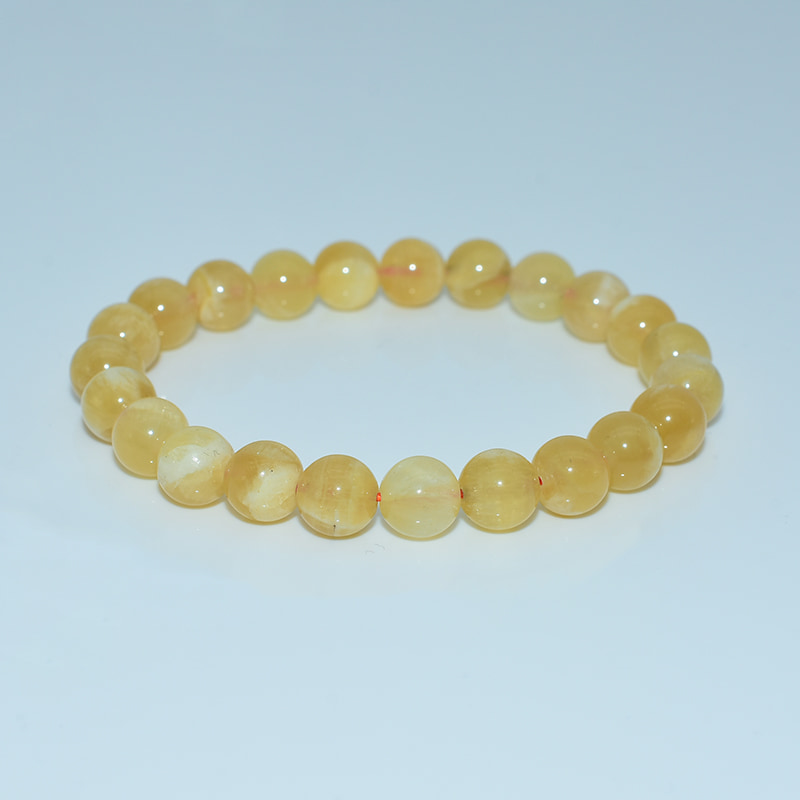
Orange Calcite is a calcium-carbonate mineral (calcite) valued for its warm orange-to-peach tones and the way it brightens a display case, a crystal set, or a jewelry lineup. When shoppers ask about Orange Calcite meaning, a simple, accurate answer is that many people associate this stone with upbeat motivation, creative flow, and a “fresh-start” mindset—more like an emotional cue than a guaranteed result. In practice, Orange Calcite Benefits are most often discussed in lifestyle terms: staying inspired, feeling more open, and keeping momentum when you’re building new habits.
Science snapshot (CaCO3, trigonal, Mohs 3) → why it affects durability
From a mineral standpoint, Orange Calcite is calcium carbonate (CaCO3) in the trigonal crystal system, and it sits around 3 on the Mohs hardness scale, meaning it’s softer than many popular jewelry stones. That matters for buyers because it can scratch or chip more easily if it rubs against metal hardware or harder beads in a mixed strand. In other words, Orange Calcite Benefits can be paired with practical care: gentle wear, soft storage, and protective packaging—especially for bracelets and pendants.
Common forms in orders (raw, tumbled, carvings, beads)
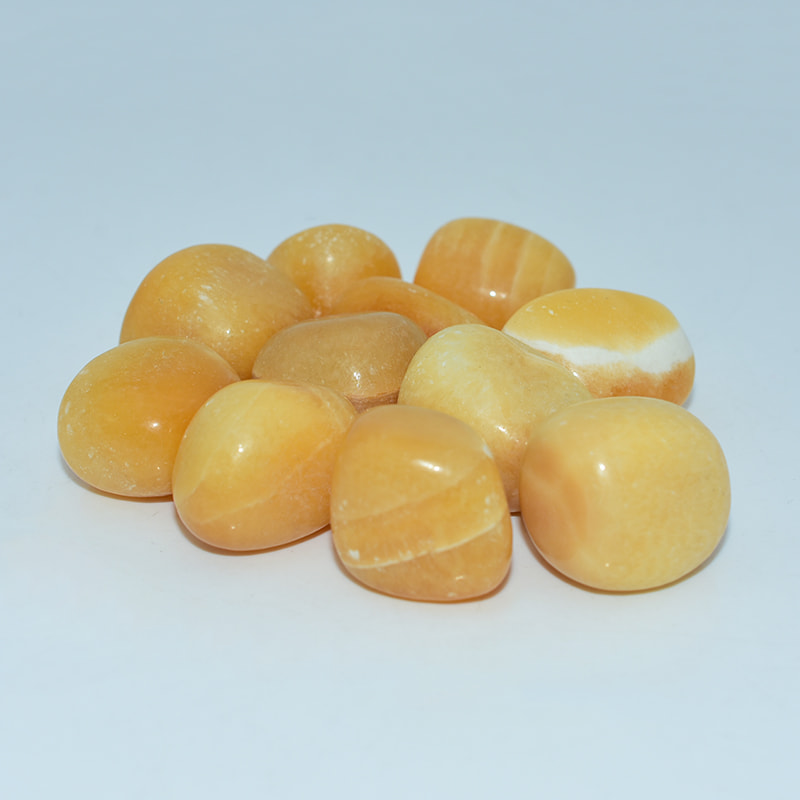
In most supply chains, Orange Calcite shows up more as chunky masses than sharp, standalone crystals, so bulk orders often focus on tumbled stones, polished freeforms, towers, spheres, palm stones, and beads. For retail shelves, tumbled pieces sell well as “pocket stones,” while larger polished pieces are popular for décor displays and gift bundles. For jewelry makers, beads and simple pendant blanks are the most common orange calcite crystal formats—just make sure the polish is even and the edges are clean to minimize micro-chips during shipping.
Orange Calcite Benefits for Daily Life (No Overclaims)
Creativity + momentum (how customers describe it)
Many shoppers describe Orange Calcite Benefits as the “spark” that helps them feel more motivated to start a project, brainstorm new ideas, or simply stay upbeat while working toward a goal. A practical way to test this for yourself is to treat it like a focus tool: keep a piece on your desk, pick it up before a work session, and set one clear intention (finish a draft, list next steps, or sketch concepts). This is an easy, no-pressure way to use orange calcite in daily routines.
Confidence & goal-setting language that’s safe for marketing
For product descriptions, keep Orange Calcite Benefits framed as mindset support rather than a promise. You can explain Orange Calcite meaning in simple, shopper-friendly terms: many people see it as a bright “action stone” that encourages self-belief, creative confidence, and a positive reset when they feel stuck. Good, compliant wording includes phrases like “often used as a reminder,” “associated with,” and “helps you stay focused on intentions,” instead of medical or guaranteed outcomes.
Astrology angle (include Taurus request carefully)
Some customers also shop by zodiac, so it can help to mention that orange calcite is sometimes linked—by modern crystal users—to steady motivation and enjoyment of the present moment. For Taurus buyers in particular, you can position orange calcite benefits for taurus as a “keep-it-moving” companion: a bright, cheerful stone that people may use when they want to feel more inspired, less stubbornly stuck, and more open to small changes. Keep the language experiential, not absolute.
Orange Calcite Chakra and How to Use Orange Calcite
Chakra association (Sacral + Solar Plexus) in buyer-friendly terms
In crystal shops, Orange Calcite is most often discussed as a Sacral Chakra stone, and many people also connect it with the Solar Plexus—two centers commonly associated with creativity, emotions, confidence, and personal drive. When customers ask about Orange Calcite Chakra alignment, you can explain it in practical language: it’s a bright “get-moving” companion some people use when they want to feel more inspired, more present in their body, and more willing to take the next step.
Simple routines (desk stone, pocket carry, creative corner)
A simple way to work with Orange Calcite is to choose one routine and keep it consistent for a week. If you’re at work, place a small piece near your keyboard as a visual cue to start tasks you’ve been avoiding. On busy days, carry a tumbled stone in a pocket and touch it when you need a quick reset. At home, create a “creative corner” by setting the stone near a journal, sketchbook, or vision board—this is one of the easiest ways to explore Orange Calcite Benefits without making it complicated.
Cleansing & charging (careful with water; keep it practical)
For care, treat Orange Calcite as a softer stone. A quick rinse is usually fine, but long soaks aren’t ideal, and you’ll want to dry it thoroughly to protect the polish—especially if it’s set in jewelry. Many people prefer dry methods like smoke cleansing or placing it on a clean cloth overnight. For charging, brief morning sunlight on a windowsill works well, but avoid harsh heat. Keeping your routine simple helps preserve the surface while you continue enjoying Orange Calcite Benefits.
Meditation mini-script (intention setting, placement, time length)
To meditate with Orange Calcite, start with a short session you can actually repeat: 5–10 minutes is enough. Hold the stone in your hand or rest it on your lower abdomen, take slow breaths, and set one clear intention—“I’ll take one brave step today,” or “I’ll stay open to new ideas.” Then visualize warm orange light moving through your body, like a gentle sunrise, and notice what thoughts come up. Used this way, Orange Calcite Benefits function as a focused reminder, not a miracle cure.
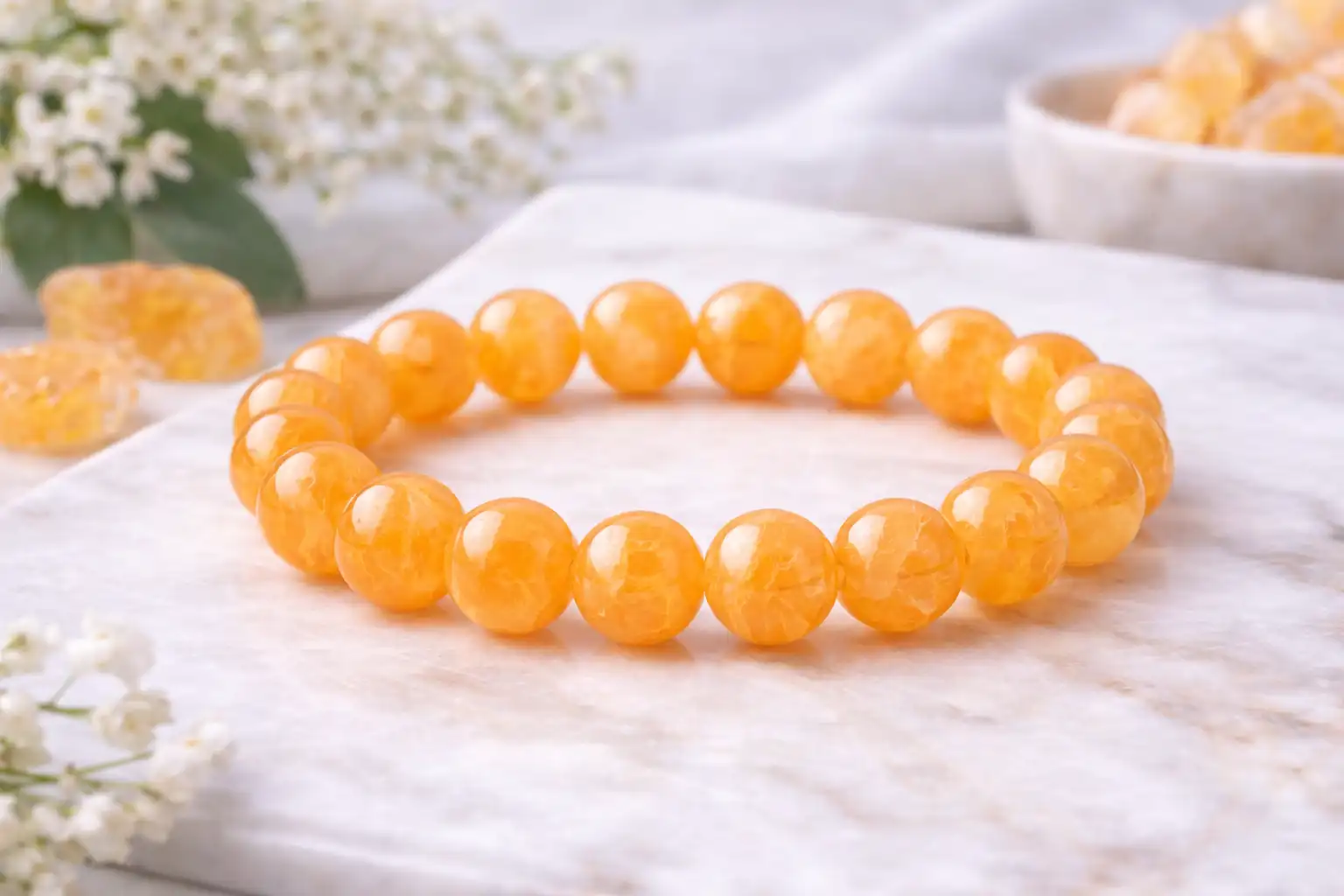
Orange Calcite Jewelry: Bracelet, Necklace, and Best-Selling SKUs
Orange Calcite Bracelet (bead sizes, drill quality, stretch cord tips)
For an Orange Calcite Bracelet, the best-selling bead sizes are usually 6mm, 8mm, and 10mm—easy for stacking and gift sets. In wholesale batches, check drill holes for clean edges (no sharp chips), consistent hole diameter, and even polish, because calcite is softer and can nick during stringing or transit. For stretch styles, use quality elastic and consider small spacer beads to reduce bead-to-bead friction. This keeps the finish looking glossy longer while highlighting Orange Calcite Benefits.
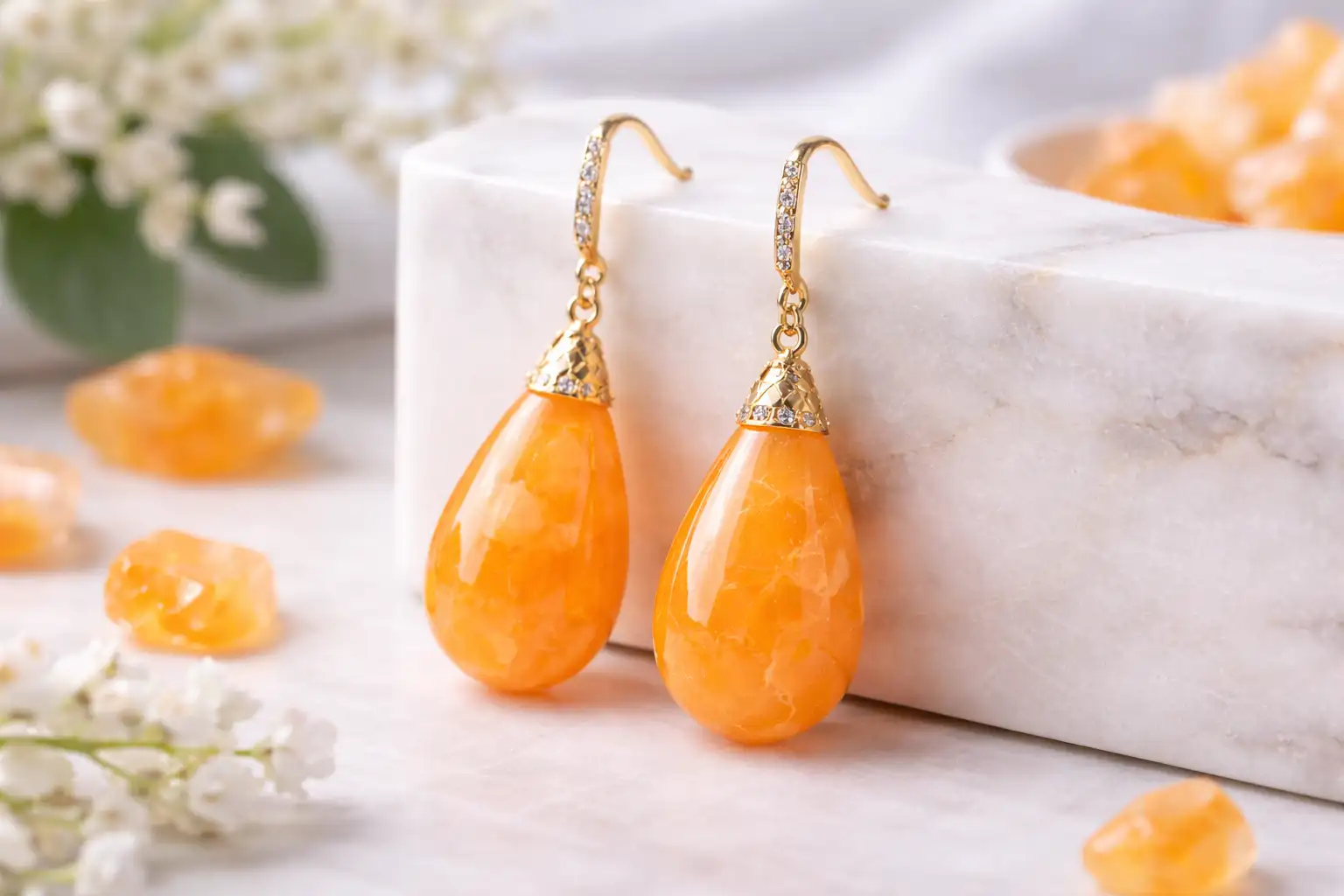
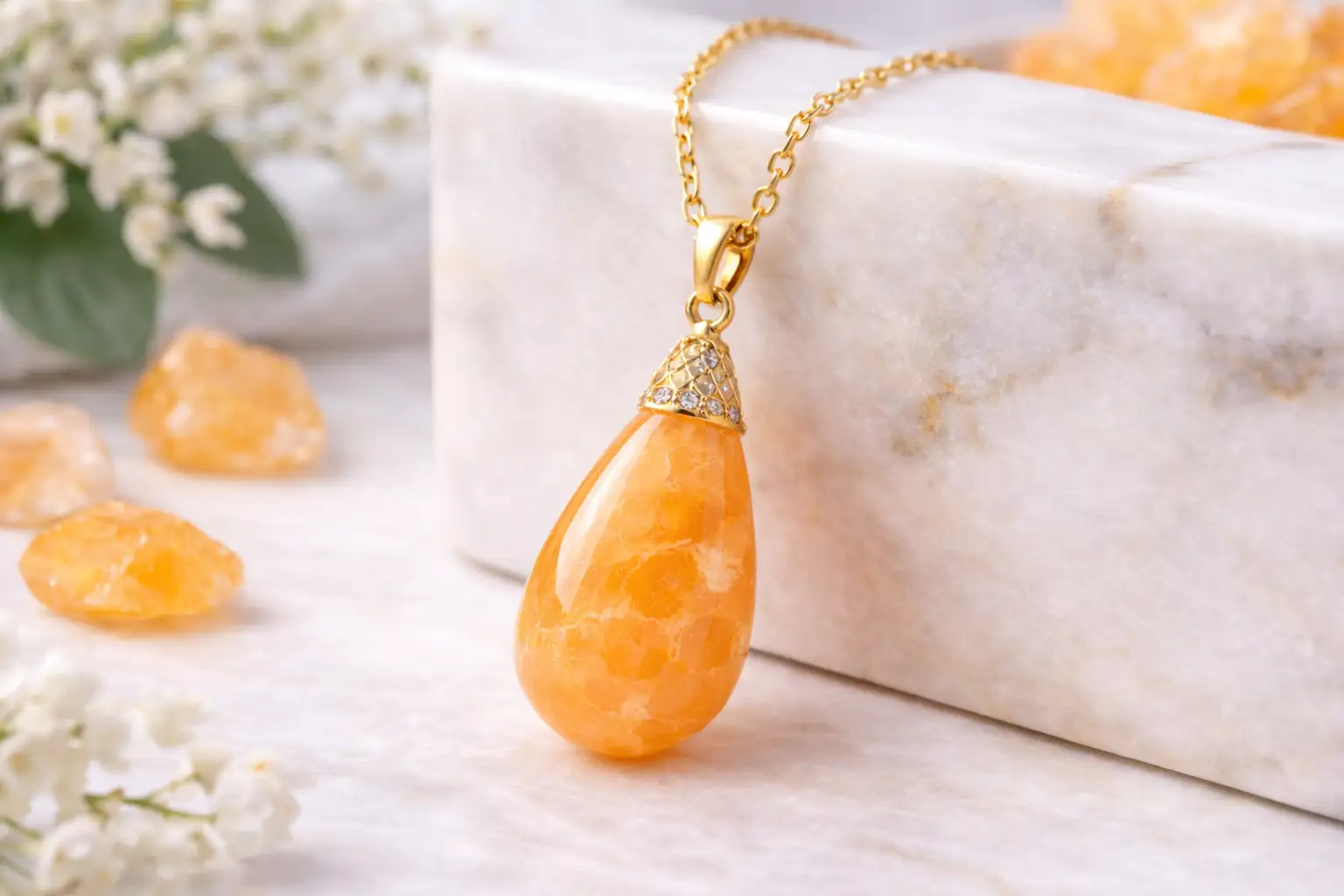
Orange Calcite necklace (pendants/cabs + pairing with metals/colors)
For an Orange Calcite necklace, pendants and simple cabochons photograph beautifully and pair well with warm metals like gold-tone or rose-gold-tone findings. To protect the stone’s softer edges, use bezel settings or smooth prongs instead of sharp, exposed corners. On product pages, weave Orange Calcite Benefits into the description early, then describe the look (peach-to-amber glow, cloudy bands) and finish with a brief care note so customers know how to keep their jewelry looking its best.
Care card + packaging suggestions to reduce returns
Because calcite scratches easily, a simple care card can cut “arrived damaged” complaints. Keep it to three lines: store separately in a soft pouch, avoid hard knocks and harsh chemicals, and wipe with a soft cloth after wearing. For shipping, bag pieces individually (especially beads and pendants) and add foam or bubble protection to prevent rubbing. For stock photos, bead-hole specs, and packing options, message us on WhatsApp—or use the inquiry form for a bulk quote that fits your Orange Calcite Benefits positioning.
Orange Calcite vs Citrine (and Other Calcites) for Collection Building
Orange calcite vs Citrine: quick comparison shoppers understand
When customers ask Orange calcite vs Citrine, the fastest explanation is: citrine is quartz (harder and often clearer), while orange calcite is calcite (softer, usually more creamy or banded). Citrine often reads “golden-yellow” and transparent; orange calcite tends to look “peach-to-amber” with a milky glow. For daily-wear jewelry, citrine generally tolerates scratches better, while orange calcite shines in cozy, affordable statement pieces—where Orange Calcite Benefits are marketed as a bright, uplifting vibe.
“Which calcite for what?” comparison map (bundle/upsell ready)
If you’re building a calcite collection, think in “moods” customers can understand. Orange Calcite Benefits are usually positioned around creative momentum and warm optimism, while Green Calcite benefits are often framed as soothing, heart-centered calm. Blue Calcite benefits are commonly described as calming support for clear communication and restful vibes. Honey calcite benefits are commonly marketed for confidence and focus, and yellow calcite benefits for cheerful energy and clarity. If you carry Caribbean material too, caribbean calcite benefits can be described as a gentle, beachy calm for relaxing spaces. Used together, these bundles make gift sets feel intentional and easy to choose.
Bundle ideas (starter kits, zodiac bundles, gift sets)
For bundles, keep it simple: pair orange calcite with one “calming” stone and one “focus” stone so customers feel they’re getting a balanced set. A starter kit could include an orange pocket stone, a green calcite tumble, and a small honey/yellow calcite piece for a three-step routine (spark → soothe → focus). For zodiac merchandising, add a short card with a neutral line like “many people associate this set with creativity and confidence.” Done right, Orange Calcite Benefits become the theme that ties bundles together without overpromising results.
Orange Calcite Price: Retail Signals vs Wholesale Pricing Logic
What really drives cost (grade, clarity, color consistency, polish, waste)
Orange Calcite price can look “all over the place” online because sellers may be showing totally different grades, sizes, and finishes. In wholesale, cost is usually driven by color saturation (bright orange vs pale peach), visual cleanliness (clouds, white banding, pits), size consistency (especially for beads), and the quality of the polish. Wastage also matters: softer calcite can chip during cutting, drilling, and transit, which affects yield. These factors help explain Orange Calcite Benefits collections’ price gaps without hype.
Price by SKU (beads vs carvings vs raw) + how buyers compare fairly
To compare fairly, match “like with like.” Beads are priced around consistency—uniform color, tight size tolerances, clean drilling—so a smooth 8mm strand may cost more than mixed, lower-grade lots. Carvings and polished pieces depend on workmanship and surface quality: crisp edges, even curves, and fewer scratches. Raw pieces can be cheaper per gram but may have more natural variation. When planning your lineup, tie the SKU to the story you’re telling—giftable jewelry, décor displays, or pocket stones—so Orange Calcite price supports your margins.
Copy/paste RFQ checklist (cuts negotiation time)
To get a fast, accurate quote, send a short RFQ with specifics—this is where Orange Calcite Benefits content meets real buying decisions. Include: product type (beads/pendants/raw), target grade (A/AA or your photo reference), size range (e.g., 8mm beads), hole size and tolerance, finish (high polish/matte), quantity (MOQ per SKU), and target delivery date. Clear inputs reduce back-and-forth and help you compare apples to apples across suppliers.
To keep your Orange Calcite Benefits lineup consistent, add packaging requirements (individual bags/sleeves, inner box for pendants), destination and shipping method, plus any testing requests (chip check, scratch check). If you need quick confirmation, WhatsApp us the reference photos and specs so we can match stock in real time. For an official quote with MOQ, lead time, and shipping options, submit the same details through your inquiry form.
Wholesale Notes: Sourcing, QC, Shipping
How we select lots (grade rules buyers can verify)
When we source orange calcite crystal lots for wholesale, we focus on criteria you can verify from photos and sample checks: color consistency across the batch, surface finish (no chalky patches after polishing), and edge stability (fewer micro-chips on corners and drill exits). We also separate lots by “display grade” versus “value grade,” because some shops want vivid color for hero photos, while others prefer natural banding for a softer look. Clear grading helps you align Orange Calcite Benefits messaging with the exact visual style you’re selling.
Jewelry QC checklist (drill, chips, polish, uniformity) + honest limits
For jewelry, QC matters more than metaphysical copy. Before packing, we typically check bead strands for consistent diameter, smooth polish, and clean drill holes (no sharp rims that can cut elastic). For pendants and cabs, we look for stable edges and even thickness so settings sit properly. We also flag calcite’s honest limitation: it’s a softer stone, so “everyday rough wear” can cause scratches over time. Clear care guidance keeps customers happy while still highlighting Orange Calcite Benefits in a realistic, lifestyle-friendly way.
Packing & delivery (Mohs 3 risk control, replacement suggestions)
Because Orange Calcite is softer, packing is your easiest margin protection—separate pieces so they don’t rub, cushion jewelry with foam or bubble wrap, and use inner boxes for pendants to prevent corner hits. For bead strands, individual sleeves or bags reduce surface scuffs. Set a simple on-arrival replacement rule and keep a small buffer quantity for quick resends; it keeps Orange Calcite Benefits SKUs profitable. Want packing photos or current stock videos? WhatsApp is fastest, and the inquiry form works best for official pricing and lead times.
FAQ
What are Orange Calcite Benefits for beginners?
Most beginners use it as a bright “momentum stone”—a visual and tactile reminder to start, create, and stay upbeat. Keep expectations grounded: many people associate orange calcite with motivation and joy, but results vary by person. A simple way to begin is to place a small piece where you work or journal, set one intention, and use it consistently for a week while you track how you feel and what habits you build.
Which Orange Calcite Chakra is it most associated with?
When people talk about Orange Calcite Benefits, they most often link orange calcite to the Sacral Chakra, which many people connect with creativity, emotions, and pleasure, and it’s also sometimes paired with the Solar Plexus for confidence and personal drive. A simple way to explain it to customers is: sacral = “creative flow,” solar plexus = “take action.” If someone is new, suggest trying it during journaling or a short meditation and noticing the mood shift.
How do I use orange calcite day to day?
For Orange Calcite Benefits in everyday routines, start with one simple habit and keep it repeatable. Place a small piece on your desk as a visual cue to begin creative work, carry a tumbled stone in your pocket for quick resets, or keep it near your journal to support intention setting. If you meditate, hold it in your hand or rest it on your lower abdomen for 5–10 minutes while you focus on one goal. Consistency matters more than complicated rituals.
Orange calcite vs Citrine—how can I tell them apart quickly?
The easiest shortcut is to compare look + hardness. Citrine is quartz, so it’s usually clearer and more durable for daily-wear jewelry. Orange calcite is typically more creamy, banded, or cloudy, and it scratches more easily, so it’s better for gentle wear, statement pieces, or décor. Color also helps: citrine leans golden-yellow, while orange calcite often reads peach-to-amber. When in doubt, ask for close-up photos in natural light.
Why does Orange Calcite Benefits pricing vary so much in bulk?
Most of the spread comes from grade and consistency: brighter, more uniform orange color costs more than pale or heavily banded lots, and smooth high polish adds labor. Beads also need tight size tolerance and clean drill holes, which increases sorting time and waste. Shipping protection can affect landed cost too, because softer calcite needs better cushioning to avoid chips. If you want apples-to-apples pricing, quote the same SKU, size, and grade reference photos.
Can I use the phrase Orange Calcite Benefits in marketing without making medical claims?
Yes—if you keep it in “lifestyle and intention” language. Use phrases like “many people associate,” “often used as a reminder,” or “popular for meditation and creative routines,” and avoid saying it can treat illnesses, change hormones, or guarantee results. A short care-and-disclaimer line can help, too: “Crystals are for personal enjoyment and are not a substitute for professional medical advice.” This keeps your product page persuasive and compliant.
Is orange calcite good for bracelets and necklaces, and how do I care for it?
Yes—Orange Calcite Benefits collections can work well in bracelets and necklaces, as long as you treat the stone gently. For bracelets, avoid wearing it next to harder stones or metal-heavy stacks that can scratch the surface. For necklaces, protective settings (like smooth bezels) help prevent edge chips. Store pieces separately in soft pouches, keep them away from harsh chemicals, and wipe with a soft cloth after wearing. If you’re buying in bulk, ask for packing that prevents rubbing, because shipping scuffs are the #1 issue with softer stones.
Closing (conversion close)
If you’re building a new drop or restocking best-sellers, the fastest way to choose the right orange calcite jewelry grades is to review real photos and match them to your target price point. Reach out on WhatsApp for current stock videos, bead-hole specs, and bundle ideas, or use the inquiry form for an official quote with MOQ, lead time, and shipping options. With the right grading and packaging, you can sell Orange Calcite Benefits as a bright, creative lifestyle theme—while keeping expectations honest and customer satisfaction high.
Conclusion
Whether you’re launching a new drop or restocking, the easiest way to avoid surprises is to match grade to your target customer, confirm details with natural-light photos, and ship with anti-rub protection—especially for Orange Calcite jewelry. Message us on WhatsApp for current stock videos, bead-hole specs, and bundle suggestions, or submit the inquiry form for a formal quote with MOQ, lead time, and shipping options. With consistent grading and clear care guidance, you can market Orange Calcite Benefits as a bright lifestyle theme while keeping expectations honest and returns low.
References / Sources
Mindat.org — Calcite mineral data (chemistry, crystal system, hardness)
https://www.mindat.org/min-859.html
Handbook of Mineralogy — Calcite (mineralogical properties)
http://www.handbookofmineralogy.org/
Encyclopaedia Britannica — Calcite (overview)
https://www.britannica.com/science/calcite
USGS (U.S. Geological Survey) — Calcite/limestone context & mineral resources (for geology background)
https://www.usgs.gov/
NIST Chemistry WebBook — Calcium carbonate basic data (CaCO3)
https://webbook.nist.gov/
ISTA Packaging Standards — Packaging test procedures (for shipping/packaging authority)
https://ista.org/