Pink Amethyst Meaning: A Wholesale Buyer’s Guide to Quality, Price, and Best-Selling Shapes
Written by: Rocrystal Team, Last Update Time: January 2, 2026
Pink amethyst is easiest to buy when you know what it is and what it isn’t.
This guide is written for shoppers and wholesale buyers.
If you’re here for Pink Amethyst Meaning, you’re probably doing one of two things: choosing a piece for yourself, or deciding what to stock for customers. This guide is written for both. You’ll also see clear, non-medical wording you can safely use on product pages. We’ll keep the spiritual language grounded and belief-based, then shift into the practical details that actually affect purchasing—quality cues, common shapes, pricing drivers, care notes, and what to ask a supplier before you place a wholesale order.
This isn’t a “mystery crystal” article that makes big promises. It’s a buying guide designed to help you pick pieces that look good in real life, arrive safely, and sell with fewer returns. If you’re sourcing for a shop, I can share recent batch photos and natural-light videos so you can judge color and texture accurately before committing. Message us on WhatsApp for availability and quick recommendations, or use the inquiry form if you want a formal quote with MOQ, tiered pricing, and packing/shipping options.
Pink amethyst is a quartz variety with distinctive textures and soft pink-to-lavender tones.
What it is in plain mineralogy terms.
In plain terms, pink amethyst is a quartz-family crystal (silicon dioxide) with a Mohs hardness around 7, so it’s fairly durable but not indestructible. 【1】【2】 Instead of big, clear single points, it’s often sold as druzy coatings, clusters, or geode interiors with tiny sparkling crystals and a soft pink-to-lavender cast. Knowing these natural textures helps you set realistic expectations for color, transparency, and surface finish—so the story of Pink Amethyst Meaning matches what customers see when they open the box.
Why the color looks pink (without sounding “mystical”).
The blush tone is often attributed to microscopic mineral inclusions and trace elements in the quartz as it forms. Some sellers describe tiny hematite (iron-oxide) inclusions as one contributor, while others point to iron chemistry and natural irradiation that can shift quartz colors over time. In real inventory, that means you’ll see variation: some pieces lean peachy-pink, others lavender, and many show white zoning or clear patches. That visual range is normal for Pink Amethyst Meaning listings. 【3】【4】
Where supply usually comes from and why batches vary.
Most commercial supply is marketed as coming from South America—especially Brazil, with some listings also mentioning nearby regions—though exact origin can vary by seller and lot. That “new-to-market” story is why people ask, is pink amethyst rare; in practice, what’s rarer is consistent, high-grade color and clean druzy sparkle across a whole batch. Since many pieces come from geodes and clusters, texture, crystal size, and color zoning naturally change lot to lot, so Pink Amethyst Meaning products won’t look identical. 【2】
Pink amethyst meaning is best framed as a belief-based symbol, not a health promise.
The core themes most buyers look for.
When people search Pink Amethyst Meaning, they’re usually looking for a gentle, heart-centered message they can connect to—especially for gifts or personal routines. In crystal communities, it’s often associated with compassion, emotional softness, and calmer communication, like a reminder to slow down and respond with more patience. For shoppers, that can simply mean choosing a piece that feels comforting on a desk or nightstand. For sellers, it’s a story that supports intention-setting without claiming results.
Heart-focused language, chakra talk, and how to keep it grounded.
In many traditions, pink amethyst is linked to the heart chakra, so shoppers may describe it as supportive for compassion, forgiveness, and healthier emotional boundaries. If you mention Pink amethyst heart meaning, keep it practical: it’s a symbol people use to practice self-kindness and clearer communication, not a guarantee that emotions will “heal” overnight. A simple way to phrase Pink Amethyst Meaning on a product page is: “Often used as a gentle reminder to lead with empathy and calm.”
Copy you can safely use on product pages.
Here’s a buyer-friendly way to describe Pink Amethyst Meaning without overpromising: “Many people associate this stone with heart-centered intentions like compassion, calm, and gentle self-reflection. It’s often used in mindfulness routines, meditation, or as a comforting décor piece.” If you want a simple disclaimer, add: “Crystal meanings are belief-based and are not medical advice.” For wholesale listings, also include what’s measurable—shape, size range, finish, and natural color variation—so expectations stay aligned.
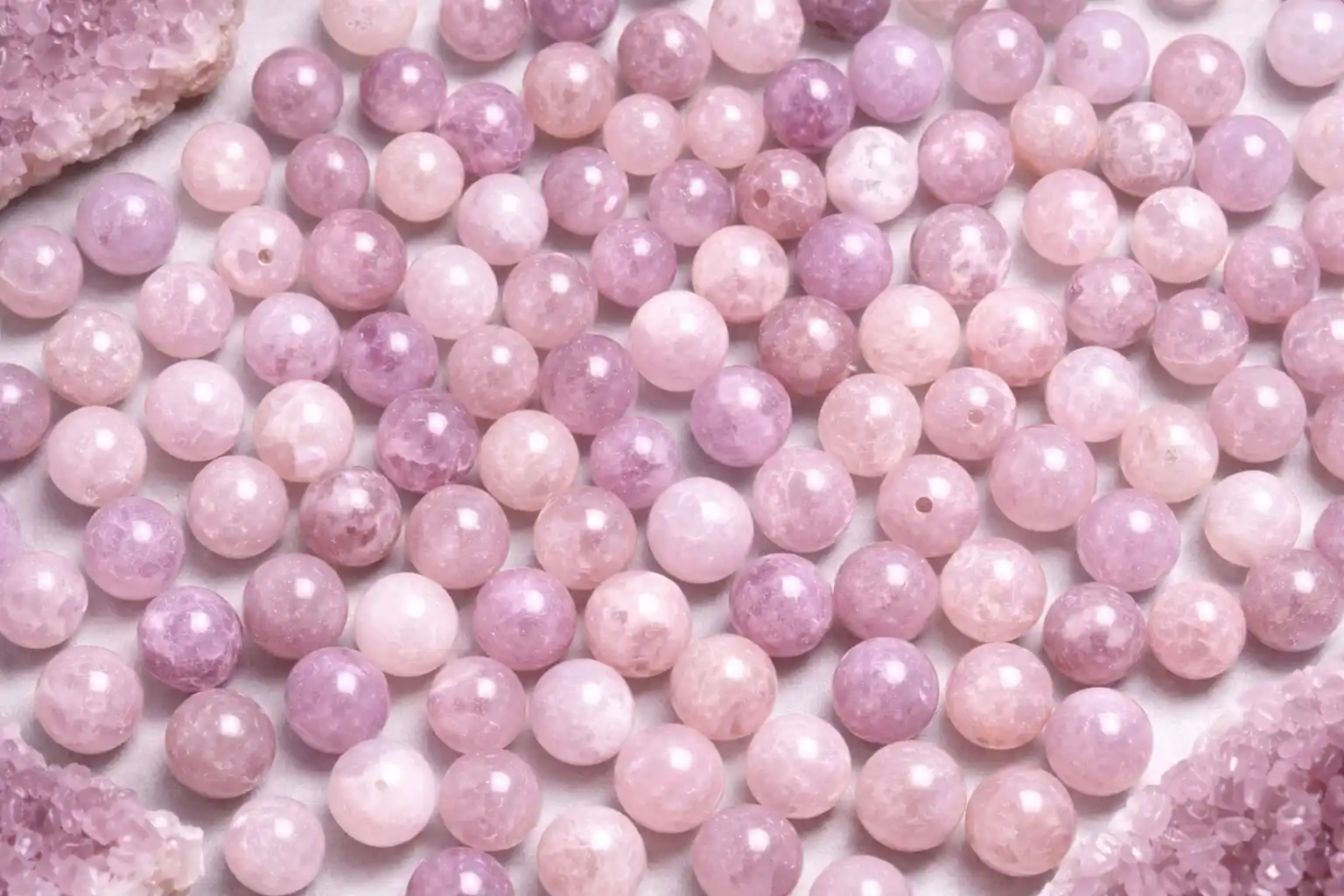
Smart comparisons make pink amethyst easier to choose and easier to sell.
Pink amethyst vs purple amethyst: look, vibe, and typical buyers.
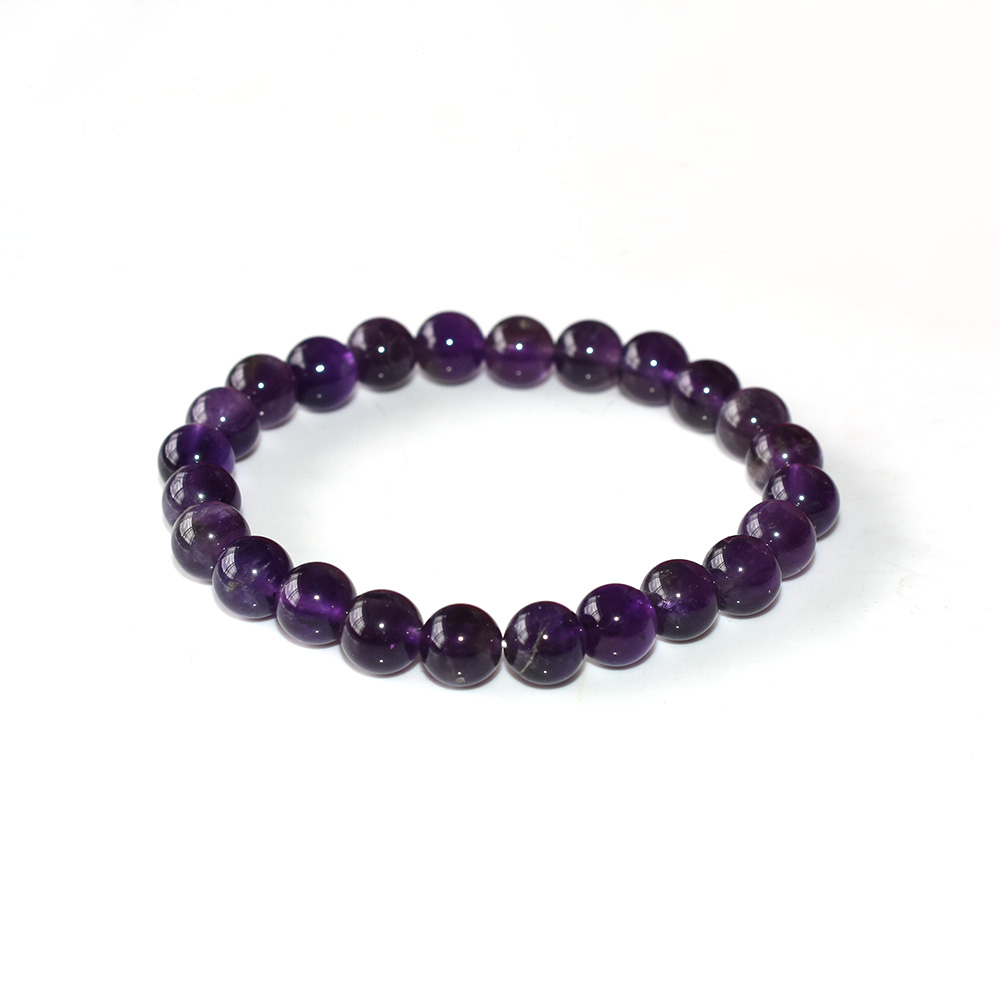
When shoppers ask Pink amethyst vs purple amethyst, they’re usually comparing mood, color depth, and gifting style. Purple amethyst tends to read bolder and more “classic,” often marketed around clarity, focus, and spiritual themes, while pink amethyst feels softer and more romantic, which helps with gift-led displays. For retail and wholesale assortments, consider stocking both as a “same family, different vibe” set—then match finishes and sizes so the collection looks intentional and supports your Pink Amethyst Meaning story.
Pink amethyst vs rose quartz: why customers confuse them.
The biggest reason people mix up Pink amethyst vs rose quartz is simple: both sit in the pink color family and both are commonly tied to heart-centered themes. Visually, rose quartz is often more translucent and uniform in tone, while pink amethyst frequently shows a cloudy body with sparkling druzy texture, white zoning, or lavender undertones. In a shop setting, the easiest way to explain the difference is “smooth and glassy” versus “sparkly and crystalline.” That quick comparison supports Pink Amethyst Meaning shoppers who just want the right look.
Where “Pink Amethyst Flower Agate meaning” fits in a shop.
People also search Pink Amethyst Flower Agate meaning, but flower agate is a different look and pattern style that’s usually sold for its “blooming” visuals rather than amethyst identity. If you carry both, treat them as a soft-toned collection: pink amethyst for sparkle and druzy texture, flower agate for creamy chalcedony with floral plumes. The key is labeling clearly so customers don’t expect the same transparency or crystal structure. Done well, this cross-merchandising can lift average order value while keeping your Pink Amethyst Meaning messaging consistent.
Best-selling shapes translate meaning into products customers actually buy.
Towers are easy to merchandise and price in tiers.
A Pink Amethyst Tower is one of the most retail-friendly shapes because it’s stable, easy to photograph, and simple to size-grade. For shoppers, towers feel like “everyday décor” that still carries a gentle intention; for store owners, they’re perfect for tiered pricing by height and weight. When you write Pink Amethyst Meaning for towers, keep it simple—calm, compassion, and a softer vibe—then let the real differentiators be measurable: color tone, sparkle, chips on edges, and how flat the base sits.
Geodes and clusters win on wow-factor but need better photos.
A Pink Amethyst Geode (or druzy cluster) usually sells on first impression—the sparkle, texture, and “one-of-a-kind” interior. The downside is that lighting can exaggerate color, so accurate photos matter more than poetic copy. For e-commerce, use natural light plus one close-up that shows crystal points and any white zoning. For wholesale, ask for a short video sweep of each face to confirm the sparkle and check for broken tips. That practical approach keeps Pink Amethyst Meaning aligned with what customers actually receive.
Hearts sell as gifts when the story stays simple.
Heart carvings are popular because they instantly communicate intention, especially for self-care gifting. If someone asks about amethyst crystal meaning, you can frame it as a symbol of tenderness, empathy, and steadier emotional boundaries—without claiming it will “fix” a relationship or remove stress. On the product side, heart pieces are also where finishing matters: check the polish for dull patches, inspect edges for tiny chips, and confirm the carving sits comfortably in-hand. A clean finish plus a grounded Pink Amethyst Meaning description usually converts well.
Jewelry components should be described with durability and care in mind.
A Pink Amethyst Ring can be a beautiful daily-wear piece, but buyers should understand what “durable” really means. With quartz hardness around 7, it resists light scratching yet can still chip if knocked against countertops or gym equipment—so the setting matters. Recommend protective prongs or a bezel for frequent wear, and suggest removing it for heavy cleaning, workouts, or swimming. For sellers, clear care notes reduce returns and keep your Pink Amethyst Meaning messaging credible and practical.
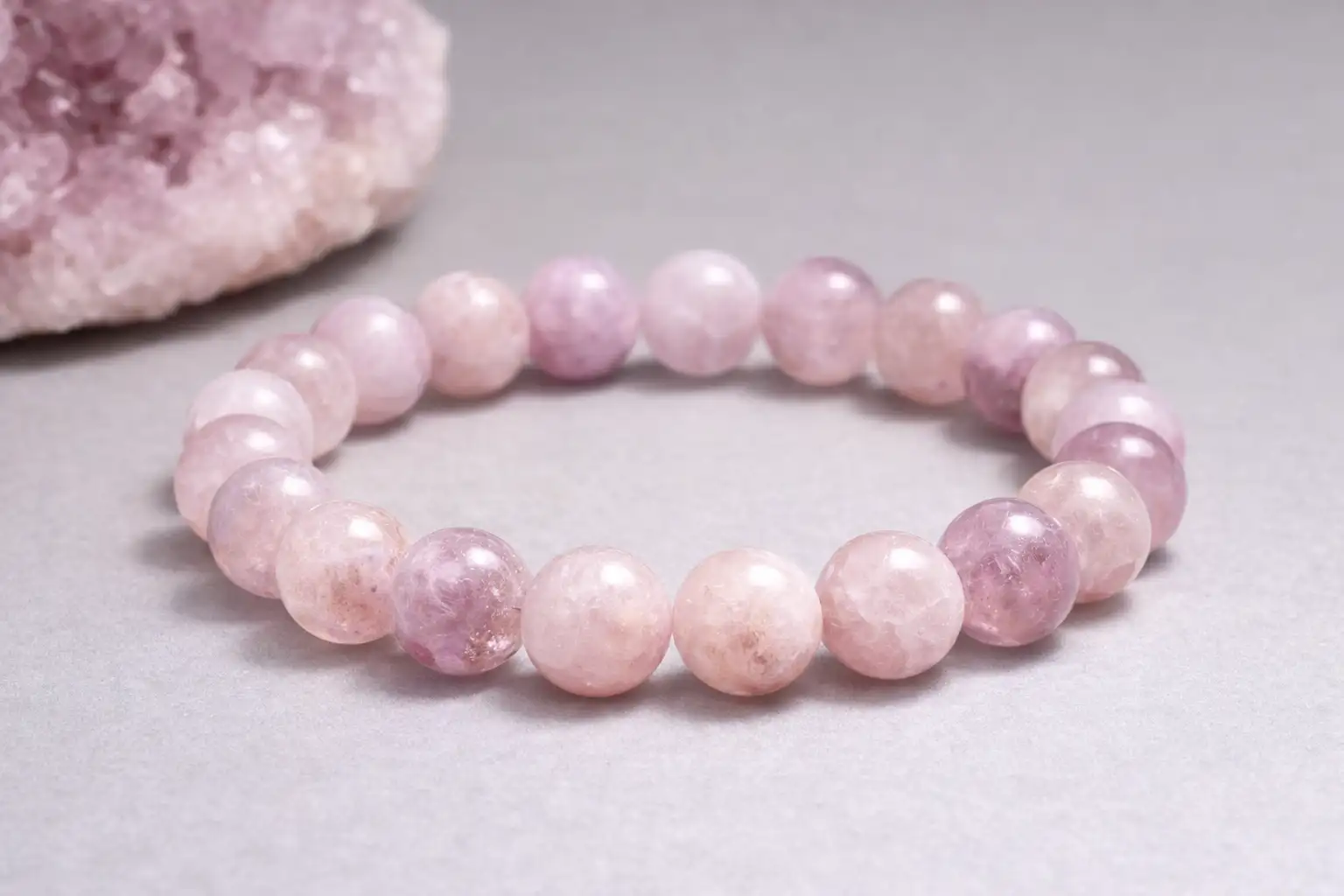
Wholesale quality checks protect margins and reduce returns.
A practical grading checklist (how we review a batch).
Before we approve a lot, we run a simple, repeatable QC checklist so customers get what they expect from the Pink Amethyst Meaning story and the physical product. We check color tone and zoning under natural light, then inspect druzy sparkle and crystal tips for breakage. Next is structure: cracks, repaired spots, excess glue on bases, and any surface that looks unnaturally uniform. For carvings and towers, we confirm edge finish and that the piece sits flat and stable for display.
Treatments, enhancements, and what to disclose.
In the broader crystal market, you may encounter pieces that are dyed, coated, or repaired to improve color and surface appearance. That doesn’t automatically make an item “bad,” but it does change how you should price it and how you describe it to buyers. For transparent sourcing, ask suppliers whether any color enhancement, resin filling, or surface coating was used, and request natural-light photos that show real zoning and texture. Clear disclosure protects trust, and it keeps your Pink Amethyst Meaning page from drifting into hype.
Buyer-friendly ways to spot suspicious pieces.
If you’re trying to avoid questionable material, start with the visuals. Extremely bright, perfectly even color across a whole lot can be a red flag, especially if the price feels too low. Look closely at cracks and tiny pits—dye can sometimes concentrate there, creating unnatural darker lines or “pooling.” Also watch for a plastic-like shine that looks more like a coating than natural druzy sparkle. The safest move is to request a quick natural-light video of the batch, so Pink Amethyst Meaning marketing matches the real stone in hand.
Price and rarity depend on grade, shape, and consistency—not hype.
The biggest drivers behind pink amethyst pricing.
Pink Amethyst price can swing widely because sellers aren’t always grading the same way. In general, cost rises with cleaner druzy sparkle, fewer broken crystal tips, and a more even pink-to-lavender tone. Size matters too, but not as much as quality—especially for geodes where interior beauty is the real value. Cutting and finishing add cost for towers and carvings, and shipping risk also affects pricing for fragile pieces. A clear breakdown helps buyers connect value to what they can actually see in photos.
“Is pink amethyst rare?”—a market-realistic answer.
People ask is pink amethyst rare because it’s often marketed as “new” and tied to a limited-looking supply story. In real buying terms, rarity is less about the name and more about the grade: consistent color across multiple pieces, strong druzy sparkle, minimal damage, and reliable restocks are harder to source than mixed-quality lots. You’ll still find plenty of entry-level material, but premium pieces that photograph well and match across an assortment are less common. That’s the practical way to define Pink Amethyst Meaning inventory as “rare.”
How wholesalers build a profitable assortment.
A practical wholesale approach is to start with a mixed lot to test what your customers actually buy—then reorder the winners in size tiers. For example, pair small towers and palm stones as entry items, add mid-tier hearts for gifting, and use one or two standout geodes as “wow” anchors that raise perceived value. When you build assortments this way, you can price by measurable differences instead of vague claims. If you want a formal quote with MOQ, tiered pricing, and packing/shipping options, submit the inquiry form and mention your target styles for a Pink Amethyst Meaning collection.
Care and handling guidance reduces returns for retail and B2B.
Cleaning, water contact, and “water-safe” wording.
For most pieces, gentle cleaning is enough: use a soft cloth, lukewarm water, and a mild soap, then dry completely—especially around druzy points where moisture can sit. Where many crystal pages go too far is “water-safe” wording. A quick rinse for cleaning is different from long soaks or saltwater. For safety, we don’t recommend using crystals to prepare drinking water, since treatments or residues can’t be ruled out. This keeps Pink Amethyst Meaning copy practical and compliant.
Sunlight, display, and shipping notes for fragile pieces.
Like many colored quartz varieties, prolonged direct sunlight can dull or fade color over time, so it’s smarter to display pieces in bright indirect light rather than in a sunny window. For shops, this also keeps photos consistent from season to season. Shipping is the other big factor: druzy clusters and geode edges chip easily, so each piece should be wrapped individually with cushioning that protects crystal points from pressure. If you’re buying wholesale, ask how pieces are packed and what the damage/claim policy is—those details matter as much as the Pink Amethyst Meaning story.
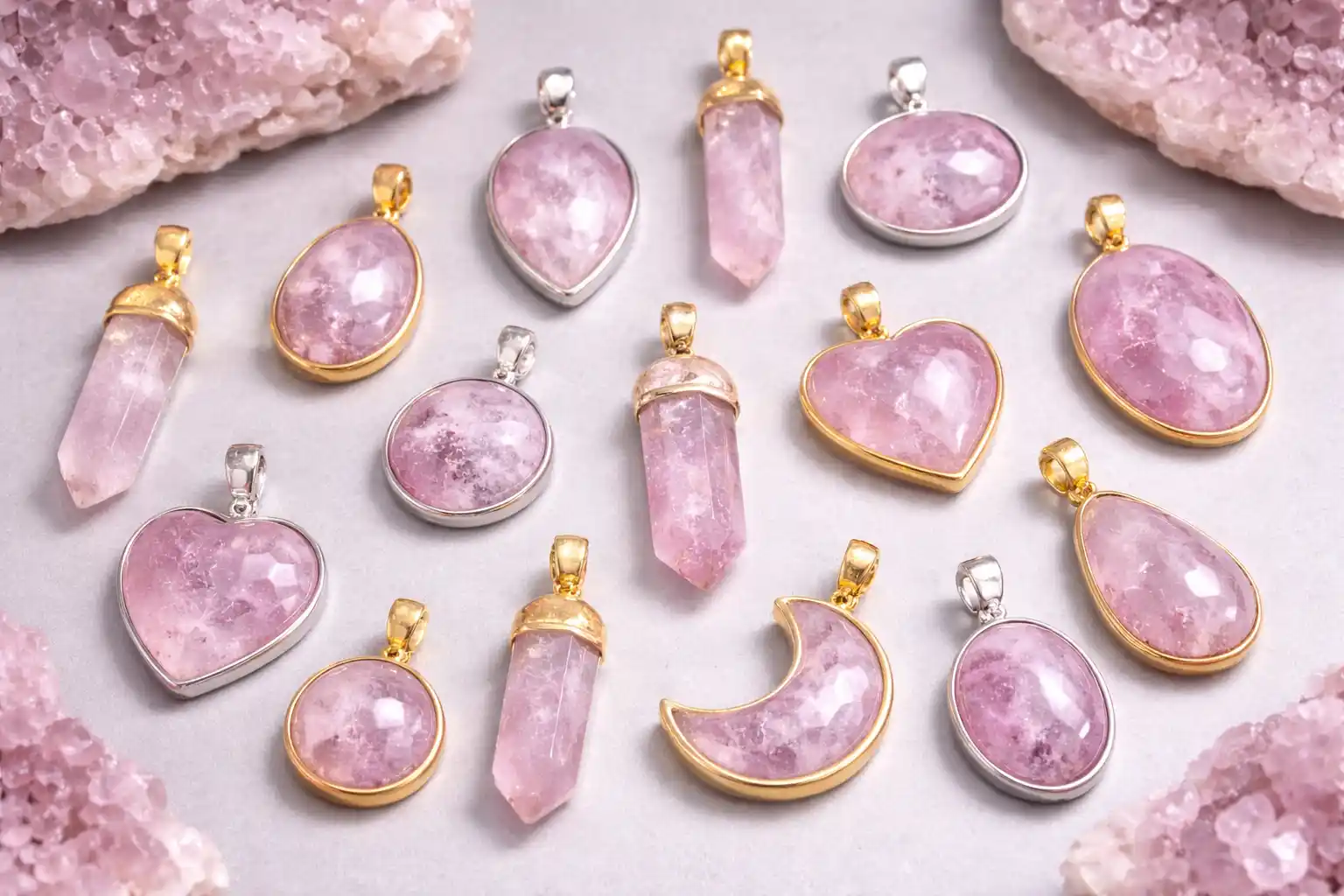
Wholesale ordering is smoother when specs, photos, and QC rules are clear.
What to ask for before paying: specs, photos, and lot rules.
Before you place an order, treat it like any other inventory buy: define your specs, then confirm the lot matches. Ask for size ranges (height/weight), finish type (raw druzy vs polished), and how much natural variation to expect. Request natural-light photos and a quick video sweep so you can judge sparkle, zoning, and any chips. For wholesale, it also helps to agree on simple lot rules—how many pieces per grade, acceptable minor flaws, and whether bases are included. Clear expectations keep Pink Amethyst Meaning products consistent from batch to batch.
How to reorder consistently (and avoid disputes).
Consistency comes from documenting what “good” looks like for your store. Save reference photos from the first successful lot, note the color tone (peachy-pink vs lavender), and write down your acceptable range for zoning and minor chips. When a new batch is offered, compare it against those references under similar lighting, and confirm the grading remains the same. On arrival, do a quick spot-check and photograph any issues immediately for smoother claims. If you want help matching a reorder to your original style, message us on WhatsApp with your reference photos and the Pink Amethyst Meaning items you’re trying to replicate.
FAQ
What does Pink Amethyst Meaning usually point to (in simple terms)?
In simple terms, Pink Amethyst Meaning is most often framed as a gentle, heart-centered symbol—something people use to support intentions like compassion, calmer communication, and emotional steadiness. It’s less about dramatic transformation and more about a daily reminder: slow down, soften your inner dialogue, and show up with a little more patience for yourself and others. If you’re selling it, the most trustworthy approach is to pair that message with clear photos and measurable specs.
Is it actually rare, and what “rare” should mean for buyers?
When people label a stone “rare,” they usually mean one of two things: the material is hard to source consistently, or high-grade pieces are limited. With Pink Amethyst Meaning products, the second point is often the real story. Entry-level pieces are available, but premium lots with strong druzy sparkle, minimal damage, and consistent color across multiple items are harder to secure in repeatable quantities. For wholesale buyers, “rare” should mean stable supply of a specific grade—not just a catchy description on a listing.
Pink amethyst vs rose quartz: which one should I stock first for gifts and fast turnover?
If you’re deciding between Pink amethyst vs rose quartz for gift-driven sales, start with what your customers already recognize. Rose quartz is widely known, usually more uniform in color, and often easier to explain quickly—so it can move faster at entry price points. Pink amethyst tends to win when shoppers want sparkle, a more “special” look, or a geode/cluster texture that feels one-of-a-kind. Many shops do best by stocking both and bundling them as a soft-toned set.
What chakra is it associated with (belief-based), and how do I describe it safely?
In crystal traditions, pink amethyst is commonly associated with the heart chakra, so shoppers may connect it with themes like compassion, forgiveness, and gentler communication. To describe it safely, keep it clearly belief-based: say it’s “often used in meditation or intention-setting” rather than promising it will heal or change someone’s emotions. A clean product description can pair that language with practical details—size, finish, and natural color variation—so customers know what they’re buying beyond the Pink Amethyst Meaning story.
Is it durable enough for daily wear, and what setting tips matter most?
Quartz is around 7 on the Mohs scale, which means it holds up well to everyday use but can still chip if it takes a hard knock. For a Pink Amethyst Ring, the safest choice is a protective setting—bezel or sturdy prongs that sit slightly higher than the stone’s edges—so impacts hit metal first. Encourage buyers to remove rings for workouts, cleaning chemicals, or swimming, and store them separately to avoid scratches. Practical care advice keeps expectations realistic and supports Pink Amethyst Meaning copy without overpromising.
Tower vs geode—what photographs better online and gets fewer returns?
If you want the easiest product to photograph and standardize, towers usually win. A tower has predictable angles, consistent scale cues, and clearer size grading, which helps customers feel confident about what they’ll receive. A geode or druzy cluster can look incredible, but it’s more dependent on lighting, sparkle, and “one-of-a-kind” interiors—so it needs stronger photos and often a short video. For fewer returns, use natural light, show close-ups of crystal points, and disclose chips up front, then let the Pink Amethyst Meaning story support the purchase rather than replace the visuals.
Final take: shop the story, but buy the quality.
The most effective way to sell pink amethyst is to keep the story gentle and believable, then let quality do the heavy lifting. Use Pink Amethyst Meaning as intention-based language—compassion, calm, and heart-centered self-care—while you grade pieces by measurable factors like color tone, sparkle, stability, and finishing. For wholesale buyers, clear specs, natural-light media, and consistent QC rules are what prevent disputes and protect margins. If you want current batch photos and quick recommendations, message us on WhatsApp; for MOQ and tiered pricing, send an inquiry through the form.
About Our Wholesale QC
We’re a wholesale-focused supplier. Before shipping, we grade lots under natural light, check crystal tips/edges for damage, and document color variation so listings match what buyers receive. For druzy clusters and geodes, we can share batch photos and short videos via WhatsApp. For MOQ and tiered pricing, please use the inquiry form.
References & Source Notes
[1] GIA — Amethyst (Mohs hardness 7; care notes)
[2] Encyclopaedia Britannica — Amethyst (quartz variety; color notes)
[3] HyperPhysics — Amethyst color centers (iron + irradiation explanation)
[4] Caltech — Minerals colored by irradiation (amethyst; light fading)