Pyrite Stone Benefits: A Wholesale Buyer’s Guide to Money Uses, Jewelry, Care, and Pricing
Written by: Rocrystal Team, Last Update Time: December 20, 2025
What Pyrite Is and Why It’s Called Fool’s Gold
Quick definition (FeS2, cubic crystals, metallic luster)
Pyrite is an iron sulfide mineral (FeS₂) known for its brassy, metallic shine and naturally sharp, cube-like crystal shapes. Because it can look like real gold at first glance, it’s often nicknamed “Fool’s Gold”—but it’s valued for its own beauty and versatility. The name comes from the Greek pyr (“fire”), since pyrite can produce sparks when struck against metal. You’ll commonly see it sold as natural clusters, cubic specimens, tumbled stones, or set into jewelry. When people talk about Pyrite Stone Benefits, they usually mean a mix of symbolic “money stone” tradition, confidence-focused intention use, and practical decorative appeal—especially for desks, storefront displays, and gift items.
For wholesale and retail buyers, pyrite stone price depends less on “mystical value” and more on measurable factors: form (natural cubes and clean clusters usually cost more than rough pieces), size and weight, surface luster, and how much edge chipping or powdering appears in a lot. Matching also matters—bracelet beads that are consistent in color and shine, or cube sets that look uniform in photos, typically carry a higher cost because sorting time and loss rate are higher. If you’re sourcing for resale, the smartest way to evaluate Pyrite Stone Benefits is to tie the “look + durability + consistency” to your use case (jewelry, décor, or gift sets).
It also helps to clear up a common misunderstanding: “Fool’s Gold” doesn’t mean pyrite is fake or useless—it simply describes how easily it can be mistaken for gold by an untrained eye. In buying terms, the bigger risk is not the nickname, but poor handling and care. When shoppers search Pyrite stone benefits and side effects, they’re often asking practical questions: Can it get wet? Will it tarnish? Can it irritate sensitive skin if worn in jewelry?
Pyrite contains iron, so moisture and harsh chemicals can dull its shine or lead to oxidation over time. And because some pieces shed fine dust or have sharp edges, it’s best to store and handle it thoughtfully—especially for kids, pets, and delicate jewelry settings.
Fool’s Gold vs real gold (fast buyer-friendly cues)
A quick way to separate pyrite from real gold is to look at shape and “behavior.” Pyrite often forms with crisp edges and geometric faces (cubes or clusters), while gold is usually softer-looking and more rounded. Pyrite is also much harder than gold, so it won’t smear or bend like a metal; instead, it can chip if dropped.
If you’re buying for resale, avoid lots that look overly glittery or coated—those can flake, stain, or disappoint customers, which is why searches like Pyrite stone benefits and side effects often include concerns about wear, skin contact, and long-term appearance. For customers who want the classic “Fool’s Gold” look, choose pieces with a consistent brassy tone and clean metallic luster, and include simple care notes to keep them dry.
If you’re sourcing for a shop, brand, or gift line, the most efficient next step is to match your budget to the exact form and size you need—because pyrite stone price can change a lot between cubes, clusters, tumbled pieces, beads, and finished bracelets. Message us on WhatsApp for a fast stock list with sizes, photos/videos, and MOQ, or submit your inquiry form to get a formal quote and packing options for your destination.
Pyrite Stone Benefits for Money, Wealth, and Prosperity (Without the Hype)
What “money benefits” really means (mindset + habits)
When people search for “Pyrite Stone Benefits for Money,” they’re usually looking for something that supports confidence, momentum, and a more opportunity-focused mindset—not a shortcut that replaces real strategy or work. Pyrite’s gold-like look has long made it a symbol of prosperity, so many buyers use it as a visual cue to stay intentional about goals.
In practice, that can look like keeping a piece on a desk during sales calls, wearing it during negotiations, or placing it near a cash register as a daily reminder to stay proactive. Over time, people say it helps with follow-through—clearer priorities, less hesitation, and more consistent action. For retailers, this framing is also safer and more trustworthy than promising “instant wealth,” because it aligns the stone with habits customers can actually practice.
If you’re wondering Pyrite stone benefits how to use in a practical, everyday way, keep it simple and consistent. Many people start by placing a small piece where money decisions happen—your work desk, a cash drawer, or a checkout counter—so it becomes a steady visual trigger for focus and follow-through. Wearing it as a bracelet or pendant can serve the same purpose during meetings, pitches, or creative work sessions. You can also pair it with a short routine: set one clear goal for the day, touch the stone, and take one concrete action that moves the goal forward. Used this way, Pyrite Stone Benefits are less about “magic” and more about reinforcing motivated habits customers can repeat.
Which direction to place pyrite (Feng Shui + room logic)
A common question buyers ask is Pyrite stone benefits which direction—and you’ll see two popular traditions mentioned online. In Feng Shui, many people place pyrite in the southeast area of a home or office (often described as the “wealth corner”) to support prosperity-focused intentions. In Vastu traditions, some prefer the north direction for wealth symbolism.
If you’re selling to a broad U.S. audience, the safest approach is to present this as an optional practice: “Some customers like southeast or north; choose the spot that feels most motivating for your routine.” In practical terms, direction matters less than placement in a high-visibility area—near a desk, cash register, or entryway—where it reinforces daily habits.
If customers ask “pyrite stone benefits how to use,” and they don’t follow Feng Shui or Vastu, give them an easy “room logic” rule: place pyrite where you’ll actually notice it and associate it with productive action. For a home office, that’s usually beside a laptop, planner, or invoice tray. For a retail space, it can sit near the register, on a best-sellers shelf, or by the entryway where shoppers naturally pause. For gift sets, include a simple care/use card: “Keep dry, display near your workspace, and use it as a daily focus cue.” That practical clarity is often what turns interest into repeat purchases—one of the most useful Pyrite Stone Benefits for sellers.
Protection, Boundaries, and “EMF” Searches
What people mean by protection (home/entryway/desk)
In everyday language, “protection” usually means feeling more grounded, less distracted, and less affected by stressful environments—not literal armor. That’s why many customers describe Pyrite stone benefits spiritual as a kind of “boundary” stone: they place it near entryways to set a calm tone when they walk in, keep it on a desk during busy workdays, or wear it when they want a steady, confident mood. You’ll also see people search for pyrite and “EMF,” especially for offices and screens. A practical way to present this is: pyrite is often used as a symbolic reminder to reset your focus and protect your mental space. That framing stays realistic while still matching what crystal buyers expect.
It’s smart to set expectations around comfort and care, because searches like Pyrite stone benefits and side effects often come from people who felt “too stimulated,” noticed a dusty residue from rough pieces, or worried about jewelry contact. Individual sensitivity varies—some people prefer shorter wear periods at first, especially if they’re new to crystals. For physical handling, the most common risk is moisture: damp storage can dull the shine or accelerate oxidation over time.
For shops, a simple buyer note helps a lot: keep it dry, avoid harsh chemicals, and store pieces separately to prevent chipping. This keeps Pyrite Stone Benefits tied to a better customer experience instead of unrealistic expectations.
Creativity, Focus, and Confidence (Why It’s Popular at Work)
For entrepreneurs, students, and creators
Beyond the “money stone” reputation, pyrite is widely used as a focus-and-drive symbol—especially by entrepreneurs, students, and creative teams who want a steady “get it done” mindset. Many buyers describe this as one of the more practical Pyrite Stone Benefits: it becomes a visual anchor for confidence, clear thinking, and follow-through during long workdays. For a simple routine, keep a piece near your keyboard or notebook, set one priority, and treat the stone as your reminder to finish that task before jumping to the next. If your audience is more spiritually inclined, you can frame it as a grounding tool that supports intention-setting without promising any medical or guaranteed outcomes.
For buyers asking Pyrite stone benefits how to use in a work setting, the easiest approach is to connect pyrite to a specific workflow. Keep a cube or cluster where you make decisions (next to your calendar, sales tracker, or invoice folder), then use it as a “start signal” for one focused work sprint.
Jewelry works well for people who move around—bracelets for daily wear, pendants for meetings, and rings for short sessions if the setting is sturdy. For retail shops, pyrite is often merchandised near planners, prosperity-themed gifts, or desk accessories, because the story naturally fits. Framed this way, Pyrite Stone Benefits stay clear and repeatable: it supports focus, confidence, and consistency—without overpromising outcomes.
Astrology: Pyrite for Leo and Other Signs People Search
Astrology keywords (neutral language, no “remedy” claims)
Searches for Pyrite stone benefits astrology usually come from shoppers who want a simple “Which sign is this good for?” answer. Different sources link pyrite to different planetary energies—some mention the Sun and Mars (confidence, drive), while others bring in Mercury or Venus depending on the tradition.
The most buyer-friendly way to present this is as symbolism rather than a guaranteed “remedy.” If someone wants a stone that represents courage, motivation, and a prosperity mindset, pyrite is a popular pick across multiple systems. That also helps retailers stay consistent and compliant—describing how customers use it, without promising outcomes. In that context, Pyrite is mainly about intention-setting and personal meaning, not medical or financial certainty.
Pyrite stone benefits for Leo (what customers expect to read)
For shoppers specifically searching Pyrite stone benefits for Leo, the common theme is “confidence with grounding.” Leo energy is often described as bold, expressive, and leadership-oriented, and pyrite’s golden look naturally matches that solar vibe. Many customers choose pyrite as a reminder to speak up, take action, and stay consistent with goals—especially in career or creative projects.
At the same time, some traditions suggest it can help balance “too much fire” by encouraging steadier focus and practical follow-through rather than impulsive choices. For product guidance, bracelets and desk pieces are the easiest daily options; rings can work too, but only if the setting protects the stone from knocks and moisture. Framed simply, it’s about motivation, presence, and staying grounded while aiming higher.
Which day” and “which hand” (optional beliefs, framed carefully)
Another cluster of questions is about timing and wearing style—things like “Which day should I wear it?” or “left hand vs right hand,” which are often personal or tradition-based rather than universal rules. If someone asks Pyrite stone benefits how to use in this way, you can offer a neutral, shopper-friendly answer: pick a routine you’ll actually follow.
Many people wear a bracelet daily; others wear it during work hours, meetings, or when they need a confidence boost. For “hand” preferences, some customers treat the left hand as “receiving” and the right hand as “active/giving,” but it’s best presented as optional symbolism. What matters most is comfort, consistency, and proper care—keep pyrite dry and avoid harsh chemicals.
Pyrite in Islam: A Respectful, Neutral Explanation
How people approach it (culture vs personal practice)
People searching Pyrite stone benefits in Islam are often looking for reassurance about whether using a stone is acceptable and how to approach it respectfully. Because beliefs and practices can vary by person and by scholarly opinion, the safest way to discuss this is neutrally: pyrite is a natural mineral that some people keep for décor, gifting, or as a personal reminder to stay focused and optimistic.
If someone is concerned about religious boundaries, it’s best to avoid presenting pyrite as a source of guaranteed outcomes or as a substitute for faith-based practice. Instead, frame it as an aesthetic object or a personal symbol—much like keeping a meaningful item on a desk—while keeping intentions grounded in everyday actions. This approach respects different viewpoints and helps buyers make informed, comfortable choices.
Practical options (decor, gifting, non-ritual uses)
For customers who prefer a more practical approach—especially when asking Pyrite stone benefits how to use in a Muslim household—suggest simple, non-ritual options: display a pyrite cube or cluster as natural décor, keep it in an office for motivation, or include it in a gift set as a beautiful mineral specimen.
If the buyer wears it as jewelry, focus on craftsmanship and care rather than “powers”: keep it dry, avoid perfume and sweat buildup, and store it separately to protect the metallic luster. You can also offer a short, respectful product card that avoids spiritual claims and instead highlights appearance, mineral facts, and maintenance. This keeps the experience comfortable, culturally considerate, and aligned with real-world use.
Jewelry Guide: Pyrite Bracelet and Pyrite Ring
Pyrite bracelets: why they sell and how to wear
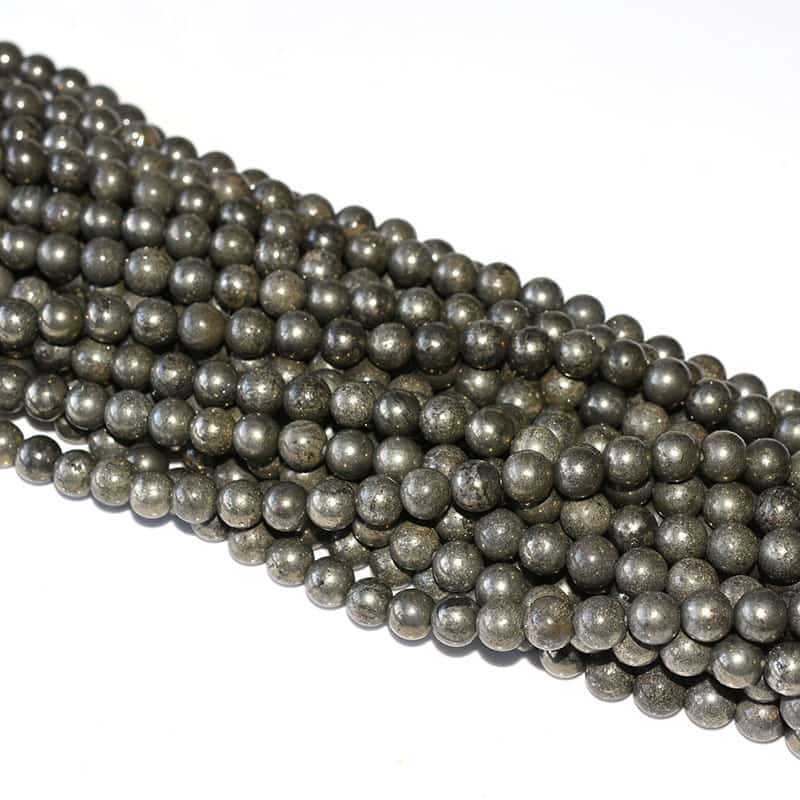
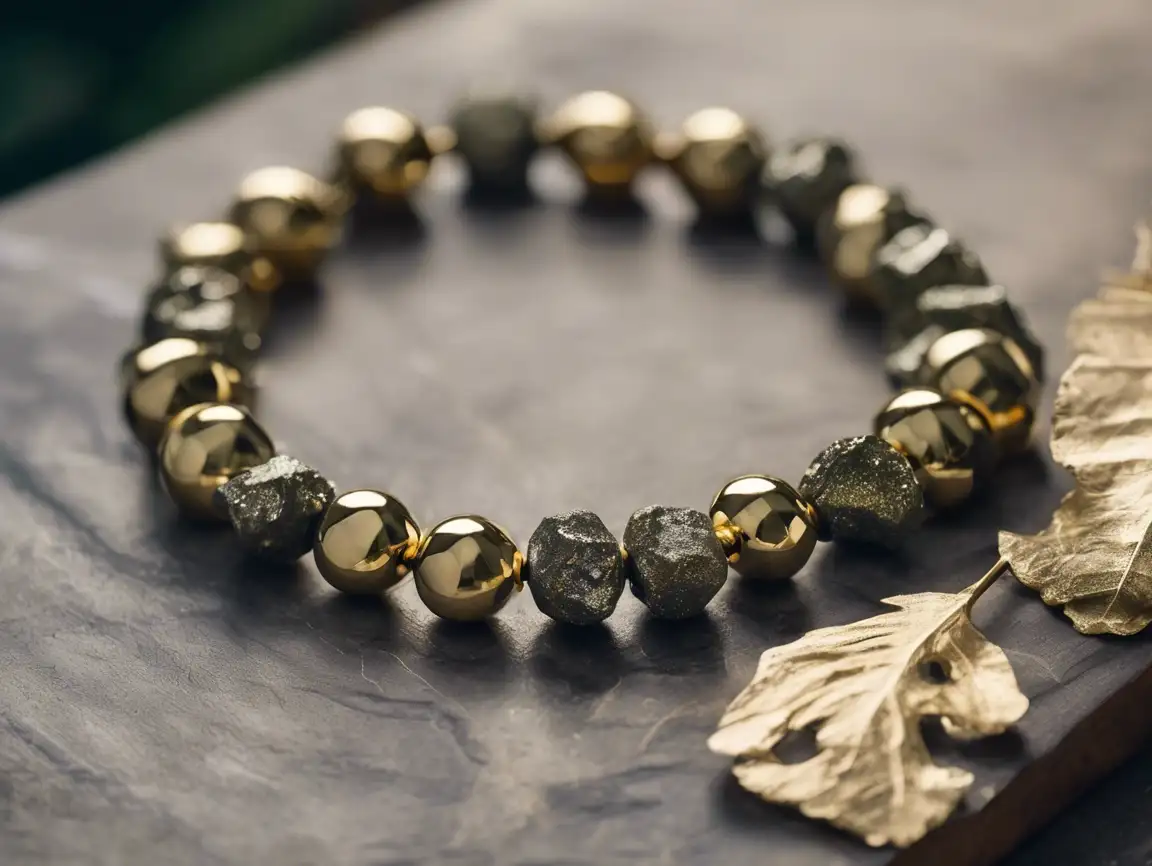
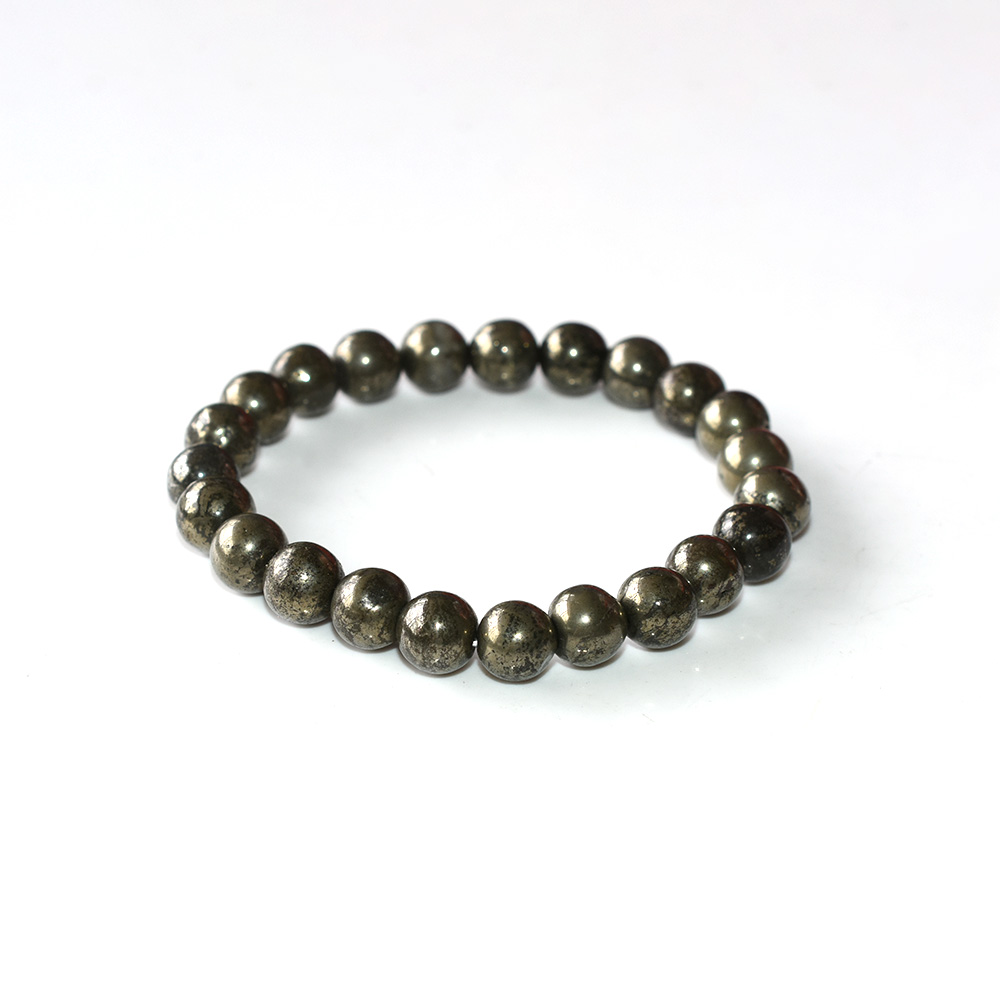
Pyrite bracelets are one of the easiest formats to sell because customers get the “gold look” in a wearable, giftable item—often at a lower entry price than rings. From a buyer standpoint, the most practical Pyrite Stone Benefits show up when the bracelet is comfortable enough for daily wear and consistent enough to look great in product photos.
What “consistent” means in real listings: uniform bead size, clean metallic luster, and minimal chipping. These small details are what customers notice first—and what reduces returns.
Shoppers may also ask about left vs. right hand. You can present this gently as preference—some wear it on the right hand during work hours, while others choose the left for a calmer symbolism. The key is to keep claims light and focus on routines that help buyers feel the Pyrite Stone Benefits in daily life.
While “direction” is usually discussed for home placement, some customers apply the same idea to jewelry habits. If they ask “which direction” while shopping a bracelet, redirect them to a clearer rule: wear it where it supports your routine—work, meetings, or finance tasks—so the Pyrite Stone Benefits stay tied to repeatable daily use.
Pyrite ring: durability, settings, and best fingers (buyer intent)
A pyrite ring is a strong “statement” product, but it needs more careful selection than bracelets. Pyrite can be brittle around the edges, so the setting matters—look for bezel styles or protective prongs that reduce direct knocks, especially for customers who use their hands a lot. This is where the most sellable Pyrite Stone Benefits show up: the ring still looks premium after real-life wear.
When shoppers search Pyrite stone benefits ring, they usually want two things at once: the confidence/prosperity symbolism and a ring that photographs well. You can answer “which finger” without overpromising—some pick the index finger for a leadership feel, while others choose the ring finger as a personal reminder of stability.
Because rings touch skin all day, comfort and materials matter. Pyrite itself usually isn’t the main irritation trigger; the setting metal (nickel content, low-quality plating, or rough edges) is more likely to bother sensitive skin. Choosing hypoallergenic metals can reduce complaints and protect Pyrite Stone Benefits as a better wearing experience.
Also watch for surface coatings: extra-shiny pieces may look great at first but can wear unevenly and leave residue. Keep expectations clear with one simple care note—keep it dry, avoid lotions/perfume on contact areas, and wipe gently after wear—so Pyrite Stone Benefits stay tied to appearance and customer satisfaction.
Side Effects and Safety: What to Watch For
“Side effects” people report (skin, overstimulation, dust)
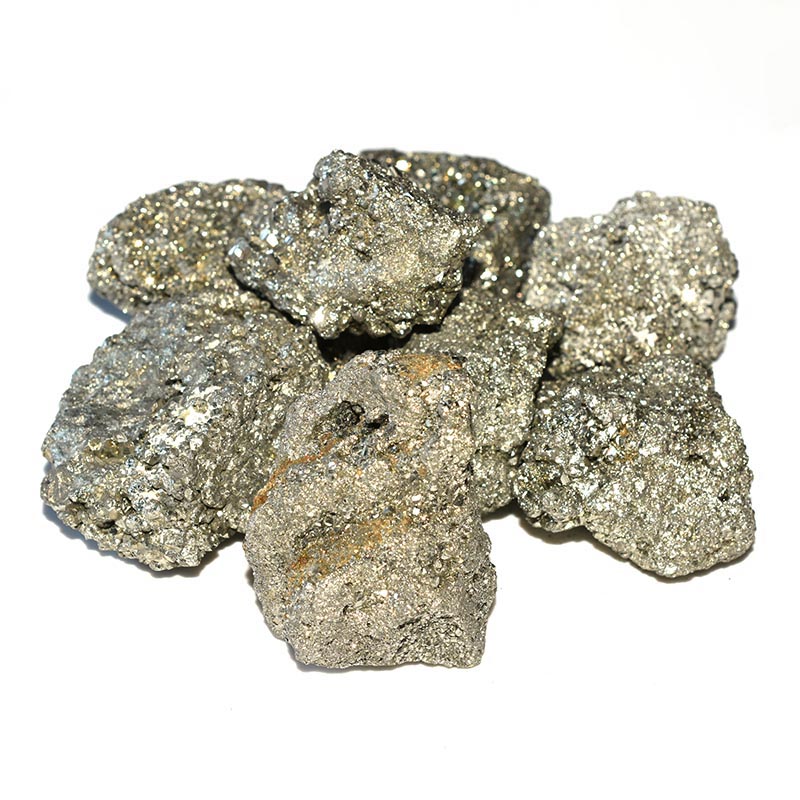
When shoppers look up Pyrite stone benefits and side effects, they’re usually asking about comfort and daily handling—not medical issues. Some people feel “overstimulated” by energizing stones, so they may prefer shorter wear times at first, especially during stressful weeks or before sleep. With rough pieces, a more common concern is practical: sharp edges or fine mineral dust that can irritate skin if handled heavily.
For jewelry, irritation is more often caused by the metal setting (nickel, low-quality plating) than the stone itself. A simple rule that reduces problems is: keep pyrite dry, avoid lotions and perfume on contact areas, and wipe it gently after wear. If you’re buying for kids or pets, choose larger display pieces and store them safely. Used with basic care, Pyrite Stone Benefits stay focused on appearance, symbolism, and customer experience.
Kids, pets, and handling (simple, practical cautions)
For families, the safest way to enjoy Pyrite stone benefits how to use is to treat pyrite like any other decorative mineral: admire it, display it, and handle it with care. Keep small stones and loose beads away from young children and pets to prevent choking. If you sell rough pyrite or clusters, remind customers that edges can be sharp—placing pieces on a stable tray or shelf helps avoid drops and chips. For jewelry, recommend removing pyrite before swimming, showering, or heavy workouts, since moisture and sweat can dull the metallic luster over time. A short care card in the package can prevent most issues and reduce returns while keeping the experience simple and positive.
Care: How to Clean and Charge Pyrite Without Damaging It
Keep it dry (why water is a problem)
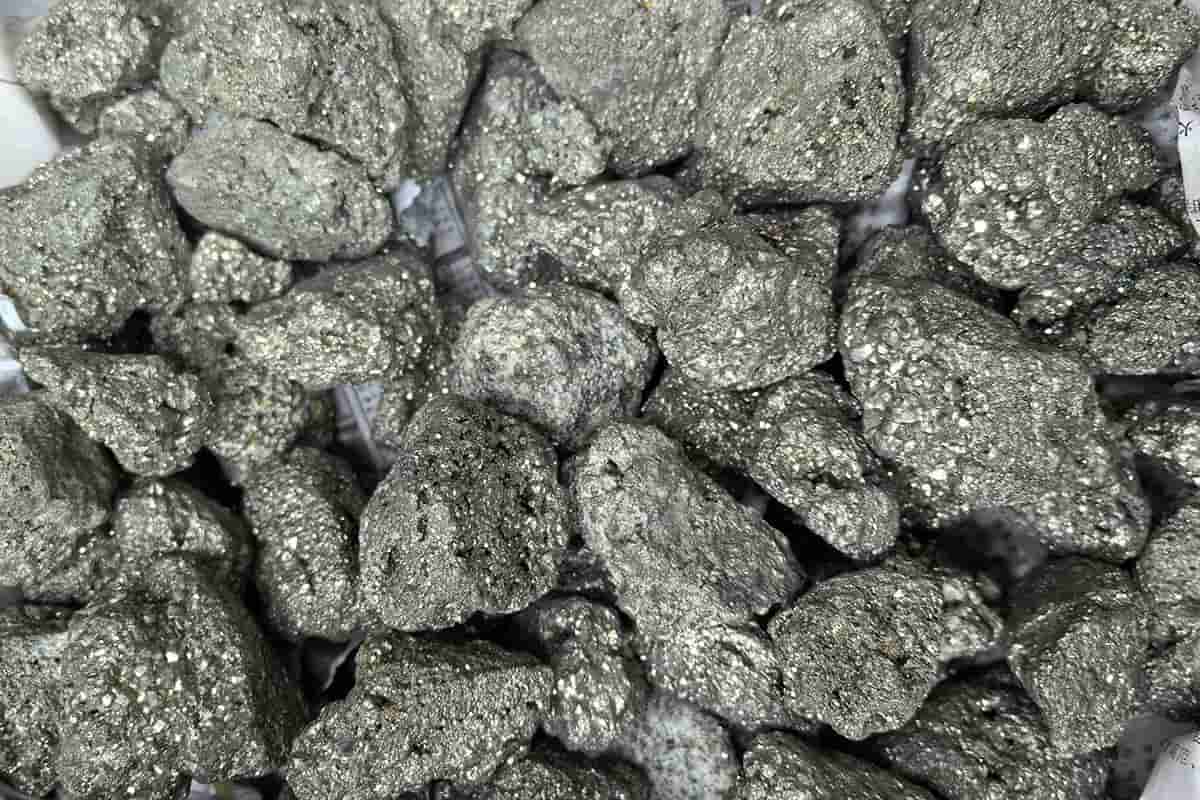
The most important care rule—especially for anyone learning Pyrite stone benefits how to use—is to keep pyrite dry. Because pyrite contains iron, repeated exposure to water, humidity, or harsh chemicals can dull the shine and speed up oxidation. That’s why some “cleansing” tips online (like rinsing or soaking) can backfire for long-term appearance, particularly for jewelry and high-luster display pieces.
Instead, treat pyrite like a metallic mineral you want to preserve: store it in a dry place, keep it away from bathrooms and wet countertops, and separate pieces so edges don’t scratch each other. For bracelets and rings, remove them before showering, swimming, or applying lotion and perfume. With basic handling, Pyrite Stone Benefits stay tied to what customers actually see and enjoy—its bright, golden look and its role as a daily focus symbol.
Safe cleansing methods (smoke, sound, dry salt bowl)
If customers ask Pyrite stone benefits how to use for cleansing or “resetting” the stone’s feel, stick to dry, low-risk methods that won’t damage the surface. Smoke cleansing is popular: pass pyrite briefly through incense or sage smoke, then wipe it with a soft, dry cloth. Sound is another safe option—use a singing bowl, bell, or simple chime nearby for a minute or two.
For buyers who like salt, avoid saltwater. A safer approach is to place pyrite next to a bowl of dry salt (or rest it on a clean dish above the salt) for a few hours, then wipe it gently. You can also use other “dry” pairings like placing it near clear quartz or selenite. These methods keep the metallic luster intact while still meeting what crystal customers expect from care rituals—supporting Pyrite Stone Benefits without creating avoidable damage.
Charging routines customers like (moonlight/earth, but practical)
For “charging,” keep it practical and low-maintenance—especially when explaining Pyrite stone benefits how to use to new buyers. Many customers like moonlight simply because it’s gentle and doesn’t involve moisture: place pyrite on a dry windowsill overnight, then wipe it with a soft cloth in the morning. Another option is an “earth recharge” that avoids mess: set the stone on a dry tray of soil (or keep it in a breathable pouch and rest it on soil) for 12–24 hours.
If you’re selling jewelry, the best charging routine is often the simplest: store it dry, away from humidity, and “reset” it by wiping and setting an intention before wear. This keeps pyrite looking its best and supports Pyrite Stone Benefits as a consistent daily reminder.
Real vs Fake + Wholesale Quality Control
Quick authenticity checks (streak, magnet, crystal habit)
If buyers ask how to test original pyrite stone, start with checks that are easy to explain and hard to fake. First, look for natural crystal habits: pyrite often forms crisp cubes, striated faces, or chunky clusters—not perfectly uniform “glitter” like some coated imitations. Second, consider weight and temperature: genuine pyrite usually feels cool and relatively heavy for its size compared with plastic or resin lookalikes.
A basic streak test can be helpful for serious collectors: rubbed on unglazed ceramic, pyrite leaves a darker, greenish-black streak. Magnet checks are also common—pyrite is generally not strongly magnetic, so a stone that snaps to a magnet may be something else. For wholesale orders, the most practical safeguard is to request clear, close-up photos/videos under neutral light and confirm the form (cubes, clusters, beads, or jewelry) before you place a bulk purchase. That’s how Pyrite Stone Benefits stay tied to real, sellable quality.
Common market issues (coatings, composites, inconsistent lots)
In the market, “fake” doesn’t always mean fully synthetic—it can also mean heavily treated, mixed, or inconsistent material. One common issue is surface coatings that make pieces look extra bright at first but wear unevenly, especially on beads and bracelets. Another is mixed lots where color, luster, and edge quality vary so much that product photos don’t match what customers receive. These problems affect resale performance and returns far more than spiritual claims.
From a buyer’s perspective, pyrite stone price is often a clue: lots that are dramatically cheaper than market norms may have higher chipping rates, duller luster, or inconsistent sorting. For jewelry, confirm bead size tolerance (e.g., 8mm truly matched), hole quality, and whether there’s any visible coating. For décor pieces, ask about oxidation risk and packing method. Choosing stable, consistent material protects your margins and preserves the gold luster and consistency customers expect.
Wholesale QC Checklist (Before Bulk Shipping)
- Consistency: match luster and brassy tone across the lot; separate grades by form (cubes/clusters/beads).
- Damage risk: check edge chipping (especially cubes and ring stones) and remove high-risk pieces from retail-grade lots.
- Surface concerns: watch for overly glittery/coated-looking finishes that may wear unevenly.
- Moisture control: store and pack dry to reduce oxidation risk during transit and warehousing.
- Beads & bracelets: confirm bead size tolerance (8mm/10mm), drill-hole alignment, and smooth holes.
- Proof on request: batch photos + short video pan under neutral light + packing confirmation.
Industry experience: how we inspect pyrite for bulk orders (QC)
In our wholesale workflow, we treat pyrite like a “high-impact, high-scrape-risk” item—beautiful on display, but easy to disappoint customers if the lot isn’t consistent. Before we ship, we first sort by form and use case: cubes and clusters for décor, tumbled pieces for gift sets, and beads for bracelet lines. For beads, we check size consistency (like 8mm or 10mm tolerance), drill holes, and whether the surface looks naturally metallic or appears coated.
Next, we spot-check for issues that create returns: edge chipping, powdery residue from rough surfaces, and early signs of oxidation (dull patches that can worsen in humidity). For rings, we recommend protective settings because even a great-looking stone can chip if it’s exposed on the edges. For buyers who want an original test style reassurance, we can provide close-up videos under neutral light and simple checks (crystal habit, weight feel, and streak guidance).
Finally, we pack pyrite dry and stable—separated to prevent rubbing, with cushioning and moisture control—so the “gold luster” arrives as photographed. That’s how we protect Pyrite Stone Benefits as a sellable, repeatable product experience.
Pyrite Stone Price and a Simple Wholesale Ordering Checklist
What drives price (form, size, luster, matching, loss rate)
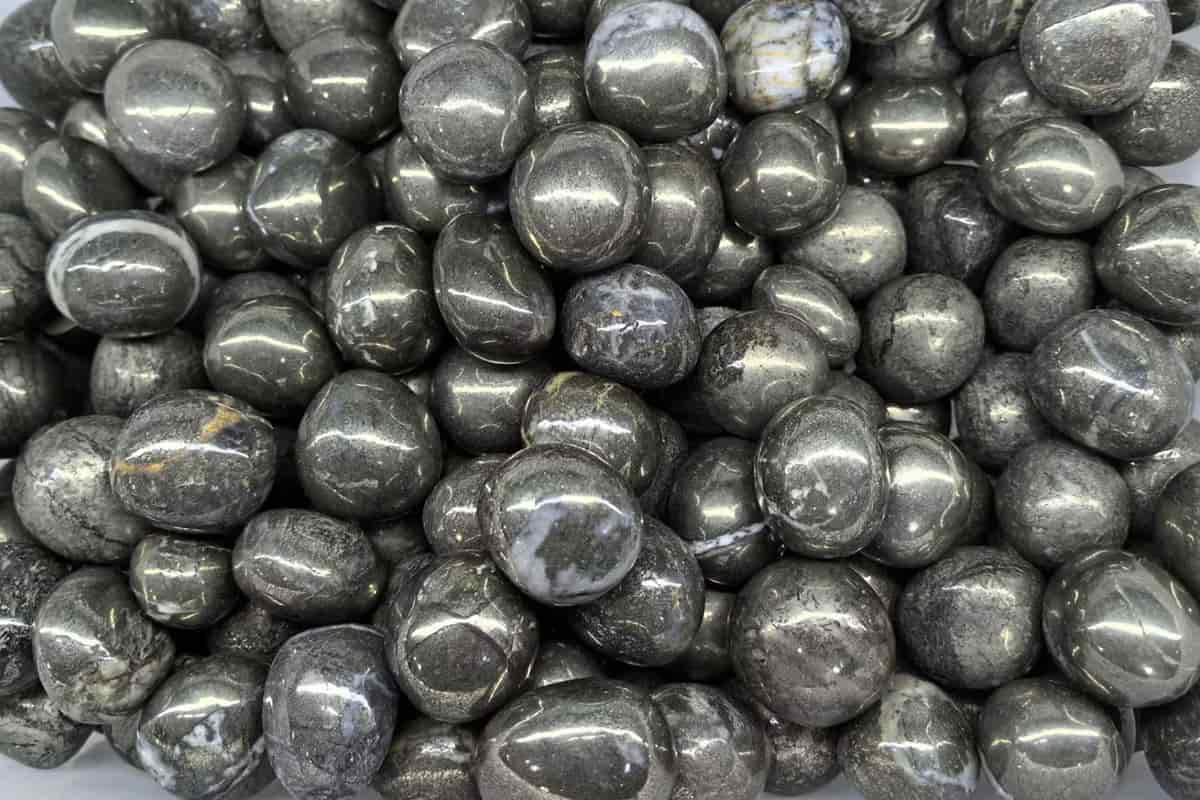
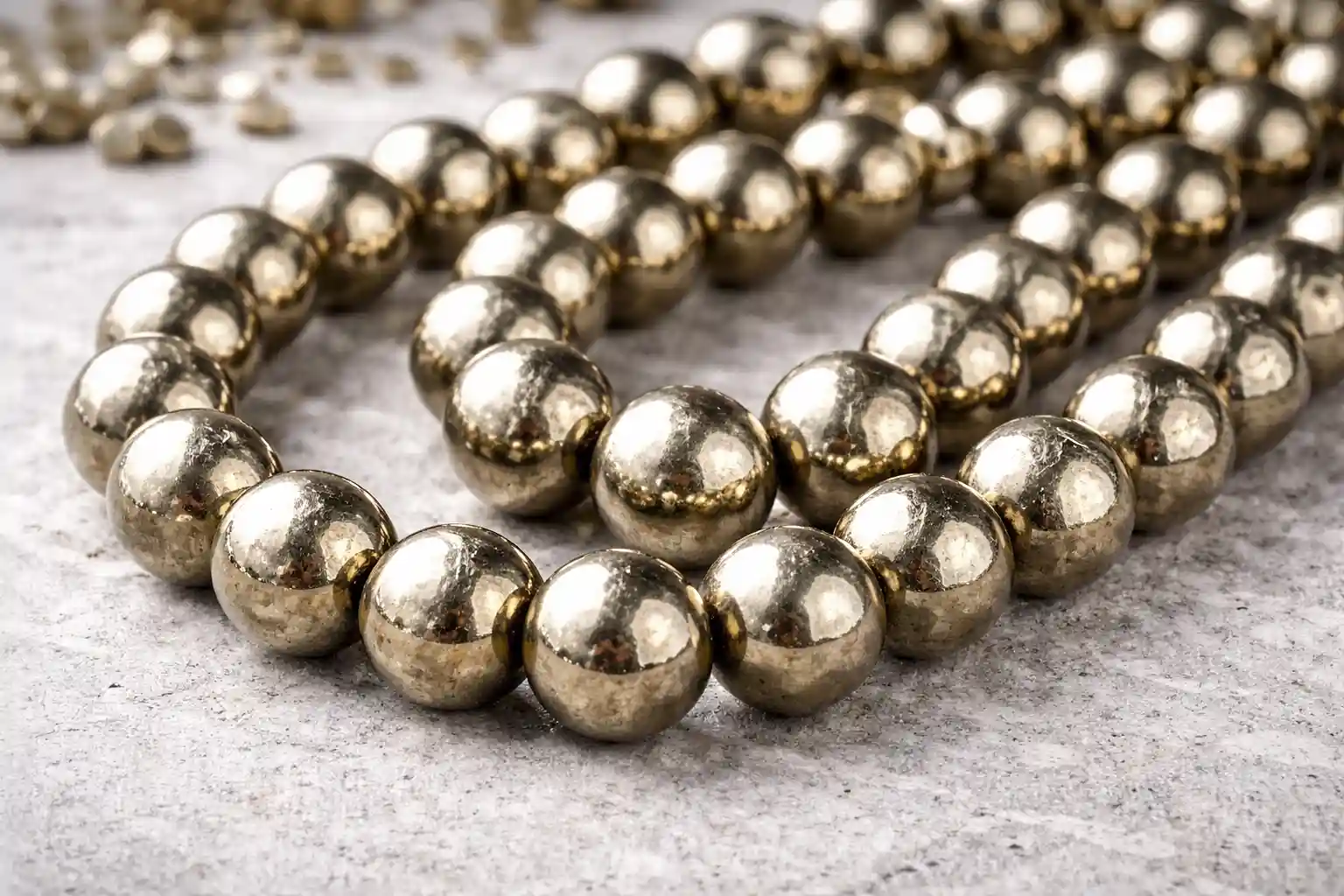
When buyers ask about pyrite stone price, the biggest driver is the product form and how “photo-ready” the lot is. Natural cubes with crisp edges, clean faces, and consistent brassy tone usually cost more than rough chunks, because supply is tighter and sorting standards are higher. Clusters are priced by size, luster, and how intact the points and edges are.
Tumbled pieces can be more budget-friendly, but uniformity still matters if you’re building gift sets. For jewelry components, beads and finished bracelets are priced by bead size consistency (8mm/10mm), hole quality, surface finish (natural metallic vs. coated), and matching across strands—because matching reduces complaints but increases sorting time and waste. These quality factors also shape what customers experience as Pyrite Stone Benefits in real life: shine, consistency, and wearability.
A practical way to judge Pyrite Stone Benefits for resale is to link price to your expected loss rate: how many pieces might chip, arrive dull, or need re-sorting. Before ordering, confirm: exact size range, finish (natural or treated), packing method (separated + cushioned), and moisture control. That’s how you keep the “gold look” consistent and protect Pyrite Stone Benefits as something customers will reorder.
Industry experience: buying tips (MOQ, packing, shipping, returns)
For bulk orders, the fastest way to avoid surprises is to treat pyrite as both a “beauty item” and a “care-sensitive mineral.” Start with a small trial order if you’re launching a new SKU, then scale once you confirm luster consistency and breakage rate. When comparing pyrite stone price across suppliers, ask what’s included: sorting/matching, protective packing, and moisture control. Those details often matter more than a small per-piece discount.
Packing is where many returns begin. We recommend separating pieces to prevent rubbing, using cushioning for corners/edges, and adding a dry pack (like desiccant) to reduce humidity exposure in transit. For beads and bracelets, confirm bead tolerance and ask for a quick video pan of multiple strands, not just one “best” sample. For customer-facing pages, keep claims realistic—many shoppers search Pyrite stone benefits and side effects because they worry about tarnish, moisture, or sensitive skin. A simple care card (“keep dry, avoid chemicals, wipe after wear”) reduces refunds and protects Pyrite Stone Benefits as a reliable product experience.
Dry & Anti-Chip Packing SOP (Bulk Orders)
- Separate pieces to prevent rubbing (especially cubes and clusters).
- Add cushioning for corners/edges (foam + void fill).
- Include a dry pack (desiccant) to reduce humidity exposure in transit.
- Reinforce outer cartons for drop-risk routes.
- Add a simple “Keep Dry” care note to reduce returns.
FAQ
What are the most common Pyrite stone benefits and side effects people mention?
Most “benefits” people describe are symbolic and lifestyle-based—using pyrite as a reminder for confidence, focus, and a prosperity mindset. The “side effects” are usually practical: dulling or oxidation if it’s exposed to moisture, chipping on sharp edges, or discomfort if a ring setting/metal irritates sensitive skin. If you handle rough pieces often, wash hands afterward to avoid fine dust. Keep pyrite dry, avoid harsh chemicals, and store it separately to help it stay bright and wearable.
What do people mean by the spiritual benefits of pyrite?
Many crystal buyers describe pyrite as a “confidence and protection” symbol. They use it during intention-setting, meditation, or stressful workdays as a reminder to stay grounded and proactive. It’s best to frame this as personal meaning rather than guaranteed outcomes. If you’re selling it, a simple product card that explains common symbolism (focus, motivation, boundaries) plus clear care tips tends to resonate well.
Pyrite stone benefits how to use—what’s the simplest routine?
Start with one use case: desk, jewelry, or décor. Keep a piece by your workspace or wear a bracelet during work hours. Set one clear goal, touch the stone, and take one concrete action—then repeat daily. That’s a practical way to experience Pyrite Stone Benefits as a focus cue. For care, keep it dry and wipe gently after handling or wear.
Pyrite stone benefits which direction should I place it?
In Feng Shui, many people choose the southeast “wealth corner.” In other traditions like Vastu, some prefer the north. If you don’t follow a system, pick a high-visibility spot where you’ll actually engage with it—desk, register area, or entryway. The habit matters more than the compass. Used this way, Pyrite Stone Benefits stay tied to daily focus and motivation.
Why are pyrite bracelets so popular?
They deliver the metallic “gold look” in an easy-to-wear format, and they’re gift-friendly. Buyers often choose bracelets for daily routines because they’re simple: put it on, stay mindful, and care for it by keeping it dry. For fewer issues, choose bracelets with consistent bead size, clean luster, and comfortable, hypoallergenic setting materials.
Are pyrite rings durable for everyday wear?
They can be, but the setting matters. Pyrite can chip on exposed edges, so protective settings (bezel or sturdy prongs) are better for daily wear. Remove the ring before water exposure, heavy workouts, or harsh chemicals. If you want lower-maintenance daily wear, many buyers choose bracelets or pendants instead of rings.
What affects pyrite stone price the most?
Form and consistency. Clean natural cubes and high-luster clusters usually cost more than rough pieces. Beads and bracelets cost more when bead sizes match tightly and the finish is consistent across strands. Packing and loss rate also influence pricing—better separation, cushioning, and moisture control reduce damage and returns, which matters for wholesale buyers.
Can I use pyrite if I’m Muslim, or if I follow astrology (like Leo)?
Many people keep pyrite as a natural mineral for décor, gifting, or personal symbolism, but religious views can vary—so it’s best to avoid treating it as a source of guaranteed outcomes. In astrology content, pyrite is often linked with confidence and motivation, and it’s frequently recommended for Leo as a symbolic “solar” stone. If any framing feels uncomfortable, choose a purely decorative use and focus on care and craftsmanship.
Conclusion: Final Thoughts
Pyrite Stone Benefits are popular with buyers because pyrite is visually striking, easy to merchandize, and flexible across use cases—desk pieces, gift sets, and jewelry. If you keep expectations realistic and care simple (keep it dry, avoid harsh chemicals, store separately), customers tend to love the “gold luster” and the everyday motivation story that comes with it. If you’re buying for resale, focus on consistency, finish, and packing quality—those details matter as much as pyrite stone price. For wholesale photos/videos, MOQ, and a fast quote, reach out on WhatsApp or submit the inquiry form.
About our wholesale supply
We specialize in bulk pyrite formats for resale—cubes, clusters, tumbled stones, bead strands, bracelets, and ring-ready pieces—supported by pre-shipment QC, dry packing, and batch photos/videos available on request.
References (Selected Sources)
- Encyclopaedia Britannica — Pyrite overview (name origin, “Fool’s Gold”) Encyclopedia Britannica
- Geology.com — Composition, luster, occurrence geology.com
- Handbook of Mineralogy (PDF) — hardness/streak/luster reference data handbookofmineralogy.org
- USGS — experimental oxidation of pyrite and sulfate formation pubs.usgs.gov
- Springer study — experimental pyrite oxidation under different water exposure Springer